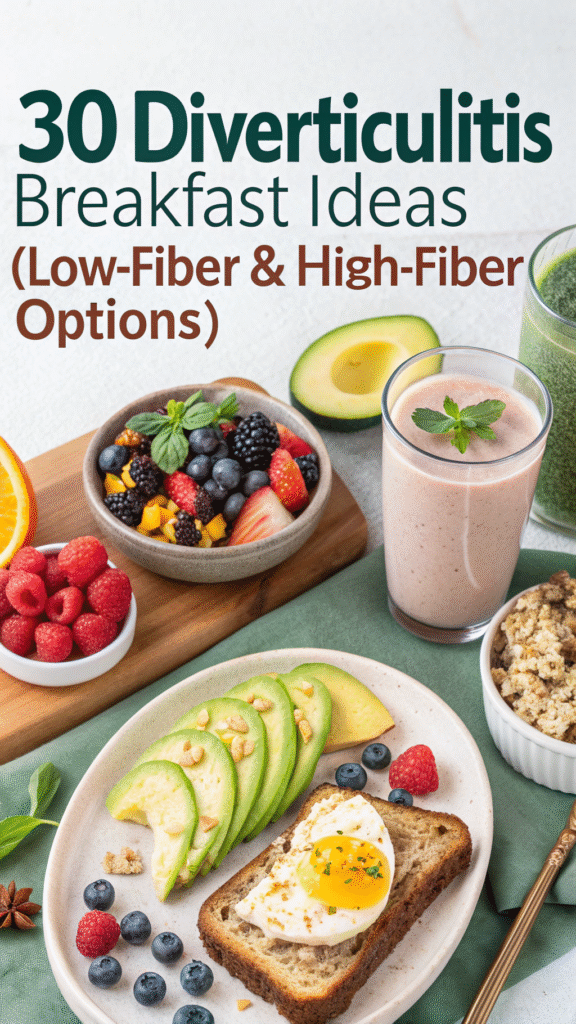
I was staring into my fridge at 7 AM during my first diverticulitis flare-up.
My doctor said “eat low-fiber foods.” But what does that mean for breakfast?
My usual breakfast was whole grain toast with peanut butter and a banana. All the things I couldn’t eat right now.
I had eggs. White bread. Some yogurt. That was it.
I ate scrambled eggs on white toast for five days straight. By day six, I couldn’t look at another egg.
That’s when I started getting creative. I found 15 different low-fiber breakfasts that actually tasted good.
Then, once I healed, I needed high-fiber breakfasts to prevent future flare-ups. Found 15 of those too.
Now I have 30 breakfast options. Never bored. Never stuck.
Here they all are, organized by what phase you’re in.
Understanding the Two Phases
Phase 1 — Low-Fiber (During Flare-Up): You need under 10 grams of fiber per day. Your colon needs rest. Think soft, easy-to-digest foods.
Phase 2 — High-Fiber (After Healing): You need 25–35 grams per day. Your colon needs bulk to stay healthy. Think whole grains, fruits, vegetables.
Important: Don’t mix phases. Stay in your phase until your doctor says move forward.
15 Low-Fiber Breakfast Ideas (For Active Flare-Ups)
These kept me fed during the worst times.
1. Scrambled Eggs with White Toast
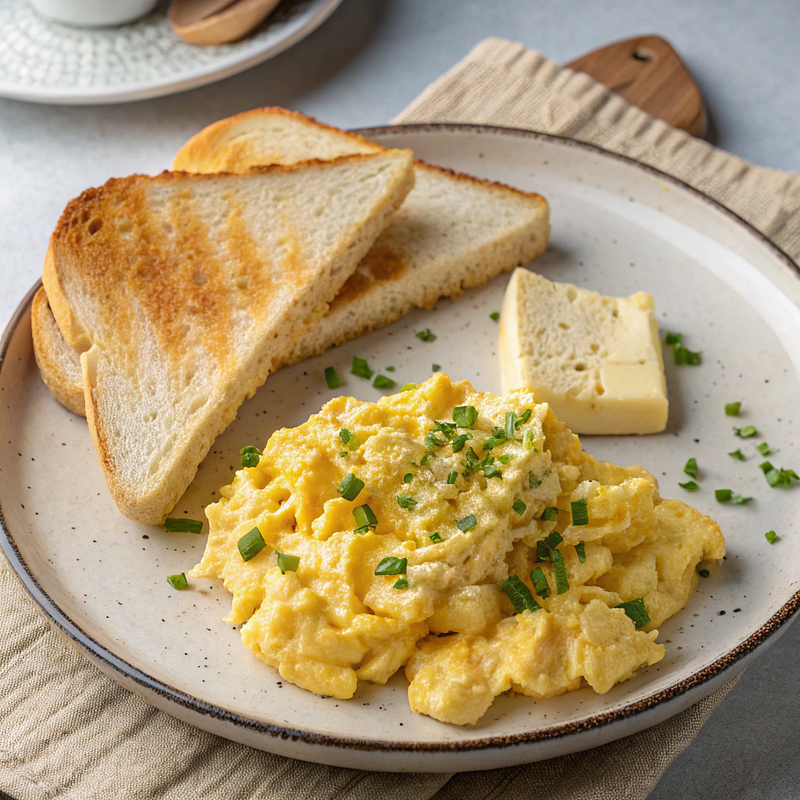
What it is: 2 scrambled eggs, 1 slice white toast with butter.
Fiber: About 1 gram
Why it works: Eggs are easy to digest. White bread is gentle on your stomach.
My tip: Add a little cheese to the eggs for flavor. Cook them soft, not dry.
What to drink: Apple juice or herbal tea
This was my go-to. Simple, filling, takes 5 minutes.
2. Cream of Wheat with Banana
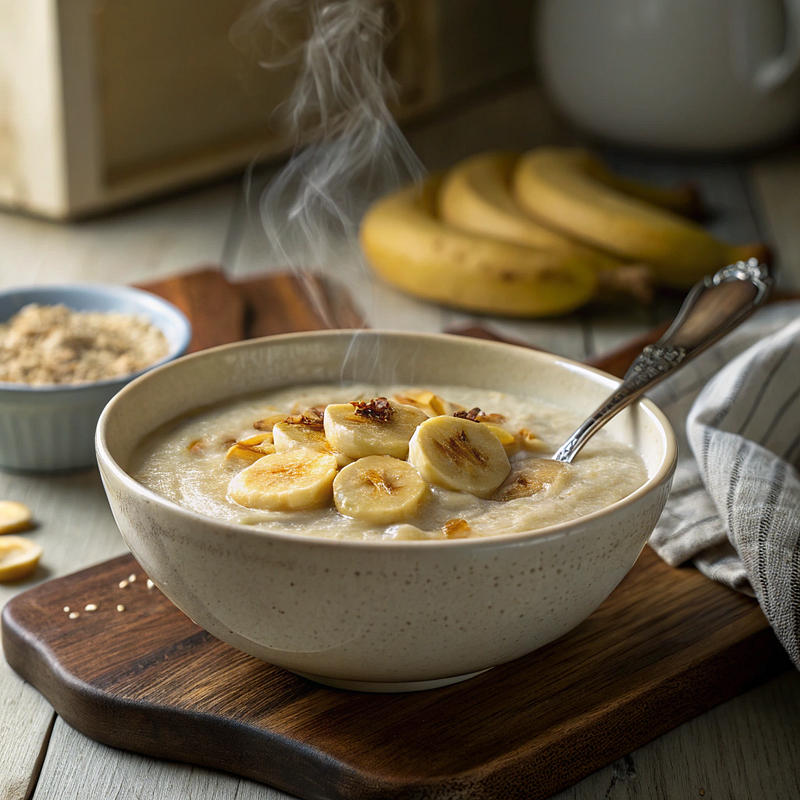
What it is: 1 cup cooked cream of wheat, half a very ripe banana (mashed in).
Fiber: About 2 grams
Why it works: Cream of wheat is super smooth. Ripe bananas are soft and gentle.
My tip: Add a little honey for sweetness. Make sure the banana is really ripe (brown spots are good).
Prep time: 5 minutes
This felt like comfort food when I was miserable.
3. Plain Greek Yogurt with Honey

What it is: 1 cup plain Greek yogurt, 1 tablespoon honey.
Fiber: Less than 1 gram
Why it works: Yogurt is smooth and easy on your stomach. The probiotics may help your gut.
My tip: Make sure it’s PLAIN yogurt with no fruit chunks or granola.
Add-on option: A few saltine crackers on the side
Quick, cold, no cooking required. Perfect for when you don’t feel like cooking.
4. Soft Boiled Eggs with White Rice

What it is: 2 soft boiled eggs, 1/2 cup white rice with butter and salt.
Fiber: About 0.5 grams
Why it works: Both are bland and easy to digest.
My tip: Make the rice a little wet, almost like rice porridge. Easier to eat.
Cultural variation: This is similar to Asian congee but simpler
I discovered this combo by accident. It’s oddly satisfying.
5. Applesauce and Cottage Cheese
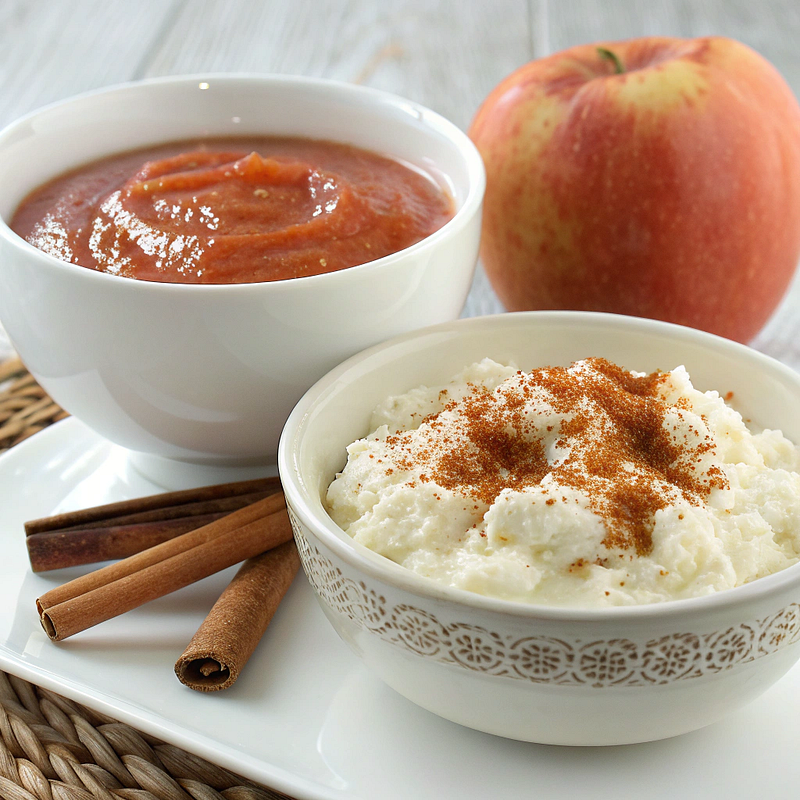
What it is: 1 cup cottage cheese, 1/2 cup unsweetened applesauce mixed in.
Fiber: About 1 gram
Why it works: Both are soft, smooth, and gentle.
My tip: Buy small-curd cottage cheese. It’s smoother than large-curd.
Make it sweet: Add a tiny bit of cinnamon
This was my breakfast on mornings I wanted something cold and refreshing.
6. White Bagel with Cream Cheese
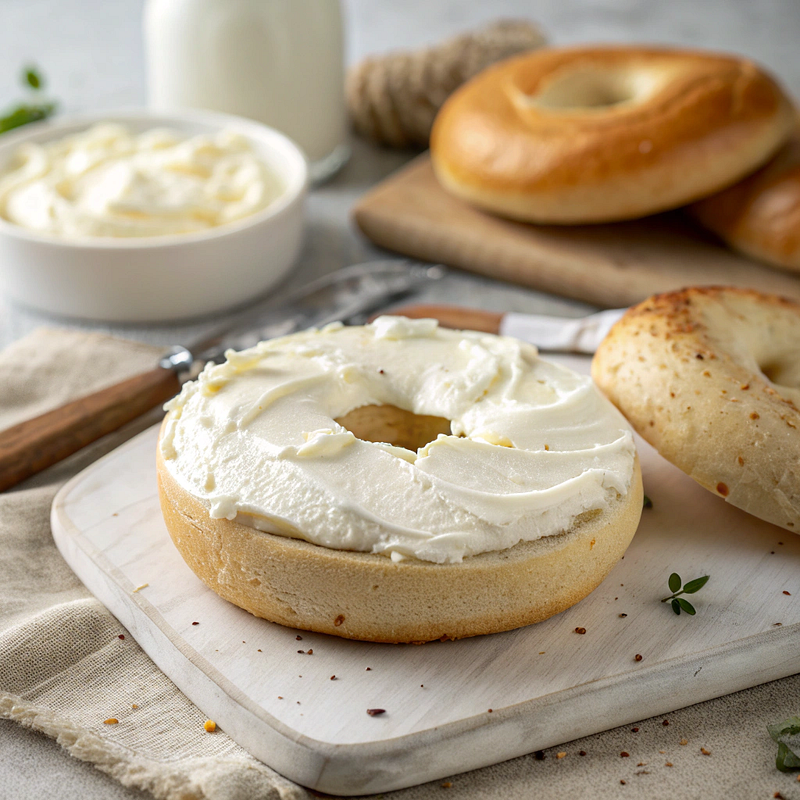
What it is: 1 white bagel (not whole wheat), 2 tablespoons cream cheese.
Fiber: About 1.5 grams
Why it works: Soft, filling, easy to digest.
My tip: Toast it lightly if you want. Don’t toast it hard and crunchy.
Drink pairing: Milk or apple juice
Simple but more substantial than toast.
7. Cornflakes with Milk

What it is: 1 cup cornflakes, 1 cup milk.
Fiber: About 1 gram
Why it works: Cornflakes are low-fiber. They get soft in milk quickly.
My tip: Let them sit in the milk for a minute before eating. Softer is better.
Not recommended: Bran flakes or high-fiber cereals
This felt normal. Like a regular breakfast.
8. French Toast (White Bread)
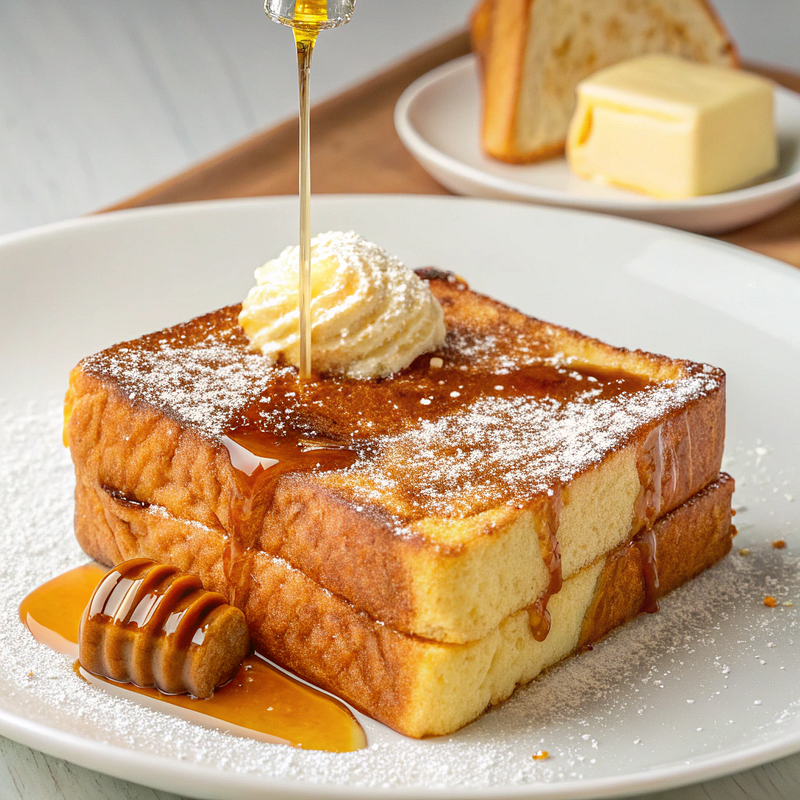
What it is: 2 slices white bread, dipped in egg mixture, cooked in butter.
Fiber: About 1.5 grams
Why it works: The bread gets soft. Easy to digest. Tastes good.
My tip: Use just egg, milk, and a tiny bit of vanilla. Top with a little syrup.
Cooking time: 10 minutes
This was my weekend treat during recovery.
9. Pancakes (Made with White Flour)
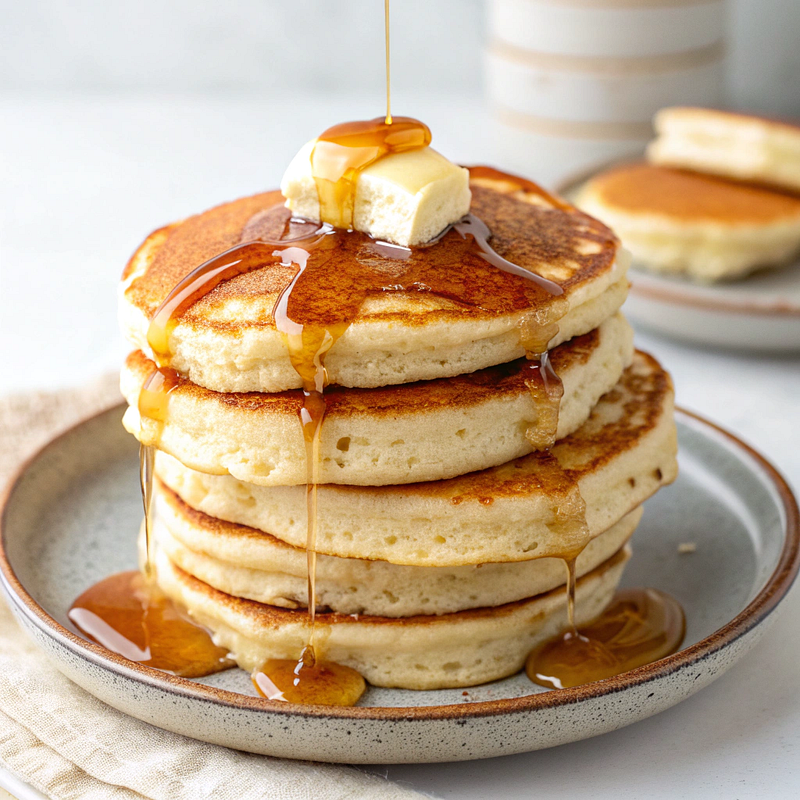
What it is: 2–3 small pancakes made from white flour mix.
Fiber: About 2 grams
Why it works: Soft, fluffy, gentle on your stomach.
My tip: Make them small and thin. Easier to digest than thick pancakes.
Topping options: Butter and a little syrup or honey
I used Bisquick. Quick and easy.
10. Scrambled Tofu
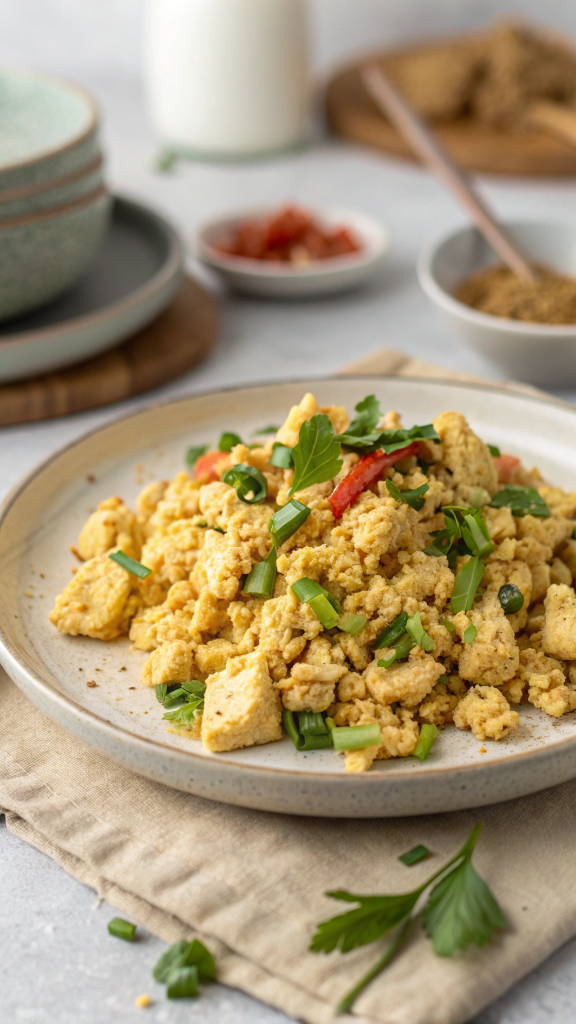
What it is: 1/2 cup crumbled tofu, scrambled like eggs with a little salt.
Fiber: About 1 gram
Why it works: Soft protein that’s easy to digest. Good if you don’t eat eggs.
My tip: Make it really soft, almost creamy. Don’t let it get crispy.
Add flavor: A tiny bit of turmeric makes it look like scrambled eggs
This was my vegetarian alternative to eggs.
11. Cream of Rice Cereal
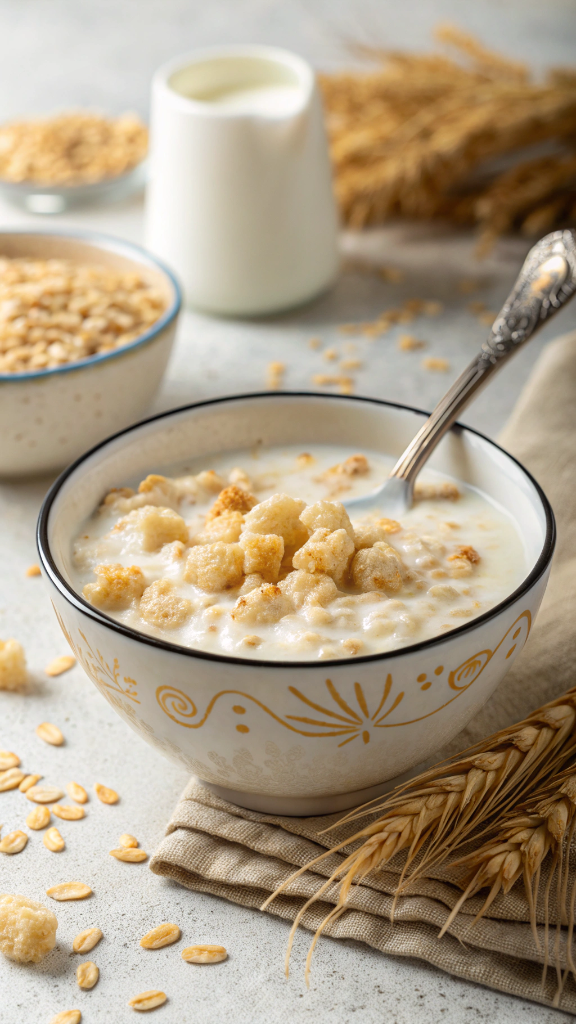
What it is: 1 cup cooked cream of rice, made with milk instead of water.
Fiber: Less than 1 gram
Why it works: Super smooth. Very gentle. Warm and comforting.
My tip: Add a little butter and salt. Makes it taste better.
Sweet option: Add honey or mashed banana
Similar to cream of wheat but rice-based.
12. Canned Peaches with Yogurt

What it is: 1/2 cup canned peaches (drained), 1/2 cup plain yogurt.
Fiber: About 1 gram
Why it works: Canned fruit is soft and easy to digest. Yogurt adds protein.
My tip: Make sure the peaches are in juice or water, not heavy syrup.
Mix it: Stir them together or layer them
Quick, cold, no cooking. Perfect for summer mornings.
13. Poached Eggs on White Toast
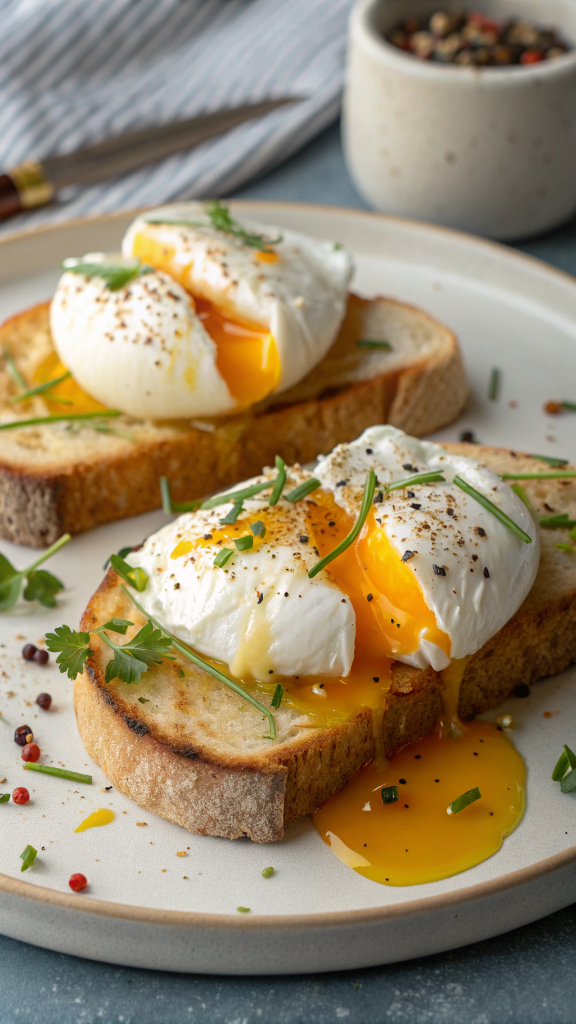
What it is: 2 poached eggs, 1 slice white toast.
Fiber: About 1 gram
Why it works: Runny yolk is very easy to digest. Soft toast soaks it up.
My tip: Make the yolks runny, not hard. The runny yolk is gentler.
Cooking time: 7–8 minutes
This felt fancier than scrambled eggs. Same ingredients, different presentation.
14. Banana Smoothie (No Seeds)
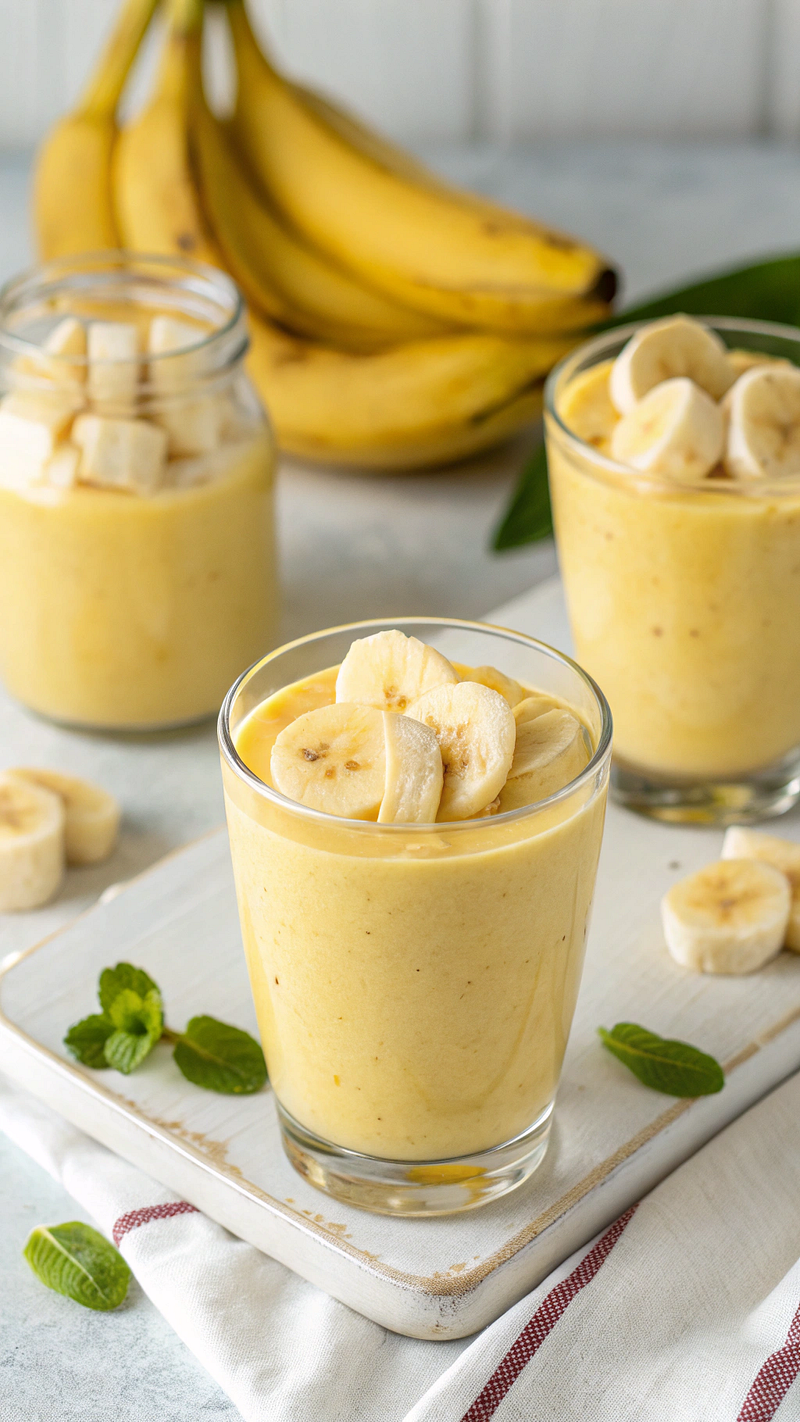
What it is: 1 ripe banana, 1 cup milk, 1/2 cup yogurt, 1 teaspoon honey. Blend.
Fiber: About 2 grams
Why it works: Everything is blended smooth. Easy to digest.
My tip: Make sure the banana is really ripe. Use plain yogurt, not flavored.
Important: No berries during low-fiber phase
This was great on days my stomach felt too sensitive for solid food.
15. Waffles (White Flour) with Butter

What it is: 2 frozen waffles (white flour, not whole grain), butter and syrup.
Fiber: About 1.5 grams
Why it works: Soft, sweet, easy to eat. Toaster makes them quick.
My tip: Don’t toast them too crispy. Softer is better.
Brand suggestion: Eggo Original (not the whole grain ones)
This was my quick breakfast when I was running late.
15 High-Fiber Breakfast Ideas (For Prevention After Healing)
Once I healed, I switched to these to prevent future flare-ups.
16. Oatmeal with Berries and Walnuts
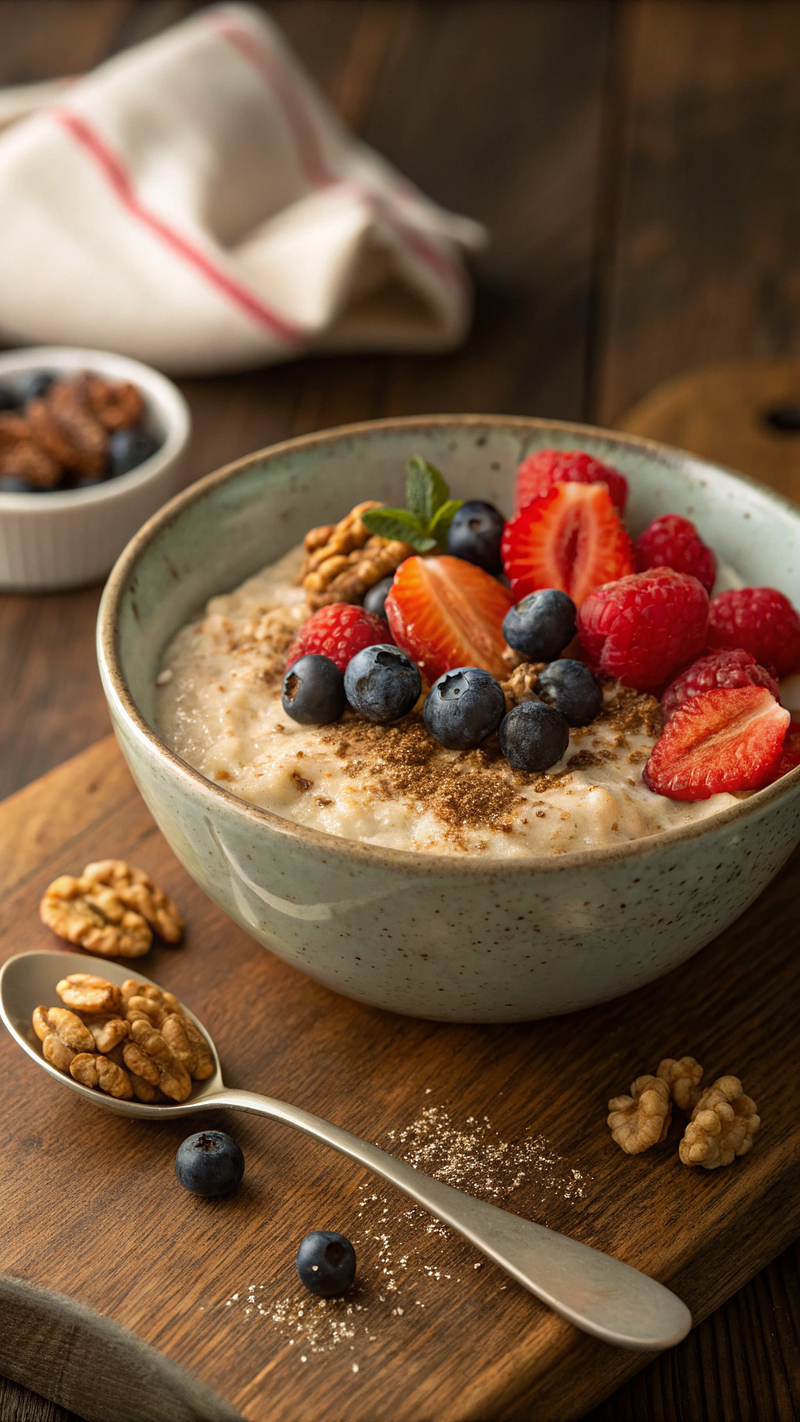
What it is: 1 cup cooked oatmeal, 1/4 cup berries, 2 tablespoons walnuts, 1 tablespoon ground flax.
Fiber: About 10 grams
Why it works: Oats are high-fiber. Berries add more. Nuts add healthy fats.
My tip: Use old-fashioned oats, not instant. Better texture and nutrition.
Make it ahead: Cook big batch on Sunday, reheat during week
This became my daily breakfast. Never gets old.
17. Whole Wheat Toast with Avocado and Eggs
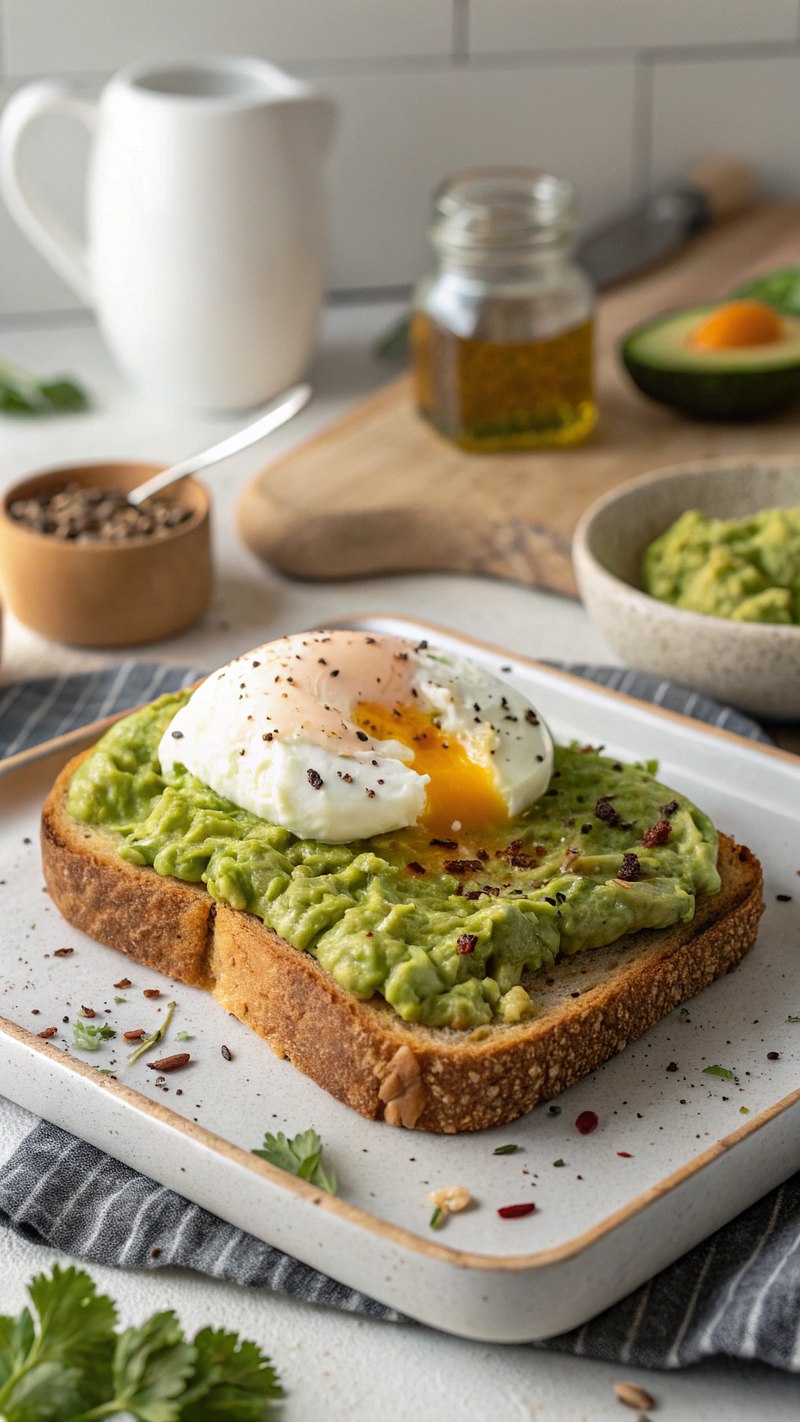
What it is: 2 slices whole wheat toast, 1/2 avocado mashed on top, 2 eggs (fried or poached).
Fiber: About 9 grams
Why it works: Whole wheat has fiber. Avocado has fiber. Eggs add protein.
My tip: Add everything bagel seasoning on the avocado. So good.
Prep time: 10 minutes
This fills me up until lunch. Substantial and satisfying.
18. Smoothie Bowl with Toppings
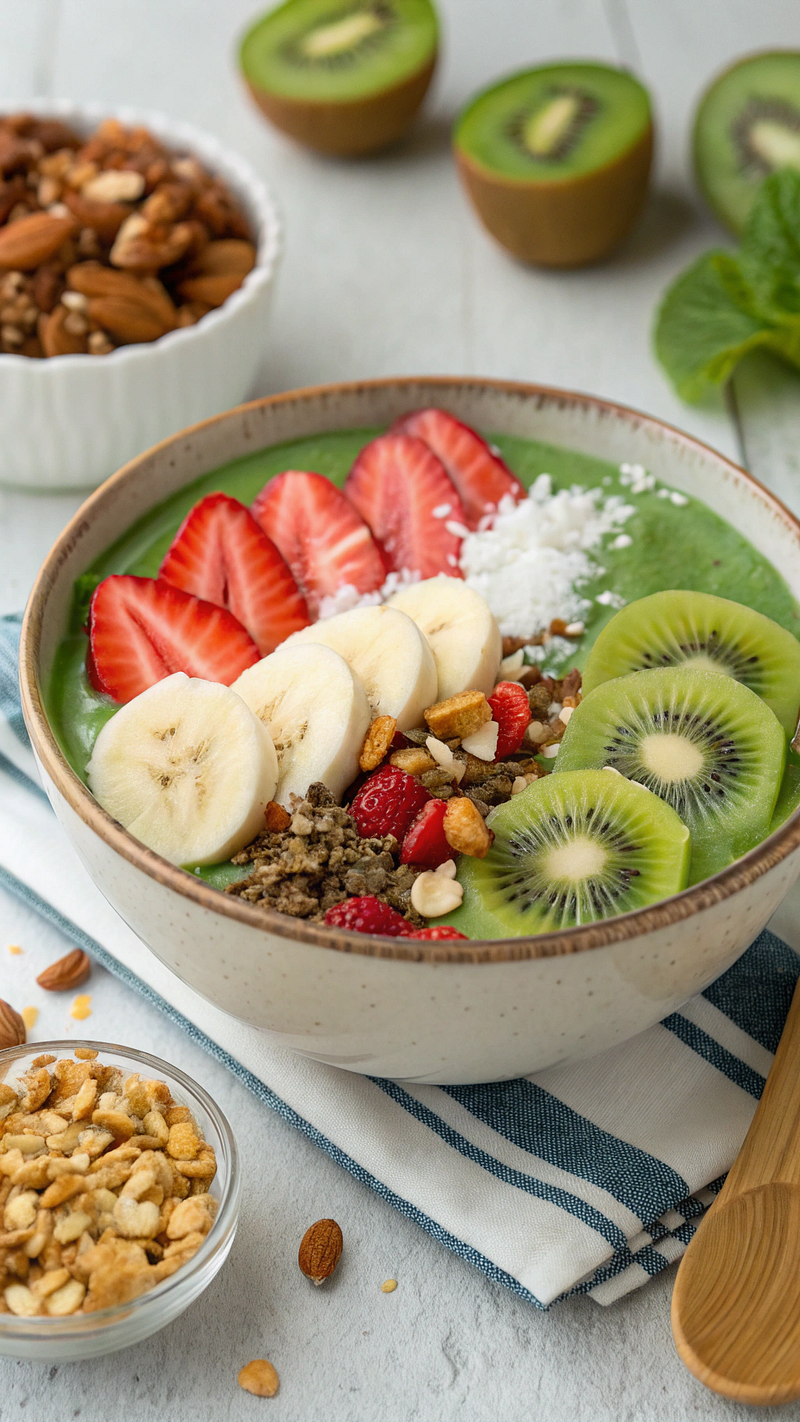
What it is: Blend 1 banana, 1 cup berries, 1/2 cup yogurt, splash of milk. Top with granola, chia seeds, sliced fruit.
Fiber: About 12 grams
Why it works: Packed with fiber from fruit, seeds, and granola.
My tip: Make it thick (use frozen fruit). Eat it with a spoon like ice cream.
Toppings I use: Granola, chia seeds, sliced banana, berries, coconut flakes
This feels like dessert for breakfast.
19. Whole Grain Cereal with Fruit
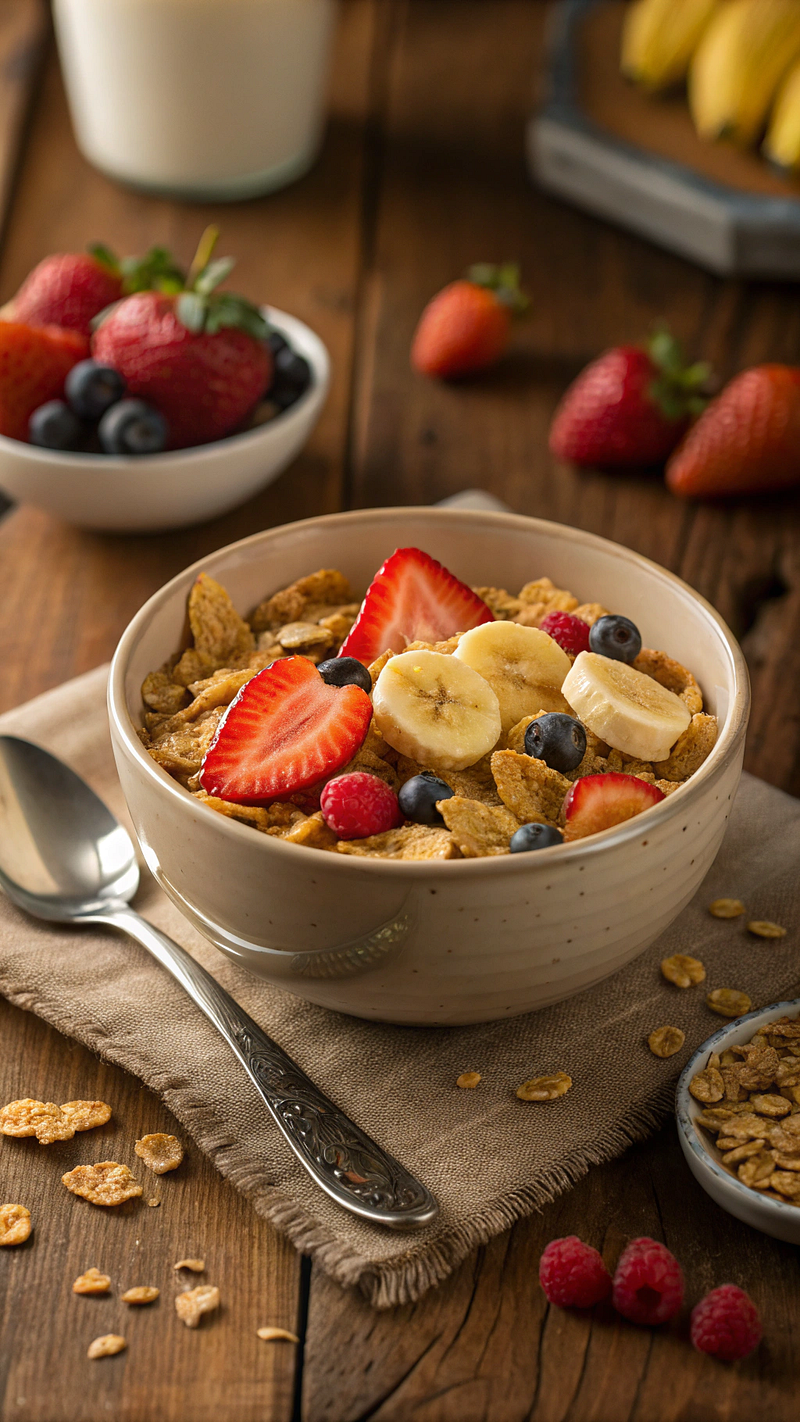
What it is: 1 cup bran flakes or high-fiber cereal, 1 cup milk, 1/2 cup berries.
Fiber: About 8–12 grams (depending on cereal)
Why it works: High-fiber cereals are an easy way to get lots of fiber.
My tip: Read labels. Look for at least 5g fiber per serving.
Good brands: Fiber One, All-Bran, Raisin Bran
Quick, no-cook breakfast. Perfect for busy mornings.
20. Greek Yogurt Parfait with Granola and Berries
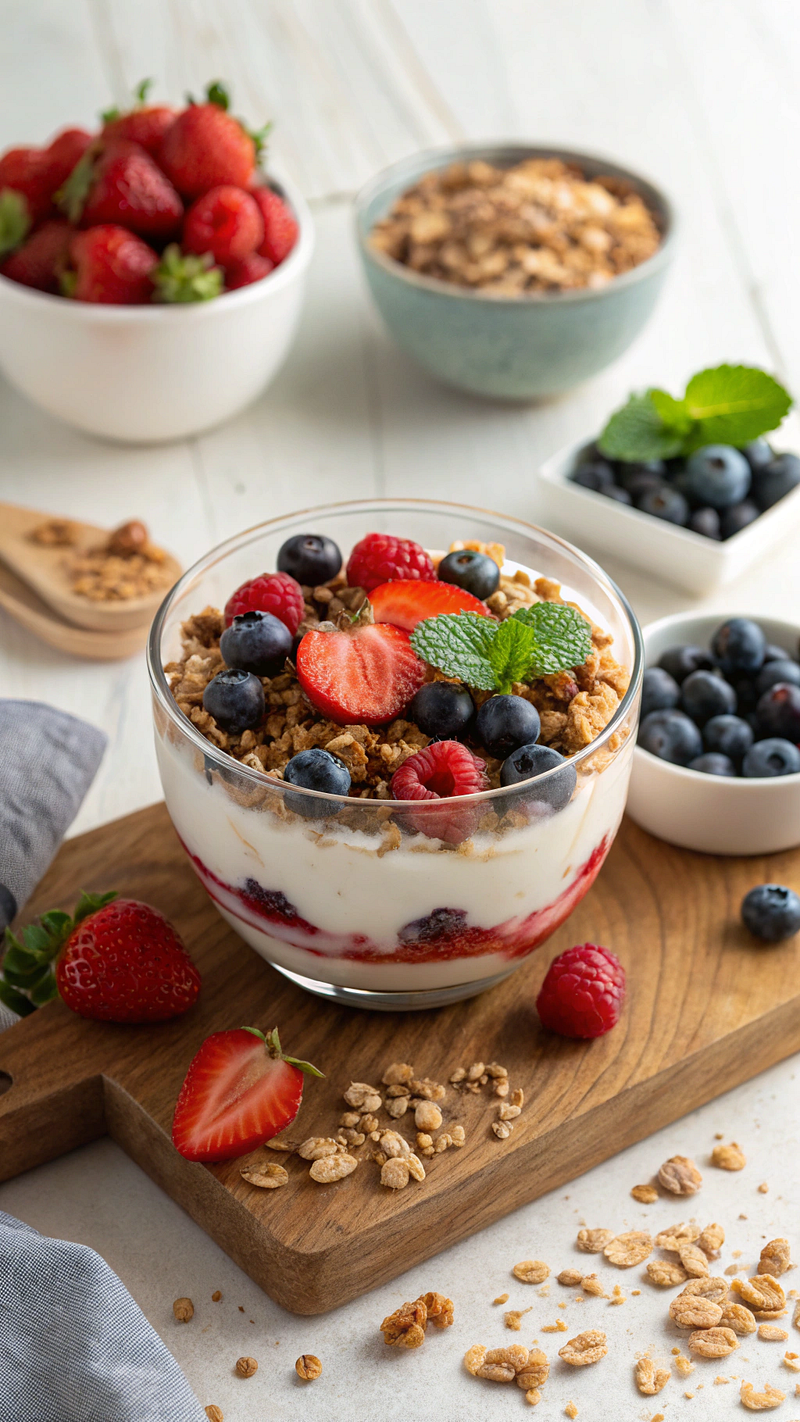
What it is: 1 cup Greek yogurt, 1/2 cup granola, 1/2 cup mixed berries.
Fiber: About 7 grams
Why it works: Yogurt adds protein. Granola and berries add fiber.
My tip: Layer it in a glass. It looks nicer and you eat it slower.
Make ahead: Prep in mason jars for grab-and-go
I make these Sunday night for the week.
21. Whole Wheat Pancakes with Fruit
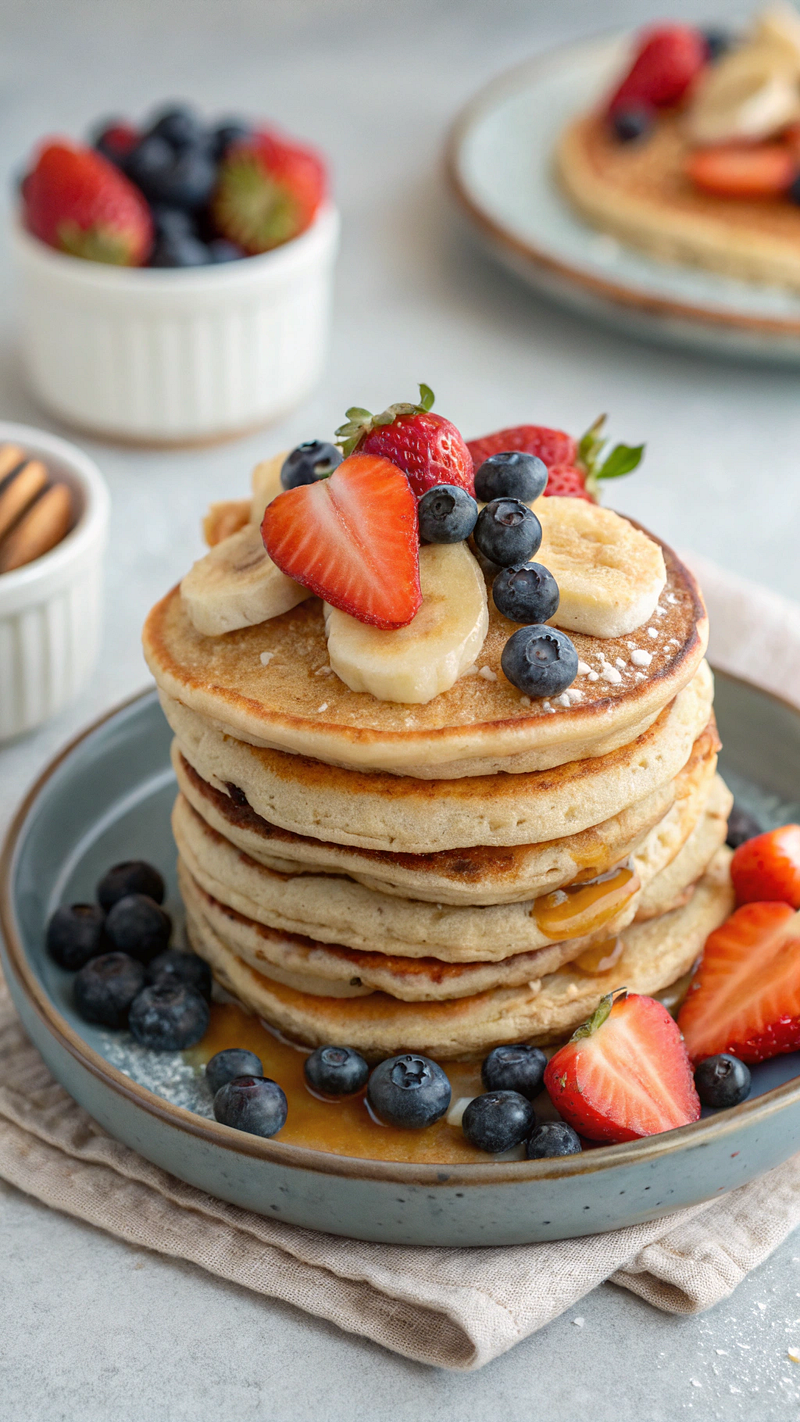
What it is: 2–3 whole wheat pancakes, topped with berries or sliced banana.
Fiber: About 8 grams
Why it works: Whole wheat flour adds fiber. Fruit adds more.
My tip: Add 1 tablespoon ground flax to the batter. Extra fiber and nutrition.
Topping: Skip heavy syrup. Use fresh fruit and a tiny drizzle of honey
Weekend breakfast when I have more time.
22. Veggie Omelet with Whole Wheat Toast

What it is: 3-egg omelet with spinach, tomatoes, bell peppers. 2 slices whole wheat toast.
Fiber: About 7 grams
Why it works: Vegetables add fiber. Eggs add protein. Toast adds whole grains.
My tip: Cook vegetables first until soft. Then add eggs.
Variations: Any vegetables you like work
This is my protein-packed breakfast before workouts.
23. Overnight Oats with Chia Seeds
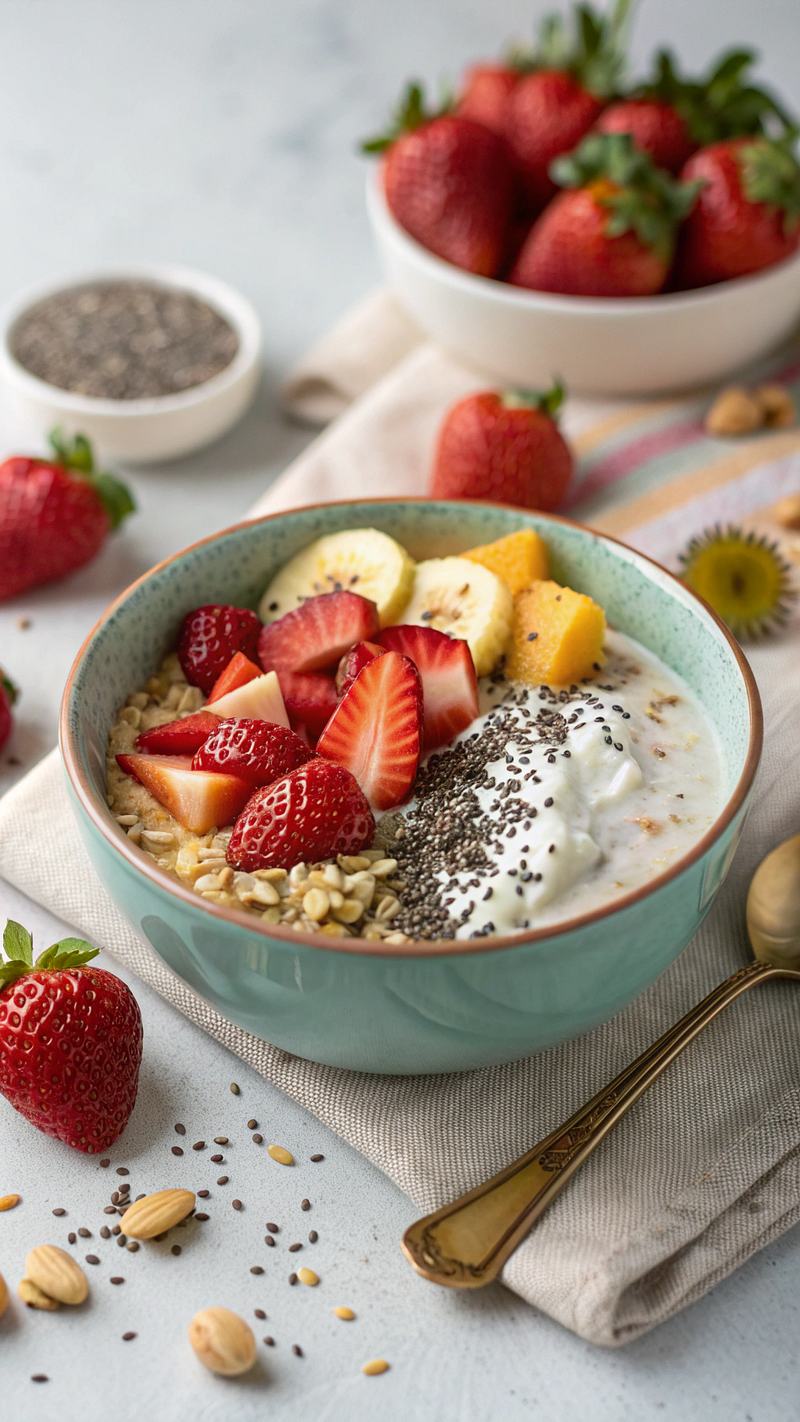
What it is: 1/2 cup oats, 1 tablespoon chia seeds, 3/4 cup milk, 1/2 banana. Mix and refrigerate overnight.
Fiber: About 10 grams
Why it works: No cooking needed. Chia seeds add tons of fiber.
My tip: Make in a mason jar. Grab and go in the morning.
Variations: Add berries, nuts, cinnamon, honey
I make three at a time for easy weekday breakfasts.
24. Whole Grain English Muffin with Peanut Butter and Banana
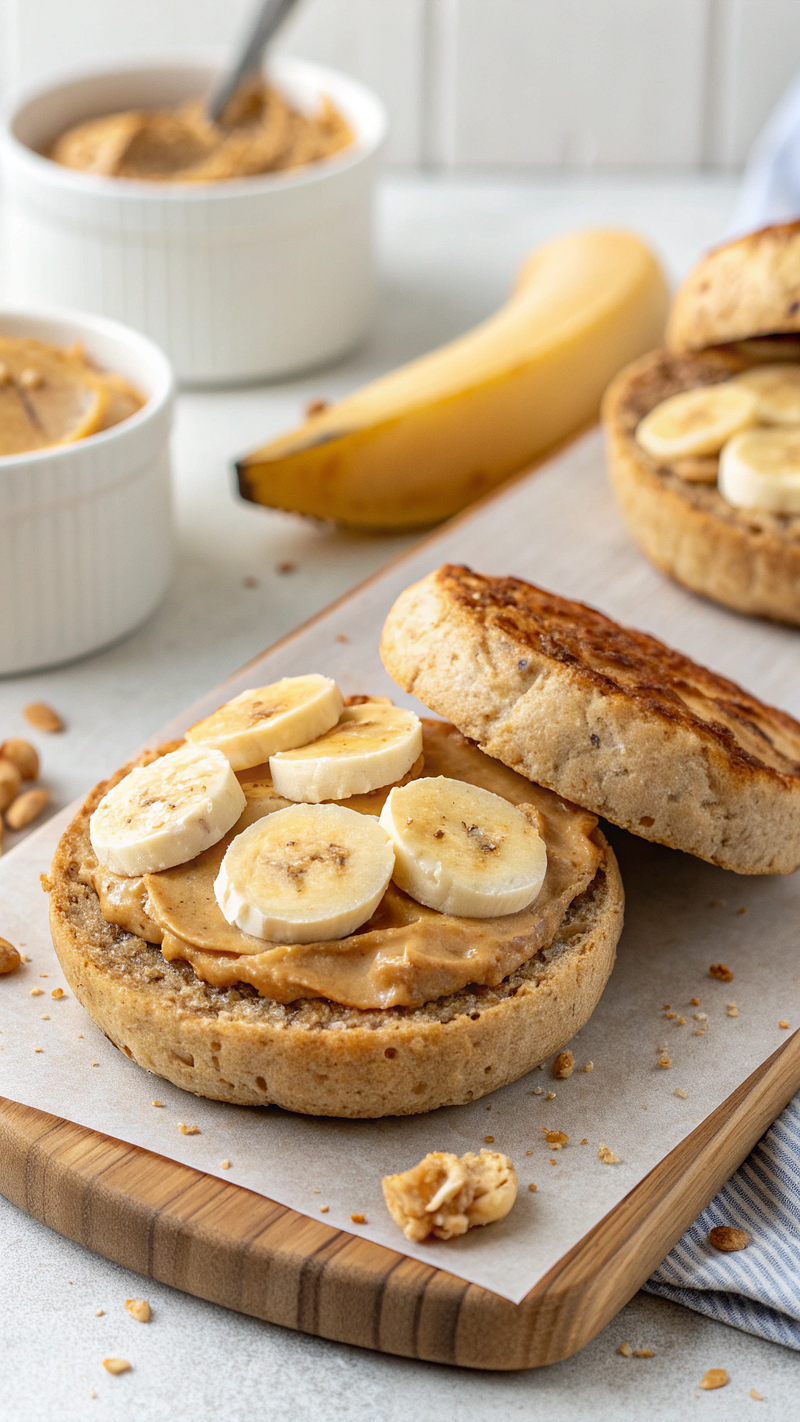
What it is: 1 whole grain English muffin, 2 tablespoons peanut butter, 1 banana sliced on top.
Fiber: About 9 grams
Why it works: Whole grain muffin has fiber. Banana has fiber. Peanut butter adds protein and healthy fats.
My tip: Toast the muffin. The warm muffin melts the peanut butter slightly.
Make it special: Sprinkle cinnamon on top
This is my quick breakfast that keeps me full for hours.
25. Breakfast Burrito with Beans
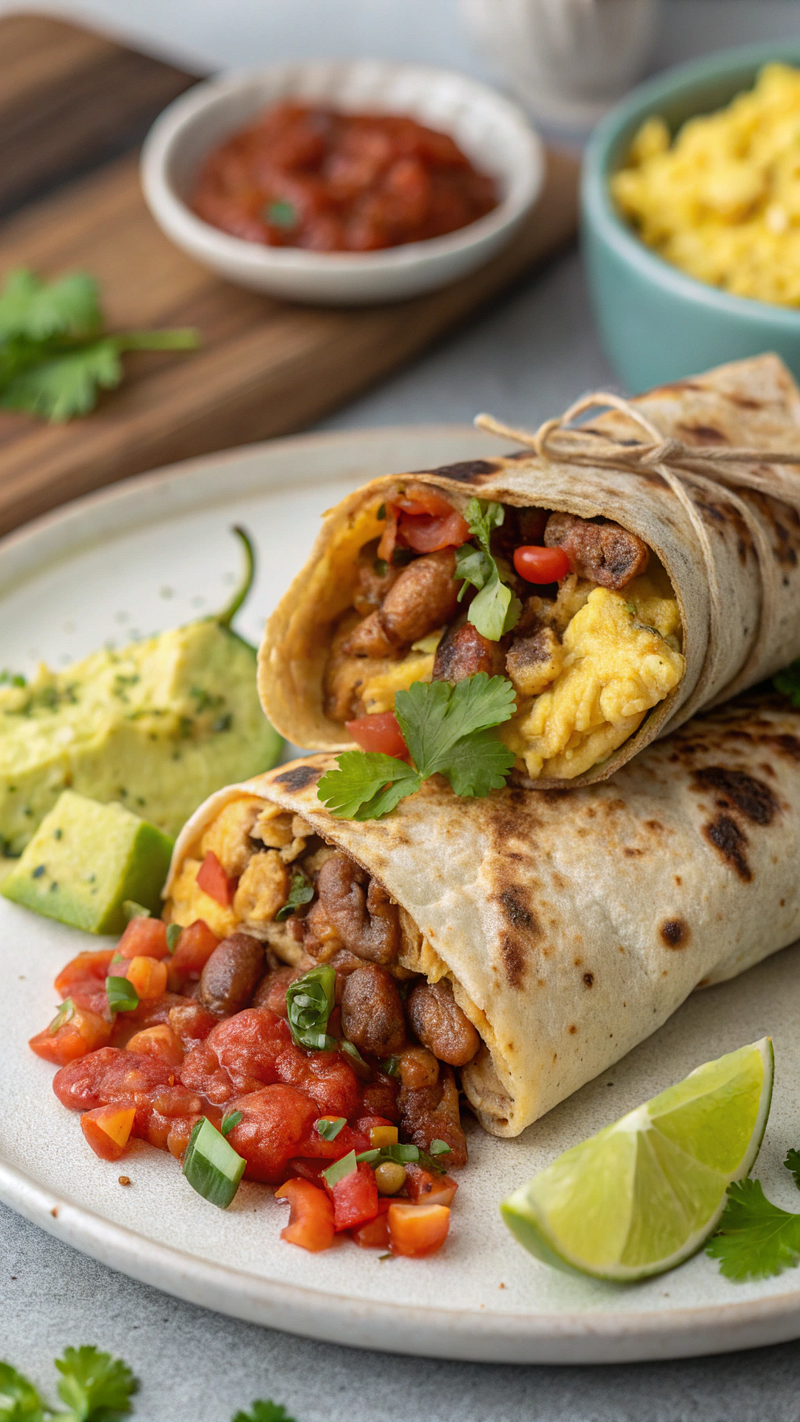
What it is: Whole wheat tortilla, scrambled eggs, black beans, salsa, avocado.
Fiber: About 11 grams
Why it works: Beans are fiber powerhouses. Whole wheat tortilla adds more.
My tip: Warm the tortilla first. Makes it easier to fold.
Prep ahead: Make several, wrap in foil, freeze. Microwave when needed.
This is substantial. Almost like lunch for breakfast.
26. Quinoa Breakfast Bowl
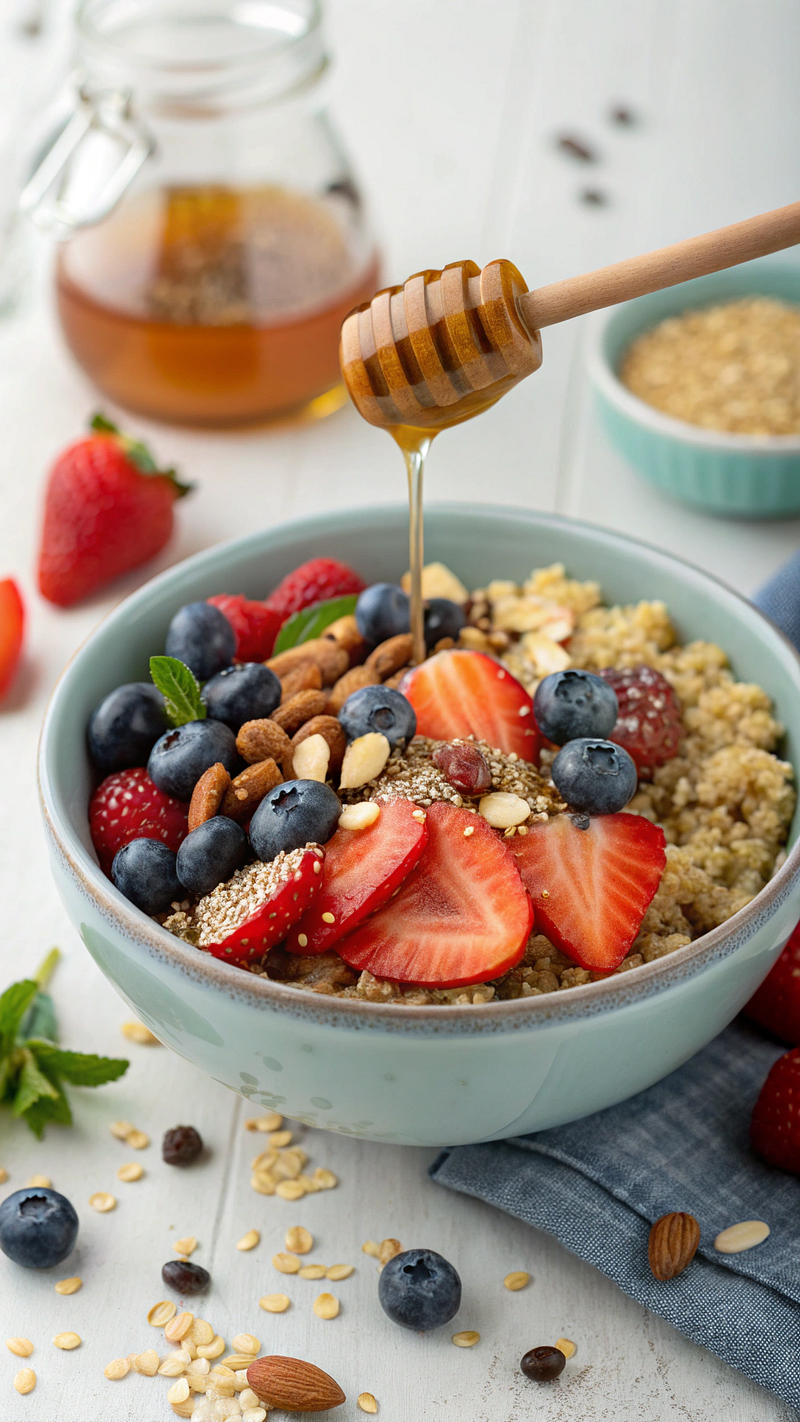
What it is: 1 cup cooked quinoa, 1/2 cup berries, 2 tablespoons nuts, drizzle of honey.
Fiber: About 8 grams
Why it works: Quinoa has fiber and protein. Berries and nuts add more fiber.
My tip: Cook quinoa in milk instead of water. Makes it creamy.
Variation: Add cinnamon and vanilla
This is my non-oatmeal hot cereal option.
27. Whole Wheat Waffles with Fruit and Yogurt
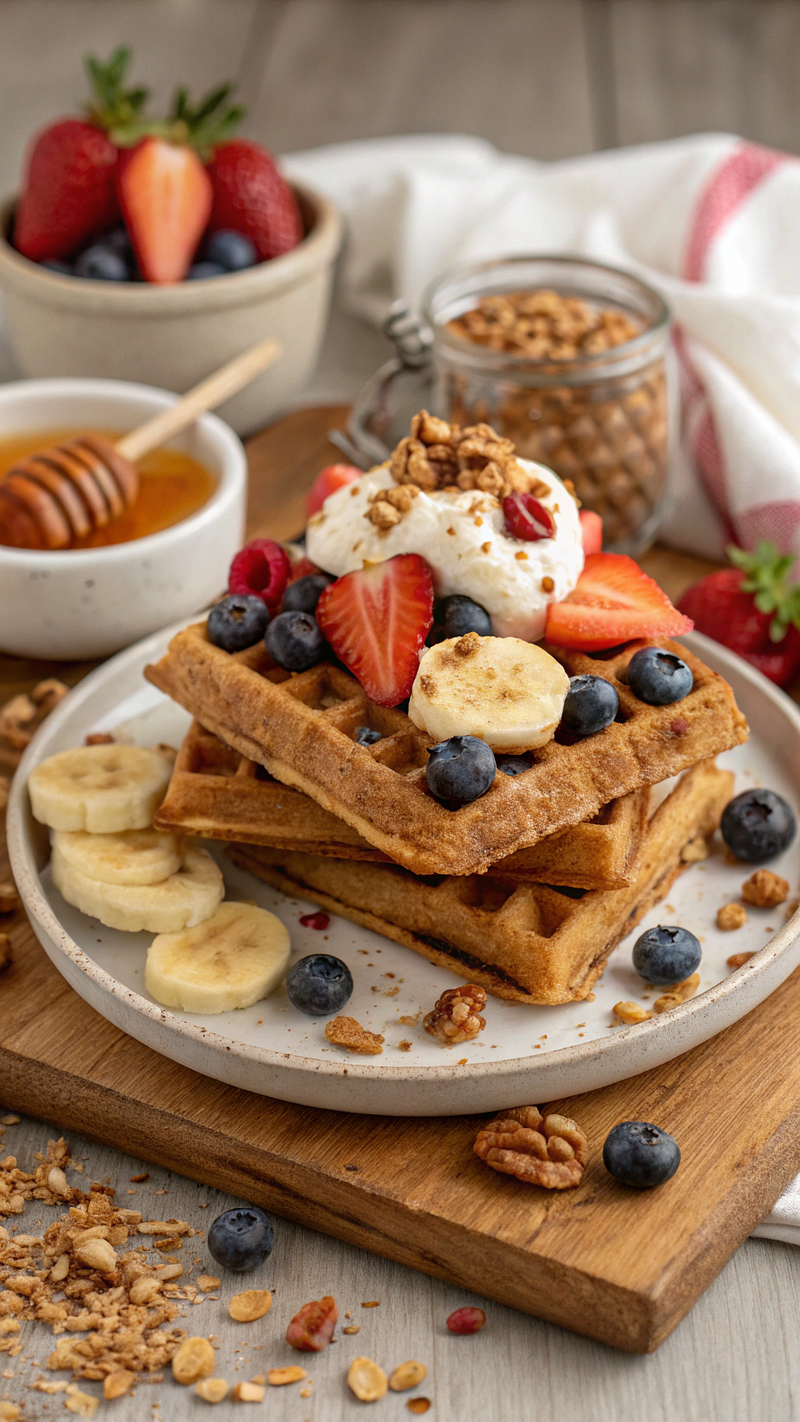
What it is: 2 whole wheat waffles, 1/2 cup berries, dollop of Greek yogurt on top.
Fiber: About 8 grams
Why it works: Whole wheat waffles have more fiber than regular. Fruit and yogurt add nutrients.
My tip: Buy frozen whole wheat waffles. Quick and easy.
Brand I use: Van’s or Kashi whole grain waffles
Quick, satisfying, and feels like a treat.
28. Chia Pudding with Fruit
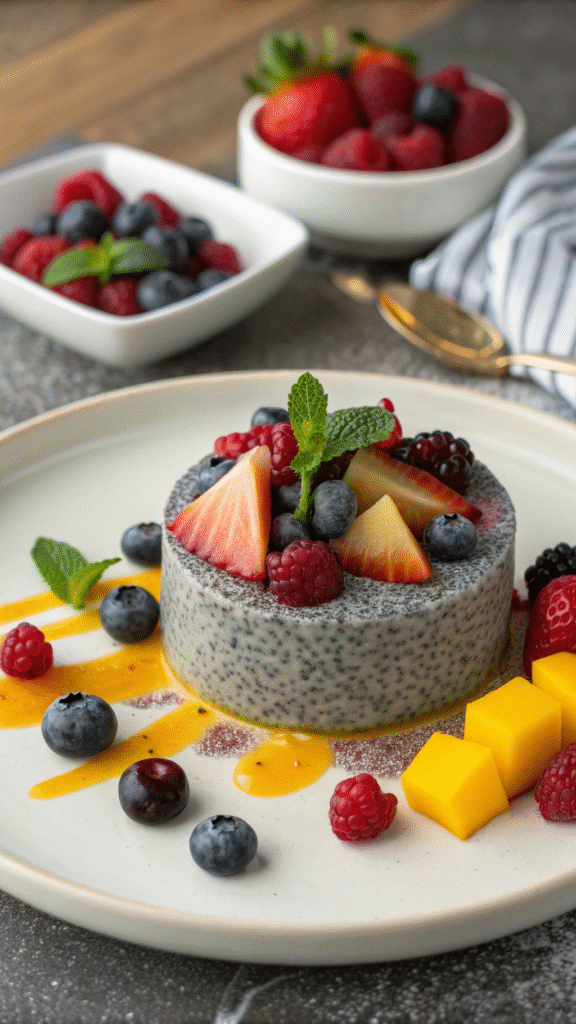
What it is: 3 tablespoons chia seeds, 1 cup milk, 1 teaspoon honey. Mix and refrigerate overnight. Top with fruit.
Fiber: About 12 grams
Why it works: Chia seeds are fiber superstars. 12g fiber in just 3 tablespoons.
My tip: Let it sit at least 4 hours. Gets thick and pudding-like.
Flavor options: Vanilla extract, cocoa powder, cinnamon
This is my highest-fiber breakfast option.
29. Sweet Potato Hash with Eggs
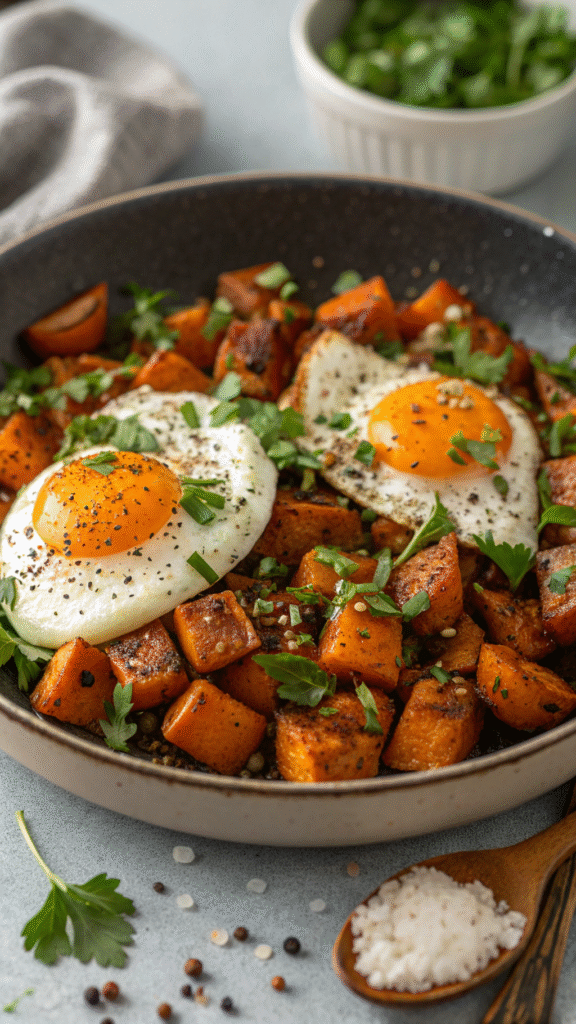
What it is: 1 diced sweet potato (cooked), 1/2 cup black beans, 2 eggs on top.
Fiber: About 10 grams
Why it works: Sweet potatoes have tons of fiber. Beans add more. Eggs add protein.
My tip: Cook sweet potato in microwave for 5 minutes first. Then dice and pan-fry.
Seasoning: Cumin, paprika, salt, pepper
This is my savory, filling breakfast.
30. Apple Cinnamon Oat Bake
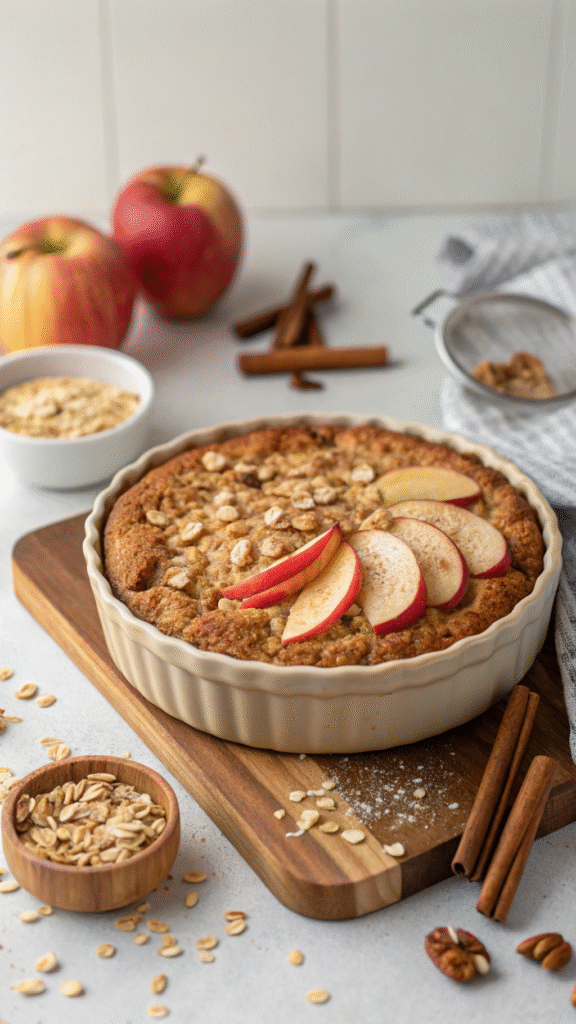
What it is: Baked oatmeal made with oats, diced apples, cinnamon, nuts. Cut into squares.
Fiber: About 9 grams per square
Why it works: Oats and apples both high-fiber. Nuts add more.
My tip: Bake on Sunday. Eat all week. Reheat in microwave.
Recipe: Mix 2 cups oats, 2 cups milk, 2 eggs, 2 diced apples, cinnamon. Bake at 350°F for 35 minutes.
This is meal-prep perfection. One recipe gives me 6 breakfasts.
How I Transitioned Between Phases
Going from low-fiber to high-fiber isn’t instant. Here’s how I did it:
Week 1 after flare-up ends: Still eating mostly low-fiber. Maybe add one piece of fruit.
Week 2: Start adding whole wheat bread instead of white.
Week 3: Add oatmeal or high-fiber cereal.
Week 4: Full high-fiber breakfast routine.
The key: Add fiber slowly. Too fast = bloating and discomfort.
My Current Breakfast Rotation
I don’t eat the same thing every day. I rotate through favorites:
Monday: Oatmeal with berries and walnuts
Tuesday: Whole wheat toast with avocado and eggs
Wednesday: Greek yogurt parfait (prepped Sunday)
Thursday: Overnight oats (prepped Sunday)
Friday: Breakfast burrito with beans
Weekend: Whole wheat pancakes or veggie omelet
Total fiber per week: Average 60–70 grams just from breakfast.
This variety keeps me from getting bored.
Shopping List for Both Phases
Low-Fiber Essentials:
- White bread
- Eggs
- Plain yogurt
- Cream of wheat or rice
- Cornflakes
- Cottage cheese
- Applesauce (unsweetened)
- Canned peaches
- Bananas (very ripe)
- Butter
- Milk
High-Fiber Essentials:
- Whole wheat bread
- Oats (old-fashioned)
- High-fiber cereal
- Chia seeds
- Ground flax seeds
- Berries (fresh or frozen)
- Bananas
- Apples
- Nuts (walnuts, almonds)
- Avocados
- Black beans (canned)
- Quinoa
- Greek yogurt
- Granola
- Peanut butter
- Sweet potatoes
Time-Saving Tips
Meal prep Sunday:
- Make overnight oats for 3–4 days
- Bake oat squares for the week
- Prep yogurt parfaits in mason jars
- Cook quinoa for breakfast bowls
- Make chia pudding
Keep it simple weekdays: Quick breakfasts (under 10 minutes) are lifesavers on busy mornings.
Batch cook and freeze:
- Breakfast burritos
- Pancakes and waffles
- Oat bake squares
What Surprised Me About Breakfast
During low-fiber phase: I thought I’d be hungry all the time. But eggs and yogurt kept me full.
During high-fiber phase: I thought high-fiber meant rabbit food. But these breakfasts are delicious and filling.
The biggest change: My energy improved dramatically once I started eating high-fiber breakfasts. No more mid-morning crashes.
The Bottom Line
You need two breakfast routines: one for flare-ups, one for prevention.
During flare-ups (Low-fiber):
- Keep it simple
- Think soft and bland
- Eggs, yogurt, white bread are your friends
- Goal: Under 10g fiber per day
After healing (High-fiber):
- Get creative
- Add whole grains, fruits, nuts
- Aim for 10–15g fiber at breakfast
- Goal: 25–35g fiber total per day
I’ve been eating high-fiber breakfasts for 14 months now. Haven’t had a flare-up in over a year.
Before that, I was having flare-ups every 3–4 months.
Breakfast matters. Start your day right and your colon will thank you.
Pick a few recipes from each phase. Keep the ingredients stocked. You’ll never be stuck eating eggs on white toast for six days straight.
Trust me. I learned that lesson the hard way.