The pain woke me up at 3 AM.
Sharp. Stabbing. Right in my lower left abdomen. I couldn’t move without wincing.
I’d been through this before. I knew what it was. Another diverticulitis flare-up.
I also knew what came next. Days of careful eating. Slowly working my way back to normal food. One wrong meal could set me back to square one.
The first time I had a flare-up, I had no idea what to eat. My doctor said “start with clear liquids” but didn’t tell me HOW to transition to solid food. I guessed. I messed up. I made my recovery take twice as long.
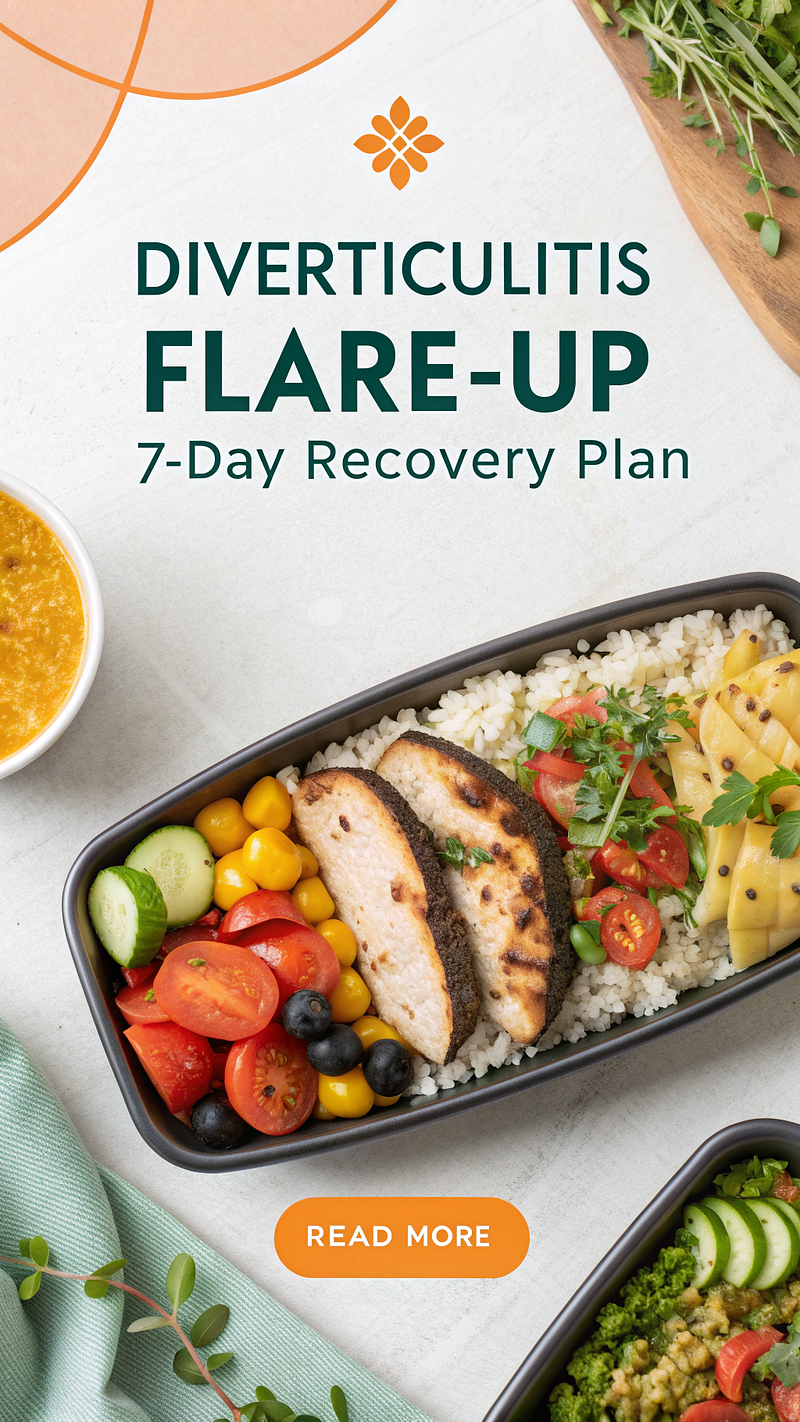
After four flare-ups over two years, I finally figured out the exact meal plan that gets me through recovery in 7 days.
Not 10 days. Not two weeks. Seven days from pain to eating normal food again.
Love This Recipe? You’ll Love These 30 Easy Vegan Recipes.
Simple, healthy meals made with everyday ingredients. Perfect for beginners, meal prep, and busy weeknights.
Before We Start: Important Rules
Rule 1: This plan assumes you’ve seen a doctor and you’re on antibiotics if needed. Don’t skip medical care.
Rule 2: If pain gets worse at any point, go back to the previous day’s foods. Don’t push through.
Rule 3: Drink water constantly. At least 8 glasses per day. More is better.
Rule 4: Everyone heals differently. This is what works for me. Listen to your body.
Ready? Let’s do this.
Days 1–2: Clear Liquids Only (Give Your Colon a Break)
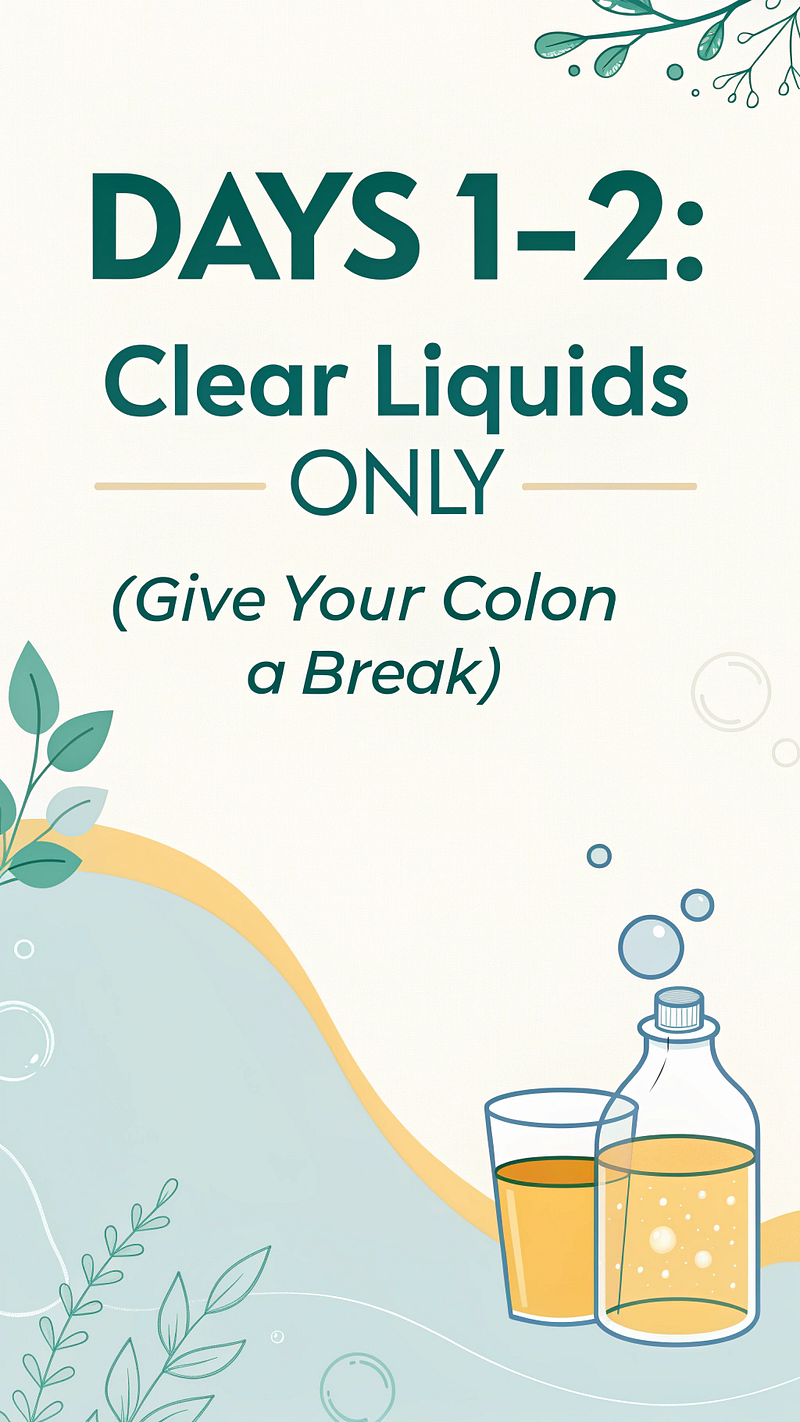
Your colon is inflamed and angry. It needs complete rest. Nothing solid.
I know this phase is miserable. But it’s crucial. Skip this and you’ll pay for it later.
Day 1 & 2 Meal Plan
When you wake up:
- 1 cup warm water with a squeeze of lemon
- Wait 30 minutes
Breakfast (7–8 AM):
- 1 cup chicken broth (warm it up, sip it slowly)
- 1 cup apple juice
- Plain tea if you want it
Mid-morning (10 AM):
- Popsicle (no fruit chunks)
- 1 cup water
Lunch (12–1 PM):
- 1–2 cups chicken or vegetable broth
- 1 cup white grape juice
- Plain Jello (no added fruit)
Afternoon (3 PM):
- 1 cup sports drink (Gatorade or Powerade)
- Another popsicle if you want one
Dinner (6–7 PM):
- 1–2 cups beef or chicken broth
- 1 cup apple juice
- Plain Jello
Evening (9 PM):
- 1 cup herbal tea
- Water
What I learned the hard way: Don’t rush this phase. I felt better after 24 hours once and ate crackers on Day 2. Big mistake. Pain came roaring back.
Get 200+ Vegan Recipes For 7 Days Plan
Helpful tips:
- Warm broths are more satisfying than cold ones
- Add a tiny bit of salt to broth if it tastes too bland
- Rotate between different flavors to stay sane
- Keep popsicles in the freezer for variety
- Set phone reminders to drink water
Days 3–4: Introducing Soft Foods (Baby Steps)
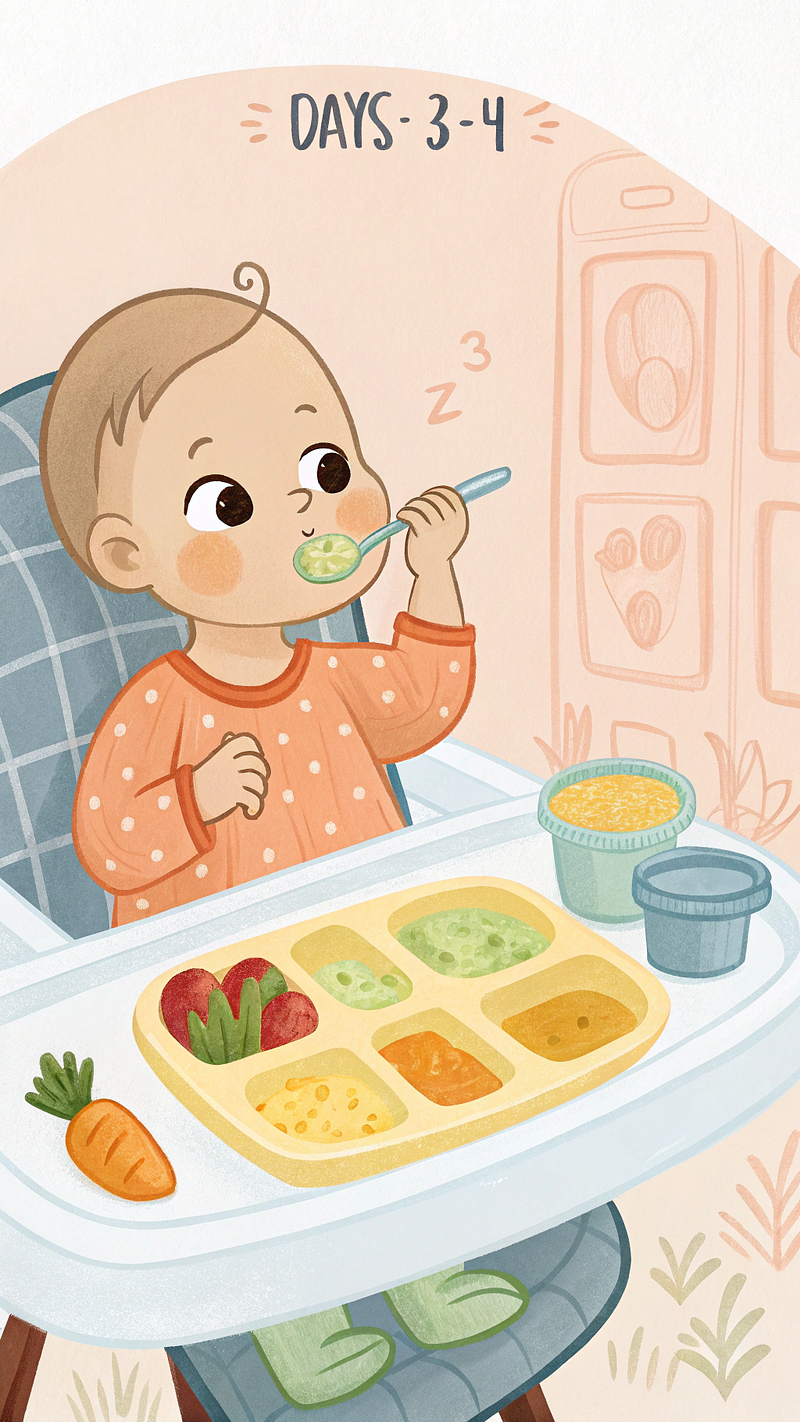
Pain is improving. You’re ready for actual food. Start gentle.
These foods are low in fiber and easy to digest. Your colon can handle them now.
Day 3 Meal Plan
Breakfast:
- 1 scrambled egg (cooked soft with a little butter)
- 1 slice white toast with butter
- 1 cup apple juice
- Water
I cried with joy the first time I ate real food after two days of broth. That egg tasted like heaven.
Mid-morning snack:
- 1/2 cup applesauce (unsweetened)
- 4–5 saltine crackers
- Water
Lunch:
- 1 cup white rice (plain or with a little butter and salt)
- 1/2 cup canned peaches (drained)
- 1 cup chicken broth
- Water
Afternoon snack:
- Plain yogurt (3/4 cup, no fruit chunks or granola)
- 1 cup apple juice
Dinner:
- Small piece of baked chicken breast (4 oz, no skin, very tender)
- 1/2 cup mashed potatoes (no skin, add butter and milk)
- 1/2 cup cooked carrots (soft, cut small)
- Water
Evening:
- Jello or popsicle
- Herbal tea
What to expect: You might feel bloated after eating solid food. That’s normal. Go slow.
Day 4 Meal Plan
Breakfast:
- 1 cup cream of wheat or cream of rice (cooked smooth)
- 1 ripe banana (mashed if it’s easier)
- 1 cup milk
- Water
Mid-morning snack:
- 1/2 cup cottage cheese
- 4–5 crackers
- Water
Lunch:
- 1 cup white pasta with butter (no red sauce yet)
- 1 small piece of cooked fish (cod or tilapia, very tender)
- 1/2 cup canned pears
- Water
Afternoon snack:
- Plain yogurt with 1 teaspoon honey
- 1 cup white grape juice
Dinner:
- Small turkey meatballs (4–5 small ones, made with white bread crumbs)
- 1 cup white rice
- 1/2 cup cooked green beans (well-cooked, soft)
- Water
Evening:
- Small bowl vanilla ice cream (no nuts or chocolate chips)
- Herbal tea
Progress check: By end of Day 4, you should have minimal pain. If you’re still hurting badly, stay on Day 3 foods for another day.
Days 5–6: Expanding Options (Still Cautious)
You’re feeling much better. Time to add more variety. Still low fiber, but more choices.
Day 5 Meal Plan
Breakfast:
- 2 scrambled eggs with melted cheese
- 1 slice white toast with jam
- 1/2 cup melon (honeydew or cantaloupe)
- Orange juice (strained, no pulp)
- Water
Mid-morning snack:
- String cheese
- 6–8 crackers
- Water
Lunch:
- Grilled chicken sandwich on white bread (with mayo and lettuce)
- 1 cup chicken noodle soup (low sodium)
- 1/2 cup applesauce
- Water
Afternoon snack:
- Smooth peanut butter on white bread
- 1 cup milk
Dinner:
- Baked salmon (small piece, 4–5 oz)
- 1 cup white rice or pasta
- 1/2 cup cooked zucchini (peeled, no seeds)
- Small dinner roll with butter
- Water
Evening:
- Pudding or custard
- Herbal tea
What I noticed: By Day 5, I started feeling normal again. Energy came back. Appetite improved.
Day 6 Meal Plan
Breakfast:
- 1 cup cornflakes with milk
- 1 slice white toast with butter
- 1/2 banana
- Coffee (if you normally drink it)
- Water
Mid-morning snack:
- Yogurt smoothie (blend plain yogurt with banana and ice, no berries yet)
- Handful of pretzels
Lunch:
- Tuna salad sandwich on white bread
- Small bowl of chicken and rice soup
- 1/2 cup canned fruit cocktail
- Water
Afternoon snack:
- Cheese and crackers
- 1 cup juice
Dinner:
- Beef tips (tender, cooked well)
- Mashed potatoes (can add gravy now)
- 1/2 cup cooked carrots
- White dinner roll
- Water
Evening:
- Graham crackers
- Cup of hot chocolate
- Water
Important note: You might be tempted to jump to salads and vegetables. Don’t. One more day of easy foods makes sure you’re really healed.
Day 7: Transitioning to Normal Diet (Almost There)
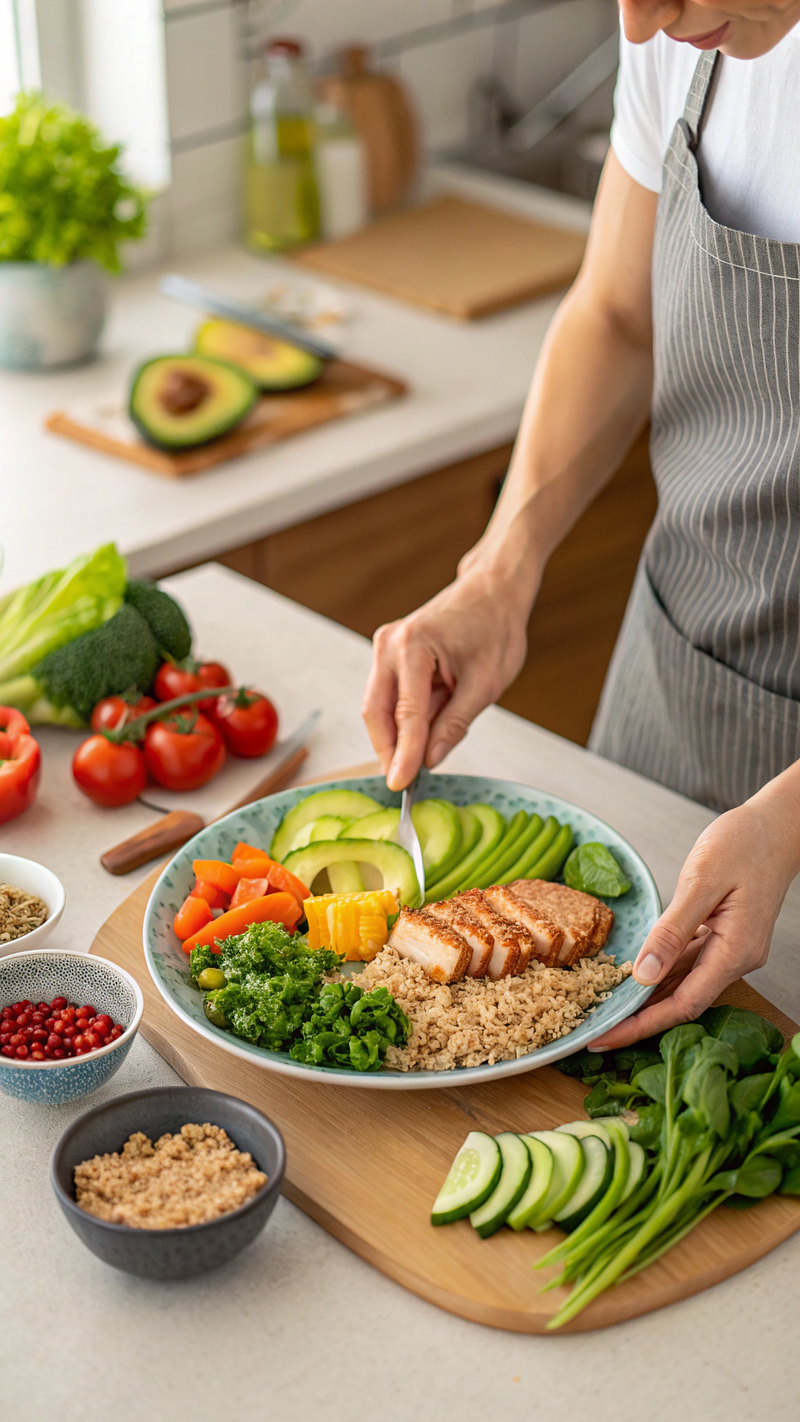
Last day of careful eating. Tomorrow you can start adding fiber back slowly.
Day 7 Meal Plan
Breakfast:
- 1–2 eggs any style
- 1 slice whole wheat toast (yes, you can try whole wheat now)
- 1 small orange or 1/2 cup berries
- Coffee or tea
- Water
Mid-morning snack:
- Apple slices with peanut butter
- Water
Lunch:
- Turkey and cheese sandwich (can use wheat bread)
- Small side salad (lettuce, cucumber, tomato — go easy on raw veggies)
- 1 cup soup
- Water
Afternoon snack:
- Trail mix (small handful — nuts are okay now)
- Yogurt with fruit
- Water
Dinner:
- Grilled chicken breast (5–6 oz)
- 1/2 cup brown rice (yes, you can start fiber now)
- Mixed cooked vegetables (whatever you like)
- Small garden salad
- Water
Evening:
- Fresh fruit
- Herbal tea
Milestone: You made it. Seven days from flare-up to eating normal food.
What Comes After Day 7
Don’t immediately go back to burgers and fries.
Week 2 plan:
- Slowly increase fiber (add 5 grams per day)
- Keep drinking lots of water
- Eat whole grains at every meal
- Add beans and lentils gradually
- Watch how you feel
My routine after recovery:
- Oatmeal most mornings
- Salads for lunch with protein
- Whole grains at dinner
- Lots of vegetables
- Fruit for snacks
Goal: 25–35 grams of fiber per day to prevent future flare-ups.
Foods to Keep Avoiding (Even After Recovery)
Some foods trigger flare-ups more than others. I learned this through painful experience.
Limit these permanently:
- Red meat (no more than 2 times per week)
- Fried foods (hard to digest)
- Processed foods (low fiber, inflammatory)
- Too much alcohol (irritates colon)
- Eating too fast (chew thoroughly)
What surprised me: Spicy food is usually okay. Popcorn is okay. Seeds are okay. But red meat consistently causes problems for me.
Shopping List for the 7-Day Plan
For Days 1–2:
- Chicken broth (6–8 boxes)
- Beef broth (2 boxes)
- Apple juice
- White grape juice
- Sports drinks
- Popsicles
- Jello mix
- Herbal tea
For Days 3–4:
- Eggs (1 dozen)
- White bread
- Butter
- White rice
- Saltine crackers
- Applesauce
- Plain yogurt
- Chicken breasts
- White fish (cod or tilapia)
- Canned peaches and pears
- Carrots
- Green beans
- White pasta
- Cottage cheese
- Milk
- Vanilla ice cream
For Days 5–6:
- More chicken and fish
- Turkey
- Cheese
- Smooth peanut butter
- Salmon
- Zucchini
- Melon
- Cornflakes
- Tuna
- Pretzels
- Beef tips
For Day 7:
- Whole wheat bread
- Fresh fruit
- Trail mix
- Brown rice
- Mixed vegetables
- Salad ingredients
Total cost: About $75–100 for one person for the week.
Meal Prep Tips That Saved Me
Cook in batches: Make a big pot of broth on Day 1. Make extra rice and pasta. Store in fridge.
Keep it simple: Don’t try fancy recipes during recovery. Simple food is easier on your stomach.
Prep ahead: Wash and cut vegetables when you’re feeling good. Store them ready to cook.
Use your freezer: Cook chicken in bulk. Freeze portions. Reheat when needed.
Paper plates: I’m not above using disposable plates during recovery. Less cleanup = more rest.
Mistakes I Made (So You Don’t Have To)
Mistake 1: Jumped from broth to pizza on Day 3. Spent the next three days back on broth.
Lesson: Follow the plan. Don’t skip steps.
Mistake 2: Didn’t drink enough water. Got constipated. Made everything worse.
Lesson: Set hourly reminders to drink water.
Mistake 3: Ate a huge meal on Day 6 because I was so hungry. Felt awful.
Lesson: Small, frequent meals are better than big meals.
Mistake 4: Thought I was healed after Day 7 and ate buffalo wings. Had another flare-up two days later.
Lesson: Ease into normal eating. Don’t rush.
Warning Signs to Watch For
Stop and call your doctor if:
- Pain gets worse instead of better
- You develop a fever over 101°F
- You see blood in your stool
- You can’t keep any food down
- You’re not improving by Day 3
Don’t be a hero. Complications from diverticulitis can be serious.
How to Prevent Future Flare-Ups
After you recover, prevention is everything.
Daily habits that work:
- Eat high fiber every day (25–35 grams)
- Drink 8–10 glasses of water
- Exercise regularly (even just walking)
- Don’t ignore the urge to go to the bathroom
- Manage stress (stress can trigger flare-ups)
- Maintain healthy weight
Monthly check: I keep a food journal. When I notice stomach discomfort, I look back to see what I ate. Patterns emerge.
What reduced my flare-ups by 80%:
- High fiber diet daily
- Cutting out most red meat
- Staying hydrated
- Regular exercise
- Probiotics (my doctor approved this)
Real Talk: The Mental Part
Flare-ups are scary and frustrating.
You feel like your body is betraying you. You’re afraid to eat. You’re tired of broth.
What helped me:
- Remember it’s temporary (7 days, that’s it)
- Stay busy (watch shows, read, anything to distract)
- Connect with others (online support groups help)
- Be patient with yourself
- Focus on the fact you’re healing
The first flare-up: I panicked. Thought my life was over. Thought I’d never eat normally again.
Now: I know the drill. It’s annoying but manageable. Seven days and I’m back to normal.
Success Stories That Give Me Hope
John, 52: “I’ve had diverticulitis for 5 years. Following a meal plan like this cut my recovery time in half. I used to be out for 2–3 weeks. Now it’s 7–10 days.”
Maria, 48: “The clear liquid phase was hard but it works. Once I stopped fighting it and just followed the plan, I healed so much faster.”
David, 61: “After three flare-ups, I learned my lesson. Now I eat high fiber every day. I haven’t had a flare-up in 18 months.”
Quick Reference: What to Eat When
Days 1–2: Broth, juice, popsicles, Jello Days 3–4: Eggs, white bread, white rice, soft chicken, cooked vegetables
Days 5–6: More protein options, pasta, sandwiches, still low fiber Day 7: Start adding whole grains, salads, fresh fruit
Always: Drink tons of water
My Current Status
It’s been 8 months since my last flare-up. The longest I’ve gone without one.
What changed? I take prevention seriously now.
My daily diet:
- Oatmeal with berries and flax seeds
- Big salad for lunch with beans
- Whole grain pasta or brown rice at dinner
- Lots of vegetables
- Fruit for snacks
- 10 glasses of water
What I avoid:
- Red meat (maybe once a month)
- Fast food (triggers problems every time)
- Alcohol (1–2 drinks maximum)
- Eating too quickly
I’m not perfect. I still eat pizza occasionally. I have cake at birthdays. I don’t stress about being 100% perfect.
But I stick to the plan 80–90% of the time. And that’s enough.
Final Thoughts
Seven days from flare-up to normal eating. That’s the goal.
Days 1–2 are the worst. Hang in there.
Days 3–4, you’ll start feeling human again.
Days 5–6, you’ll feel almost normal.
Day 7, you’re back.
Then focus on prevention so you don’t have to do this again.
The truth: You can live a completely normal life with diverticulitis. You just need to pay attention to what you eat.
Is it annoying sometimes? Yes.
Is it worth it to avoid that ER-level pain? Absolutely.
This meal plan got me through four flare-ups. Each time, seven days from start to finish.
It’ll work for you too. Just take it day by day. Meal by meal.
You’ve got this.