I was sitting at a steakhouse celebrating my birthday when the pain started.
Sharp. Stabbing. Right in my lower left abdomen. The same pain I’d felt three months earlier during my first diverticulitis flare-up.
I looked down at my plate. Half-eaten steak. Loaded baked potato. Side of fries.
“Not again,” I whispered.
My wife looked at me. “Your stomach?”
I nodded. We left before dessert. I spent my birthday night in the ER.
That’s when I started keeping a food journal. Every meal. Every symptom. Every flare-up.
After two years and five flare-ups, I found the pattern. Ten foods consistently triggered my problems.
Some were obvious. Some shocked me. But once I cut them out, my flare-ups dropped from every 3–4 months to once a year.
Love This Recipe? You’ll Love These 30 Easy Vegan Recipes.
Simple, healthy meals made with everyday ingredients. Perfect for beginners, meal prep, and busy weeknights.
Here are the 10 foods that kept causing me problems. They might be triggering your flare-ups too.
Important: Everyone Is Different
Before we start, know this: food triggers vary by person.
What causes my flare-ups might not cause yours. What you tolerate fine might destroy me.
The only way to know your triggers: Keep a food journal. Write down everything you eat. Note when symptoms appear.
After 3–4 months, patterns will emerge.
That said, these 10 foods trigger problems for MOST people with diverticulitis. Not everyone. But most.
1. Red Meat (The Biggest Trigger for Me)
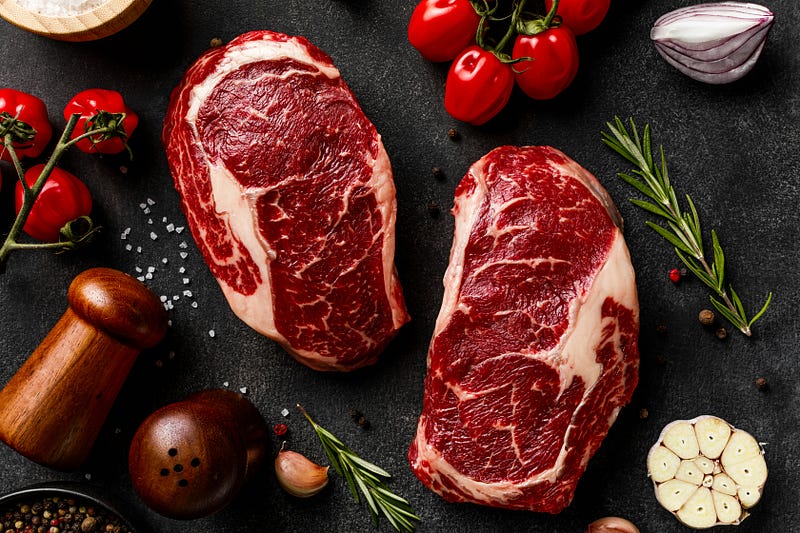
This one hurt to discover. I love steak. Burgers. BBQ ribs.
But red meat triggered four out of my five flare-ups.
Why it causes problems:
- Takes longer to digest
- Sits in your colon longer
- Can cause constipation
- May increase inflammation
My experience: Every time I ate a big steak or multiple burgers in a week, I’d have symptoms within 2–3 days. Cramping. Discomfort. Then full-blown pain.
The research: A Harvard study followed 46,000 men for 26 years. Men who ate the most red meat had 58% higher risk of diverticulitis.
That’s huge.
What I do now:
- Limit red meat to once per month
- Small portions only (4 oz max)
- Choose lean cuts
- Focus on chicken, turkey, and fish instead
The result: I went from flare-ups every 3 months to one flare-up in the past year.
Red meat was my biggest trigger. Maybe yours too.
2. Processed Foods (The Sneaky Trigger)
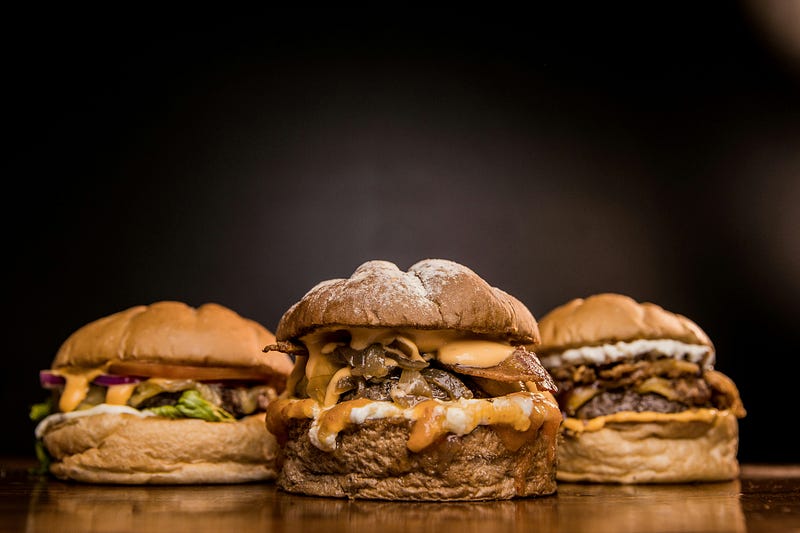
Frozen dinners. Fast food. Packaged snacks. Deli meat. Hot dogs.
I used to eat this stuff constantly. Quick. Easy. Convenient.
Also terrible for diverticulitis.
Why they cause problems:
- Very low fiber
- High in fat
- Full of additives and preservatives
- Hard to digest
- May cause inflammation
My wake-up call: I tracked my food for a month. Weeks with lots of processed food = stomach problems. Weeks with fresh food = felt fine.
The connection was obvious once I saw it.
Examples that triggered me:
- Frozen pizza (every time)
- Fast food burgers and fries
- Packaged cookies and chips
- Deli sandwiches with processed meat
- Microwave meals
What I do now:
- Cook real food most days
- Meal prep on Sundays
- Keep it simple (grilled chicken, vegetables, rice)
- Save processed food for rare occasions
Unexpected benefit: I lost 15 pounds and feel way better overall.
3. Fried Foods (The Pain Makers)
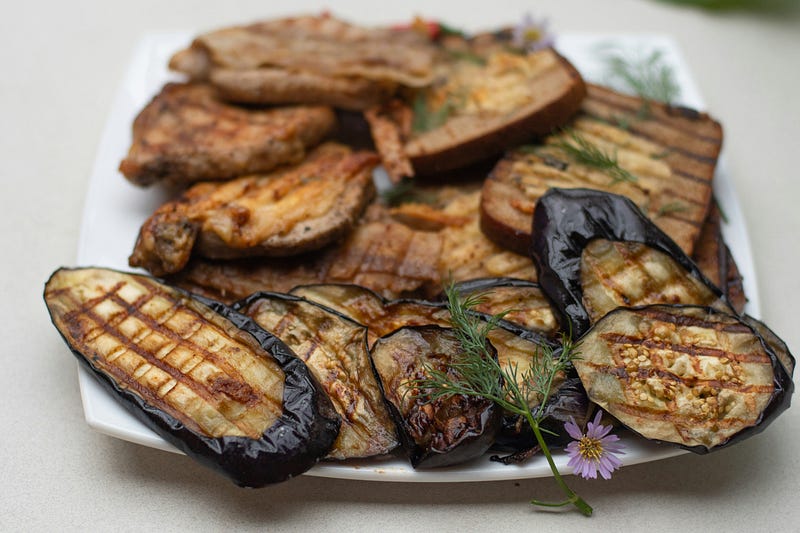
French fries. Fried chicken. Onion rings. Donuts. Anything deep-fried.
Delicious. Also caused me significant problems.
Why they cause issues:
- Very high in fat
- Takes forever to digest
- Slows down your whole digestive system
- Can cause inflammation
- Often triggers constipation
My pattern: Ate fried food → Stomach felt heavy → Constipation the next day → Cramping and pain within 48 hours.
Every. Single. Time.
The worst offenders for me:
- Fast food french fries
- Fried chicken (even though I love it)
- Chinese takeout (usually fried)
- Donuts and fried pastries
- Deep-fried anything
What I learned: It wasn’t just one fried meal. It was accumulation. One serving of fries was usually okay. Fries three times in a week? Guaranteed problems.
My current rule: No fried food more than once per month. When I do have it, small portions only.
4. Low-Fiber Refined Grains (The Constipation Causers)
White bread. Regular pasta. White rice. Pastries. Croissants.
Wait, didn’t my doctor say eat these during a flare-up?
Yes. During active inflammation, these are fine. They give your colon rest.
But eating them long-term when you’re healed? That’s asking for trouble.
Why they cause problems:
- Almost zero fiber
- Cause constipation
- Constipation increases colon pressure
- Pressure = more diverticula = more flare-ups
My mistake: After recovering from my first flare-up, I kept eating low-fiber foods. White bread sandwiches every day. Regular pasta for dinner.
I got constipated. Then I got another flare-up.
The science: Studies show people who eat mostly refined grains have significantly higher flare-up rates.
Your colon needs fiber to function properly. No fiber = backup = problems.
What I do now:
- Whole wheat bread only
- Brown rice instead of white
- Whole grain pasta
- Oatmeal for breakfast
- Quinoa when I want variety
The change I noticed: Regular bowel movements. Less bloating. Fewer flare-ups.
5. Full-Fat Dairy (The Bloating Culprit)

Whole milk. Heavy cream. Full-fat cheese. Ice cream.
I’m not lactose intolerant. I can digest dairy fine. But full-fat dairy consistently caused me discomfort.
Why it can trigger issues:
- High in fat
- Slows digestion
- Can cause bloating and gas
- May increase inflammation for some people
My experience: A big bowl of ice cream → Stomach felt heavy → Bloating → Cramping → Sometimes progressed to real pain.
Not everyone reacts this way. Some people with diverticulitis handle dairy fine. But enough people have problems that it’s worth watching.
What triggers me:
- Ice cream (especially rich flavors)
- Heavy cream sauces
- Full-fat cheese in large amounts
- Whole milk
What I switched to:
- Low-fat milk or almond milk
- Greek yogurt (low-fat)
- Smaller portions of cheese
- Sorbet instead of ice cream
Important: Dairy also has zero fiber. So it contributes to the constipation problem.
6. Alcohol (The Inflammation Trigger)

Beer. Wine. Cocktails. Hard liquor.
Alcohol irritates your digestive system. For someone with diverticulitis, that irritation can spark a flare-up.
Why it causes problems:
- Irritates the lining of your colon
- Can cause inflammation
- Dehydrates you (constipation risk)
- Slows digestion
- Affects gut bacteria
My learning curve: Two drinks at dinner was usually fine. Three or more drinks? I’d have symptoms within 24 hours.
The pattern I noticed:
- 1 drink = usually okay
- 2 drinks = sometimes okay
- 3+ drinks = problems the next day
- Multiple days of drinking = guaranteed issues
What happened: Beer especially caused me problems. Bloating. Gas. Stomach discomfort.
Wine was slightly better but still caused issues in larger amounts.
My current approach:
- Limit to 1–2 drinks max
- Only 2–3 times per month
- Never drink multiple days in a row
- Drink lots of water alongside alcohol
- Skip alcohol if I’m feeling any stomach sensitivity
The trade-off: Is giving up regular drinking worth avoiding flare-ups? For me, absolutely.
7. Spicy Foods (The Individual Variable)
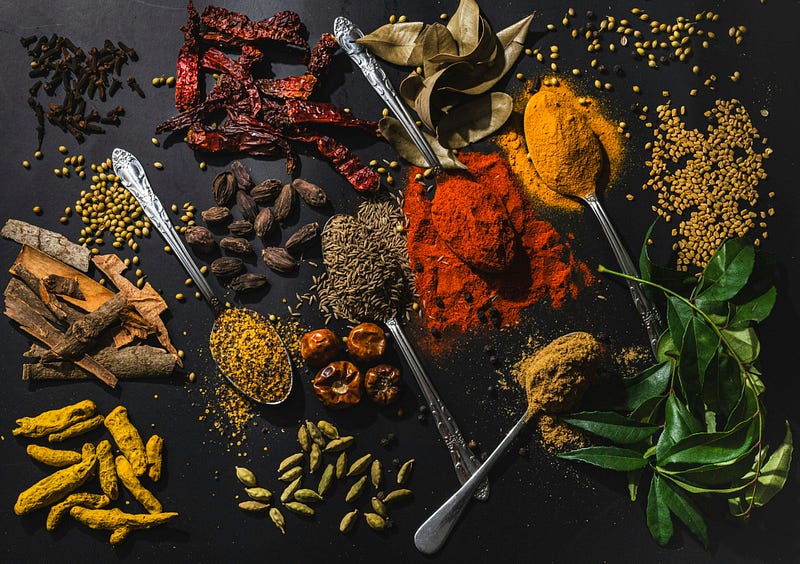
Hot sauce. Spicy peppers. Curry. Buffalo wings.
This one is controversial. Some people tolerate spicy food fine. Others can’t touch it.
Why it might cause problems:
- Irritates digestive system lining
- Can increase inflammation
- May trigger cramping and diarrhea
- Affects some people more than others
My experience: Moderate spice was fine. Really spicy food caused problems.
A little hot sauce on eggs? No problem.
Extra-hot buffalo wings? Stomach cramping within hours.
Important distinction: It wasn’t the spice itself. It was the combination of spice + fried food + high fat. That triple threat always got me.
What I learned: Spicy but healthy food (like spicy grilled chicken or spicy vegetables) usually didn’t cause issues.
Spicy junk food (buffalo wings, spicy fried chicken) = problems.
Current rule: Mild to medium spice is fine. Extra-hot is avoided. And never combine spicy with fried.
8. High-Sugar Foods (The Gut Bacteria Disruptors)

Candy. Soda. Sugary desserts. Sweetened drinks.
Sugar feeds bad bacteria in your gut. Bad bacteria can trigger inflammation.
Why it causes problems:
- Feeds unhealthy gut bacteria
- May increase inflammation
- Zero nutritional value
- Often combined with other triggers (like fat in desserts)
- Can affect digestion
My pattern: I noticed this one slowly. Weeks where I ate a lot of sweets = more stomach issues. Weeks I kept sugar low = felt better.
What triggered me:
- Soda (especially multiple cans per day)
- Candy bars daily
- Sugary breakfast cereals
- Large desserts after meals
- Sweetened coffee drinks
What the research says: High sugar intake is linked to increased inflammation throughout the body, including the digestive system.
What I changed:
- Cut out regular soda completely
- Limit desserts to once or twice per week
- Small portions only
- Choose fruit when I want something sweet
- Use less sugar in coffee and tea
Unexpected result: Not only fewer stomach issues but also more stable energy throughout the day.
9. Tough or Chewy Meats (The Digestion Challenges)
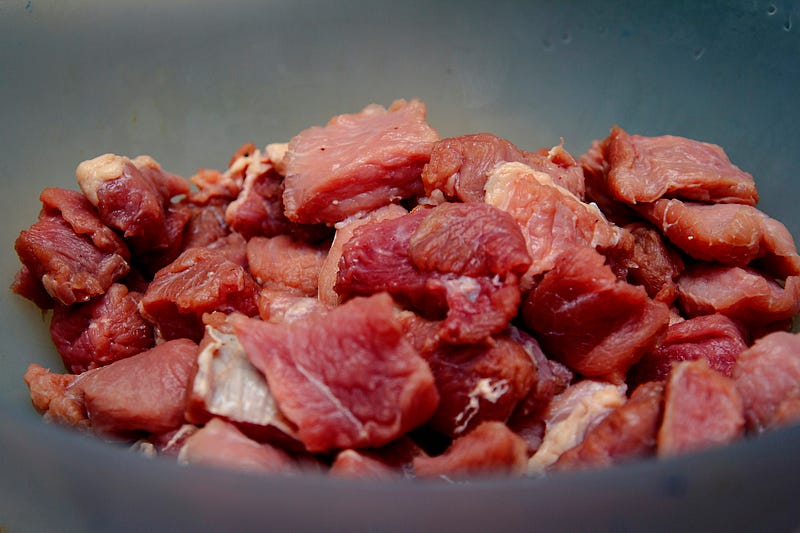
Steak (especially tough cuts). Pork chops. Pot roast. Beef jerky.
These meats aren’t just red meat. They’re also hard to digest because they’re tough and chewy.
Why they cause problems:
- Require more work from your digestive system
- Take longer to break down
- Sit in your colon longer
- Can cause bloating and discomfort
- Increase risk of constipation
My experience: Tender, well-cooked chicken? Fine.
Tough, chewy steak? Pain within 24 hours.
The difference maker: How the meat is cooked matters as much as what meat it is.
Tender, slow-cooked beef in a stew? Usually okay.
Tough, chewy steak cooked medium-rare? Problems.
What I do now:
- Choose tender cuts of meat
- Cook meat until very tender
- Slow cooker is my friend
- Ground meats are easier to digest
- Fish and poultry over red meat
Pro tip: If you can’t easily cut it with a fork, your stomach will have trouble with it too.
10. Large Meals (The Overload Problem)

This isn’t a specific food. It’s how much food you eat at once.
Big holiday meals. All-you-can-eat buffets. Huge restaurant portions.
Why large meals trigger issues:
- Overload your digestive system
- Cause your colon to work extra hard
- Often include multiple trigger foods
- Lead to bloating and discomfort
- Increase pressure on your colon
My birthday disaster: Remember that steakhouse? I didn’t just eat steak. I ate:
- Appetizer (fried)
- Large steak
- Loaded baked potato
- Side of fries
- Bread basket
- Planning to have dessert
That’s massive. Way too much food, especially trigger foods.
What I learned: Even safe foods can cause problems in large quantities.
A small portion of chicken and vegetables? Fine.
A huge portion of the same meal? Uncomfortable.
My current eating style:
- Smaller, more frequent meals
- Stop eating when 80% full
- Share restaurant meals or take half home
- No more buffets (too tempting to overeat)
- Listen to my body’s signals
The mental shift: Food isn’t entertainment anymore. It’s fuel. I enjoy it, but I don’t stuff myself.
How I Track My Food Triggers
Keeping a food journal changed everything for me.
What I track:
- Everything I eat (including portions)
- Time I ate it
- How I felt after (immediately and 24 hours later)
- Bowel movements (yes, really)
- Pain or discomfort (scale of 1–10)
- Other symptoms (bloating, gas, cramping)
What I use: A simple notebook. Some people use apps. Whatever works.
The pattern I found: After 3 months of tracking, I saw clear patterns. Red meat = problems. Fried food = problems. Large meals = problems.
Once I knew my triggers, I could avoid them.
My flare-up rate:
- Before tracking: Every 3–4 months
- After identifying triggers: Once in the past year
That’s the power of knowing what affects you.
The 80/20 Rule That Saved My Sanity
I tried being perfect. Eating only “safe” foods. Never touching trigger foods.
I lasted three weeks. Then I snapped and ate a burger and fries. Then felt guilty and stressed.
Stress also triggers flare-ups.
My current approach: The 80/20 rule.
80% of the time, I eat foods I know are safe:
- Chicken, turkey, fish
- Whole grains
- Lots of vegetables
- Fruits
- Beans and lentils
- Healthy fats
20% of the time, I eat whatever I want (within reason):
- Birthday cake
- Pizza with friends
- The occasional burger
- Restaurant meals
The key: That 20% is small portions and infrequent.
One burger per month? Fine.
Burgers three times per week? Problems.
The mental health benefit: I don’t feel deprived. I don’t obsess about food. I just make mostly good choices and live my life.
When to Reintroduce Foods
Maybe you’ve been avoiding certain foods. How do you know if you can try them again?
Wait until:
- You’ve been flare-up free for 3+ months
- You’re eating high fiber consistently
- Your bowel movements are regular and healthy
- You feel generally good
How to reintroduce:
- Add ONE food at a time
- Small portion only
- Wait 3–4 days before trying another new food
- Track how you feel
- If symptoms appear, remove that food again
My experience reintroducing foods:
- Tried corn: Fine, no issues
- Tried spicy food: Mild spice okay, extra-hot still causes problems
- Tried red meat: Small amounts occasionally okay, large portions still trigger symptoms
- Tried fried foods: Still cause issues, still avoiding
Foods I Thought Would Be Problems But Aren’t
Popcorn: Doctors used to ban this. New research shows it’s fine. I eat it regularly with no issues.
Seeds and nuts: Also used to be banned. I eat them daily now. No problems.
Tomatoes: The seeds worried me at first. Turns out they’re fine.
Coffee: I was scared to drink it. It doesn’t cause issues for me (but might for you).
Spicy vegetables: Fresh jalapeños or spicy salsa don’t bother me, even though hot wings do.
The lesson: Don’t assume. Test for yourself.
My Current “Safe” Food List
These foods never cause me problems:
Proteins:
- Chicken breast
- Turkey
- Fish (all kinds)
- Eggs
- Tofu
Grains:
- Oatmeal
- Brown rice
- Whole wheat bread
- Quinoa
- Whole grain pasta
Vegetables:
- Broccoli
- Spinach
- Carrots
- Sweet potatoes
- Bell peppers
- Zucchini
Fruits:
- Apples
- Berries
- Bananas
- Oranges
- Pears
Legumes:
- Black beans
- Lentils
- Chickpeas
Other:
- Nuts and seeds
- Olive oil
- Avocado
I build most meals from these foods. They’re safe, nutritious, and keep me healthy.
Warning Signs a Food Is Triggering You
Pay attention to these symptoms after eating:
Immediate (within 2 hours):
- Bloating
- Cramping
- Excessive gas
- Feeling very full or heavy
- Nausea
Within 24 hours:
- Abdominal pain
- Changes in bowel movements
- Tenderness in lower left abdomen
- Discomfort that won’t go away
Within 2–3 days:
- Sharp pain
- Fever
- Loss of appetite
- Full flare-up symptoms
If you notice patterns, that food is likely a trigger for you.
The Bottom Line on Food Triggers
These 10 foods trigger problems for me:
- Red meat
- Processed foods
- Fried foods
- Refined grains (when not in a flare)
- Full-fat dairy
- Alcohol
- Spicy foods (in excess)
- High-sugar foods
- Tough, chewy meats
- Large meals
Your triggers might be completely different. Or exactly the same. The only way to know is tracking.
What worked for me:
- Keep a food journal for 3 months
- Identify patterns
- Remove or limit trigger foods
- Reintroduce carefully
- Follow the 80/20 rule
The result: One flare-up in the past year instead of one every 3 months.
That’s four fewer trips to the doctor. Four fewer rounds of antibiotics. Four fewer weeks of pain and restricted eating.
Worth giving up weekly burgers? Absolutely.
Start Here
If you’re having frequent flare-ups, start tracking your food today.
Get a notebook. Write down everything you eat. Note how you feel.
In 3 months, you’ll see patterns. Those patterns will tell you exactly what’s triggering your flare-ups.
Then you can make informed choices about what to eat and what to avoid.
Your triggers might not be mine. But I promise you, identifying them will change everything.
Two years ago, I was having flare-ups constantly and had no idea why.
Today, I know exactly what affects me. I make choices accordingly. And I live a mostly normal, pain-free life.
You can too. Just pay attention to what your body is telling you.