It was 4:37 AM when I realized I’d been awake for 23 hours straight.
My three-week-old son had been crying for two hours. I’d tried everything. Fed him. Changed him. Rocked him. Walked him around the house. Sang to him. Begged him.
Nothing worked.
Click Here To Read More About Baby Care
I was standing in the kitchen, crying while holding my crying baby, when my husband asked, “Should we just buy whatever that mom on Facebook recommended?”
“Yes,” I sobbed. “Buy everything. I don’t care. I just need sleep.”
He pulled up Amazon on his phone. One-day delivery. Done.
The package arrived the next afternoon. I tried the first item that night.
My son slept for four straight hours. Four! I woke up in a panic thinking something was wrong because he’d never slept that long.
That was three years ago. Since then, I’ve had two more kids and discovered exactly which Amazon baby products actually help sleep-deprived parents get sleep.
Not the trendy stuff. Not the expensive stuff. Just the things that work when you’re so tired you can barely remember your own name.
1. A White Noise Machine (The Sleep Magic Button)
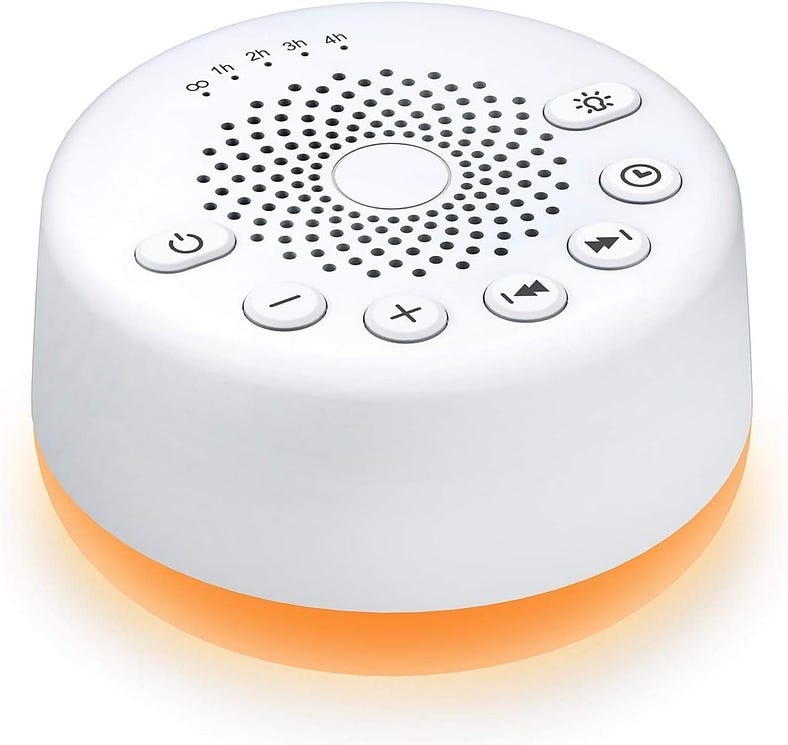
What it is: A small machine that plays constant background noise all night long.
Why it’s a lifesaver: Babies are used to noise. Inside the womb was loud — constant whooshing sounds from blood flow and digestion. Your quiet house feels weird to them.
My story: For the first week, every time my daughter finally fell asleep, something would wake her up. The dog barked. A car drove by. My phone buzzed. The fridge made a noise.
I was losing my mind.
A mom friend dropped off her old white noise machine. “Just try it,” she said.
That night, my daughter slept through our smoke alarm battery beeping. She slept through my husband dropping a pan in the kitchen. She slept through the neighbor’s dog barking at 2 AM.
I wanted to cry with relief.
The science behind it: White noise masks sudden sounds that startle babies awake. It also mimics the womb environment, which makes babies feel safe and sleepy.
What to look for:
- Runs all night without stopping (not just 30 minutes)
- Multiple sound options (white noise, rain, ocean, heartbeat)
- Adjustable volume
- Can be used with batteries or plug-in (for travel)
Price: Good ones cost $20–35. The really fancy ones with lights and timers cost $40–60.
Real results: A study found that 80% of babies fell asleep within five minutes with white noise, compared to only 25% without it.
Pro tip: Place it across the room from the crib, not right next to baby’s head. You want it loud enough to block noise but not blasting in their ears.
Amazon bestseller: The Hatch Baby Rest costs around $60 and works as white noise machine, nightlight, and time-to-rise alert as they get older.
Click Here To Read More About Baby Care
2. Blackout Curtains (For Morning Sleep-Ins)
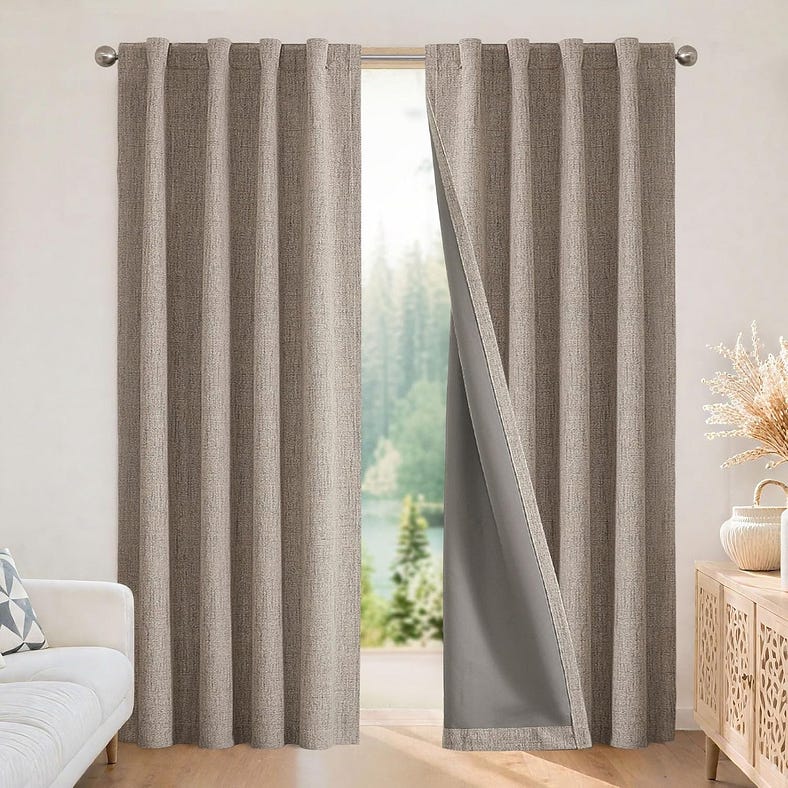
What it is: Super thick curtains that block out all light from windows.
Why you need them: Sunlight tells your baby’s brain it’s time to wake up. Even at 5:30 AM when you desperately need more sleep.
My story: My first baby’s room had regular blinds. Every single morning, she’d wake up with the sunrise. In summer, that meant 5:45 AM. Every. Single. Day.
I was a zombie.
One desperate Saturday, I ordered blackout curtains with overnight shipping. They arrived Sunday afternoon.
Monday morning, she slept until 7:15 AM. I checked the baby monitor three times because I thought something was wrong.
How they help:
- Later wake-up times (sometimes an extra 60–90 minutes)
- Better daytime naps (darkness triggers sleep hormones anytime)
- Consistent sleep schedule regardless of sunrise/sunset times
What to look for:
- Labels that say “100% blackout” (not just “room darkening”)
- Easy to install (no-drill options available)
- Machine washable
- Decent length (should cover entire window)
Price: Basic blackout curtains cost $20–35 per panel. Most windows need two panels, so budget $40–70 per window.
Money-saving tip: The cheaper ones work just as well as expensive ones. You’re blocking light, not decorating for a magazine.
Pro tip: Hang them as close to the window as possible and wider than the window frame to prevent light leaking in from the sides.
Unexpected benefit: They also help with temperature control. Block heat in summer, keep warmth in during winter. Lower energy bills.
3. Velcro Swaddles (No More Midnight Origami)
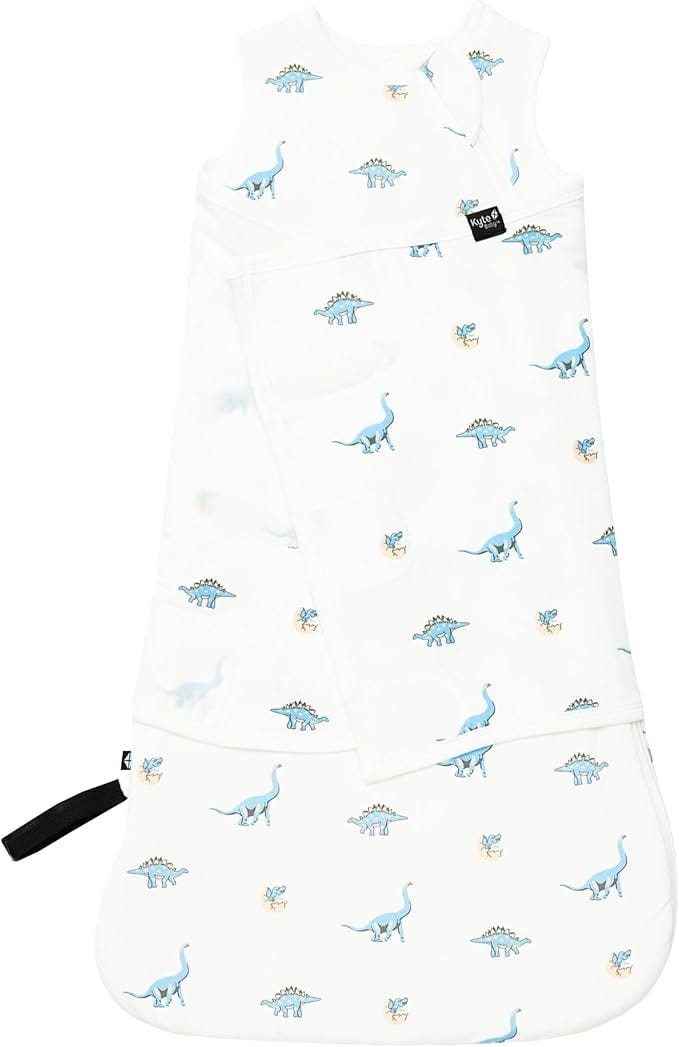
What it is: Baby blankets that wrap around your newborn with velcro instead of complicated folding.
Why they’re better than regular blankets: At 2 AM, you can’t remember how to do a proper swaddle. Your baby keeps getting their arms out. Everyone’s crying.
My story: With my first baby, I watched four YouTube videos on how to swaddle with regular blankets. I practiced on a teddy bear. I felt ready.
Then came the first night home. My daughter was crying. I was shaking from exhaustion. I tried to swaddle her and couldn’t remember which corner went where.
My husband tried. We both failed. The blanket came undone every time.
At 3 AM, I ordered velcro swaddles on my phone with same-day delivery.
How they changed everything:
- Three seconds to wrap (instead of three minutes)
- Stays on all night (baby can’t wiggle out)
- Middle-of-night diaper changes are faster (unvelcro bottom, change diaper, re-velcro)
- Less stress = everyone sleeps better
The sleep science: Babies have a startle reflex where their arms jerk randomly. This wakes them up constantly. Swaddling prevents this, which means longer sleep stretches.
What to look for:
- Size options (small for newborns, medium for 3–6 months)
- Leg room (babies need to move their hips and legs)
- Adjustable tightness (some babies like it snug, some like it looser)
- Easy diaper access (some have zippers at the bottom)
Price: Individual swaddles cost $12–18. A set of three costs $30–45.
How many to buy: Get at least three. One on baby, one in the wash, one backup for when the first two are dirty.
Important safety note: Stop swaddling when baby can roll over (usually 8–16 weeks). Switch to sleep sacks at that point.
Popular brands on Amazon: Love To Dream, Halo, SwaddleMe are all top-rated.
4. A Baby Swing or Bouncer (Your Arms’ Best Friend)
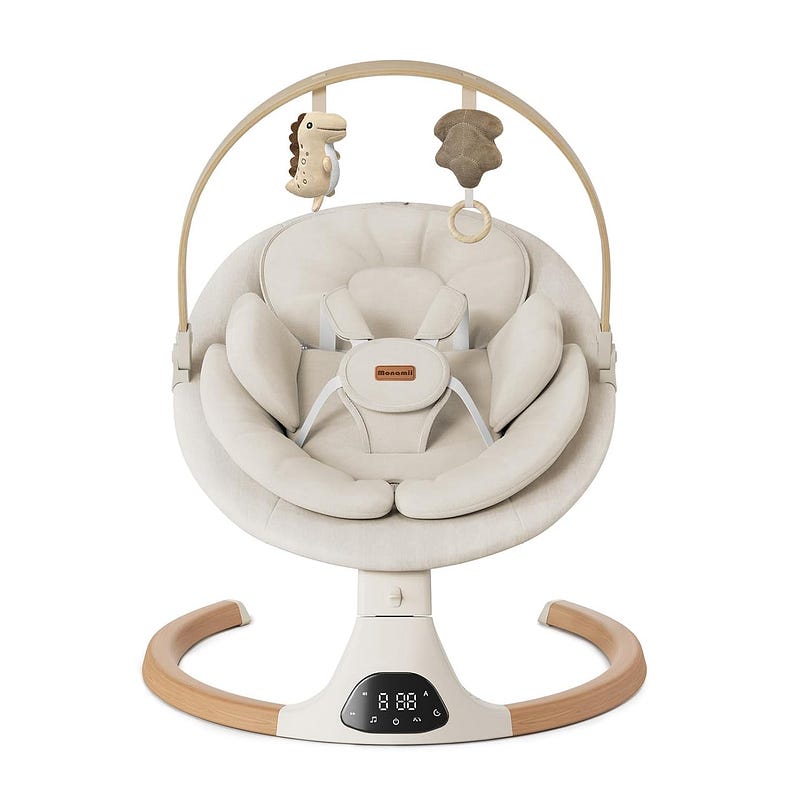
What it is: A seat that gently rocks or bounces to soothe your baby.
Why it saves your sanity: Some babies need constant movement to stay calm. Your arms get tired. Your back hurts. You need a break.
My story: My second baby would only sleep if someone was holding him and walking around. Not sitting. Walking. Constantly.
By week two, my feet hurt. My back was killing me. I was walking 6–8 hours per day just to keep him calm.
I bought a baby swing out of desperation. It had different speeds, played music, and had a gentle rocking motion.
I put him in it. Turned it on medium speed. Walked away.
He fell asleep in eight minutes.
I sat on the couch and cried with relief.
What they’re good for:
- Giving you a break to eat, shower, or just sit down
- Keeping baby calm while you do chores
- A safe place to set baby down when you need both hands
- Helping fussy babies fall asleep
Swing vs. Bouncer:
- Swings: Plug into wall, multiple speeds, play music. Cost $80–150. Better for babies who need lots of movement.
- Bouncers: Your movement bounces it, no batteries needed. Cost $30–70. Better for mild fussiness.
Real parent fact: Not all babies like swings or bouncers. Some love them, some hate them. You won’t know until you try.
What to look for:
- Multiple speed settings
- Timer function (auto-shuts off after 30 minutes)
- Easy to clean fabric (removable, machine washable)
- Stable base (won’t tip over)
Pro tip: Buy one that can be returned if your baby hates it. Keep the receipt and packaging for the first week.
Warning: Never leave baby unattended in a swing or bouncer. And never use it for overnight sleep — only for supervised naps.
5. A Baby Carrier or Wrap (Hands-Free Life Saver)
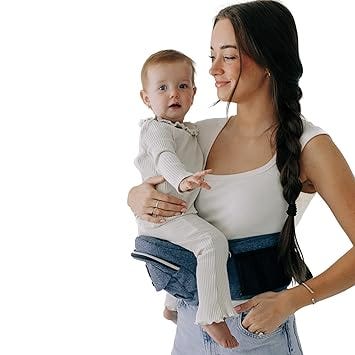
What it is: A fabric wrap or structured carrier that holds your baby against your body, leaving your hands free.
Why every sleep-deprived parent needs one: Your baby wants to be held constantly. But you need to eat, do laundry, and maybe pee at some point.
My story: I tried to do everything one-handed while holding my first baby. Making coffee one-handed. Eating standing up. Attempting to fold laundry with one hand.
It was ridiculous.
A friend came over and put me in her baby wrap. Showed me how to tie it. My daughter was secure against my chest and my hands were FREE.
I made an actual meal. With two hands. While my baby slept peacefully.
I ordered my own that day.
What they help with:
- Baby stays calm (they like being close to you)
- Your hands are free for normal activities
- Better posture than carrying baby in your arms
- You can actually leave the house and do things
Types available:
- Stretchy wraps: Long fabric you tie around yourself. Cost $30–50. Best for newborns.
- Structured carriers: Has buckles and padding. Cost $50–150. Better for older babies (3+ months).
- Ring slings: Fabric with rings for adjustment. Cost $40–80. Quick to put on.
What to look for:
- Comfortable straps (padded is better)
- Breathable fabric (babies get hot)
- Weight limit that covers newborn through toddler
- Easy to adjust while wearing it
Learning curve: First time using any carrier feels awkward. Watch videos, practice with a stuffed animal first, then try with your baby while sitting on the couch.
Real testimonial: “I wore my baby for 3–4 hours every day. It was the only way I could get anything done. I lived in that carrier for six months.” — Mom of twins
Popular Amazon options: Baby K’tan, Ergobaby, Moby Wrap all have thousands of positive reviews.
6. A Video Baby Monitor (For Peace of Mind)
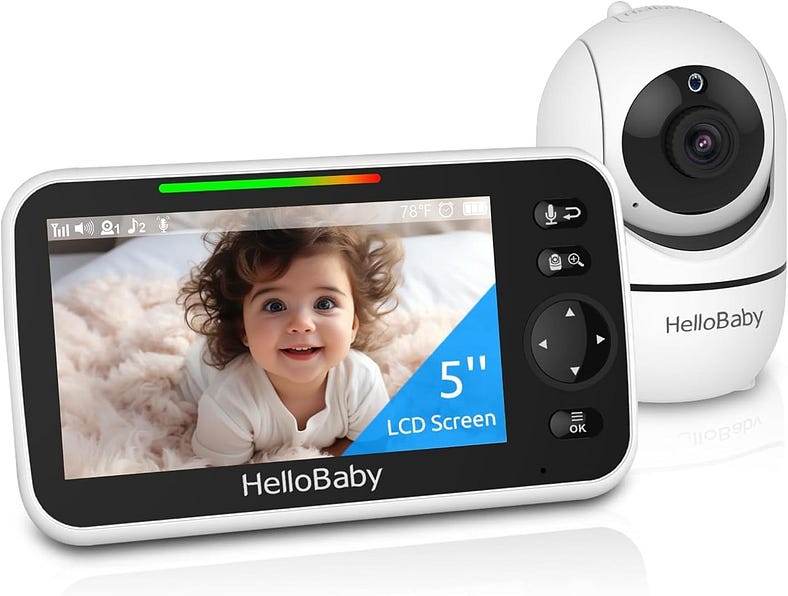
What it is: A camera that lets you see your baby from anywhere in the house.
Why it helps you sleep better: You can’t sleep if you’re constantly getting up to check if the baby’s still breathing. A video monitor lets you check from bed.
My story: With audio-only monitors, I’d lie awake listening to static, trying to figure out if that sound was my baby or just the monitor.
I’d get up and check. Baby was fine, sleeping peacefully. I’d ruined my own sleep for nothing.
With a video monitor, I could just glance at the screen. Baby sleeping? Good, I can sleep too.
What you gain:
- See if baby is actually crying or just making sleep noises
- Check if they’re too hot or too cold without going in the room
- Watch them without waking them up
- Know immediately if something’s actually wrong
What to look for:
- Clear night vision (you need to see in the dark)
- Temperature display (helps you know if room is too hot/cold)
- Two-way talk feature (you can talk to baby without going in)
- Good range (works throughout your whole house)
- Long battery life on the parent unit
Price range: Basic video monitors cost $50–80. Smart monitors with phone apps cost $100–200. WiFi-connected ones cost $150–300.
Which to buy: Basic video monitors work great for most people. WiFi monitors are nice but not necessary.
Battery tip: Get one where the parent screen can stay plugged in at your bedside. Constantly charging dead monitors at 3 AM is annoying.
Pro tip: Set it up before baby comes. Test the range. Make sure it reaches everywhere you’ll be in the house.
7. Sleep Sacks (For After They Outgrow Swaddles)
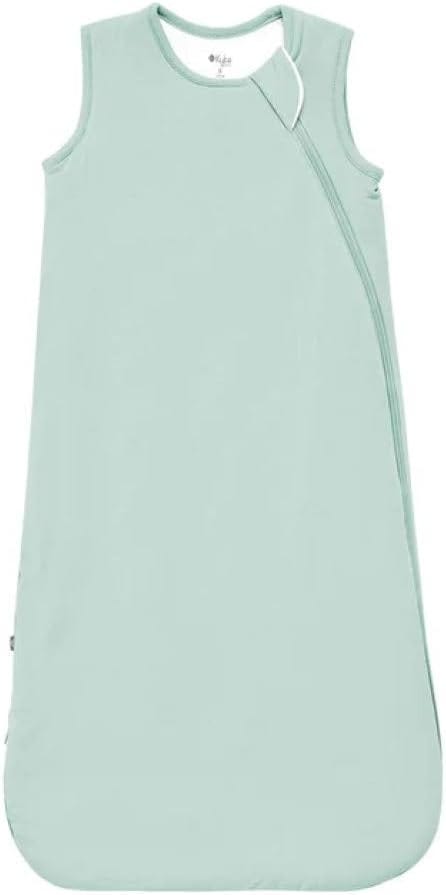
What it is: Wearable blankets that zip up, keeping baby warm without loose blankets in the crib.
When you need them: Once baby can roll over (8–16 weeks), you have to stop swaddling. But they still need to stay warm.
My story: The first night I couldn’t swaddle my son anymore (he’d learned to roll), I just put him in pajamas. No blanket, no swaddle.
He woke up every 45 minutes because he was cold.
I bought sleep sacks the next day. That night, he slept three-hour stretches again.
Why they work:
- Keep baby warm without dangerous loose blankets
- Baby can move their arms freely (safe once they can roll)
- Can’t be kicked off (unlike blankets)
- Easy diaper changes (zipper goes from top to bottom)
What to look for:
- Right TOG rating (0.5 for summer, 1.0 for spring/fall, 2.5 for winter)
- Proper size (too big is dangerous, too small doesn’t work)
- Two-way zipper (makes night changes easier)
- Roomy bottom (so baby can move legs)
Price: Good sleep sacks cost $15–30 each. Get 2–3 so you always have a clean one.
Sizing tip: They should fit snug around arms/neck but loose around legs. Follow the package size guidelines carefully.
Popular brands: Halo, Nested Bean, and Woolino all have excellent reviews on Amazon.
8. A Diaper Caddy (For Faster Night Changes)
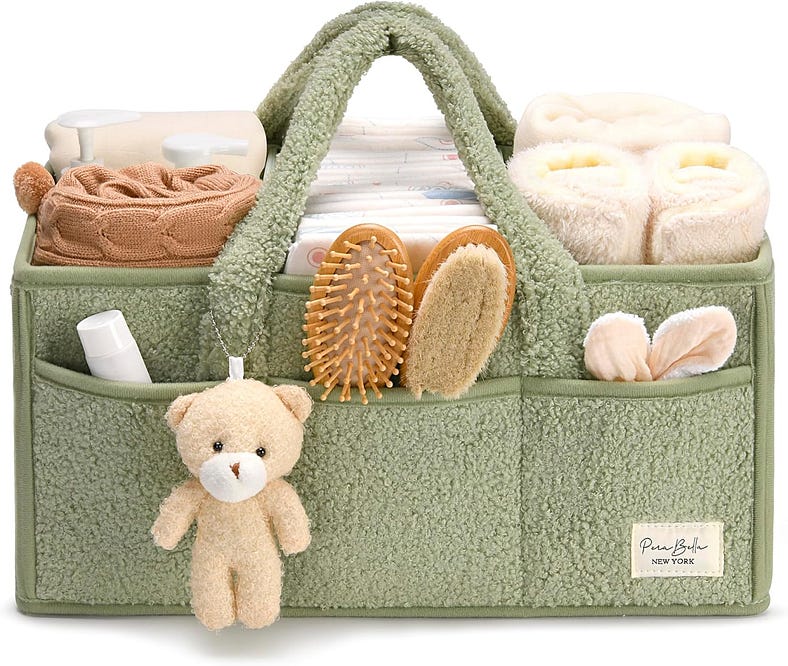
What it is: A portable basket that holds all diaper-changing supplies in one place.
Why it matters at night: When you’re changing diapers at 2 AM, you don’t want to search for wipes, or realize the cream is downstairs, or discover you’re out of diapers.
My story: During the first week, I’d get up for a night change and realize I forgot to restock diapers. Had to go downstairs to the nursery. Turn on bright lights. By the time I finished, the baby was wide awake and I was fully awake.
I started keeping a diaper caddy right next to my bed with everything I needed. Night changes took two minutes in the dark instead of 15 minutes under bright lights.
What to keep in it:
- 10–15 diapers
- Pack of wipes
- Diaper cream
- Change of clothes
- Burp cloth
- Hand sanitizer
- Diaper bags (for dirty diapers)
What to look for:
- Carry handle (so you can move it easily)
- Multiple compartments (keeps things organized)
- Washable (baby stuff gets messy)
- Sturdy bottom (won’t tip over)
Price: Basic ones cost $15–25. Fancier organized ones cost $30–50.
Where to keep them: One in the nursery, one in your bedroom, one in the living room. Wherever you spend time.
Time saved: Instead of walking to the changing table every time, you can change baby right where you are. Saves countless steps per day.
9. Instant Formula Dispenser (For Formula Feeders)
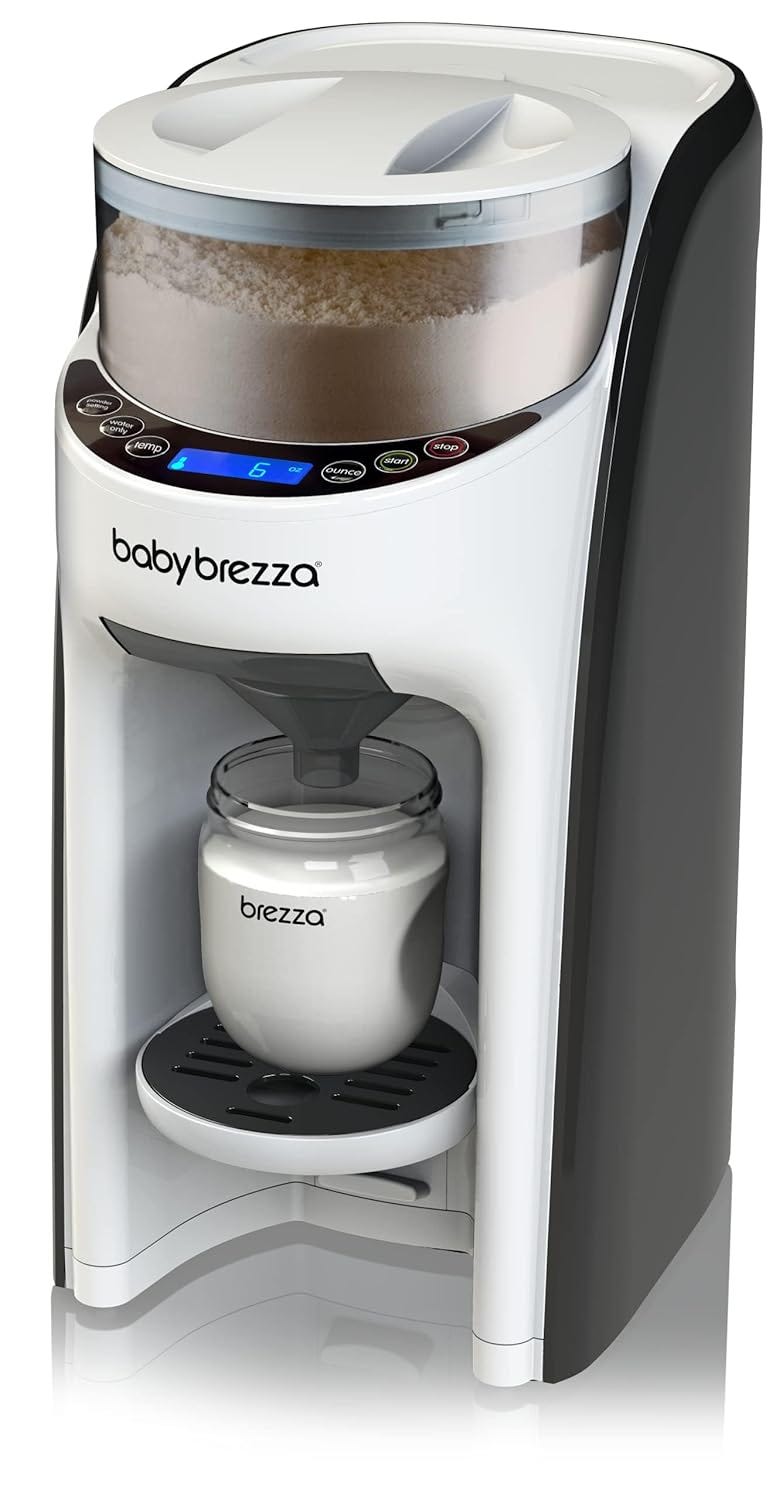
What it is: A container that holds pre-measured formula powder for quick bottle prep.
Why it’s essential: Making bottles at 3 AM requires counting scoops while you’re half asleep. You’ll lose count. You’ll mess up. The baby is screaming.
My story: I once made a 3 AM bottle with seven scoops instead of four because I lost count. My daughter drank it and had terrible gas all morning.
I bought a formula dispenser that holds three pre-measured servings. No counting. No thinking. Just dump and shake.
How they work:
- Fill each compartment with the right amount of formula
- When baby needs a bottle, dump one compartment into the bottle
- Add water, shake, done
Time saved: Making a bottle goes from 3–4 minutes to 30 seconds.
What to look for:
- Stackable compartments (usually holds 3–4 servings)
- Wide opening (easy to fill)
- Spill-proof (for keeping in diaper bag)
- Easy to clean
Price: Most cost $8–15. Very cheap for the convenience.
Pro tip: Fill all compartments every evening before bed. Then night bottles are super fast.
Travel benefit: These are perfect for going out. Pre-measured formula, just need to add water.
10. A Bottle Warmer (Optional But Nice)
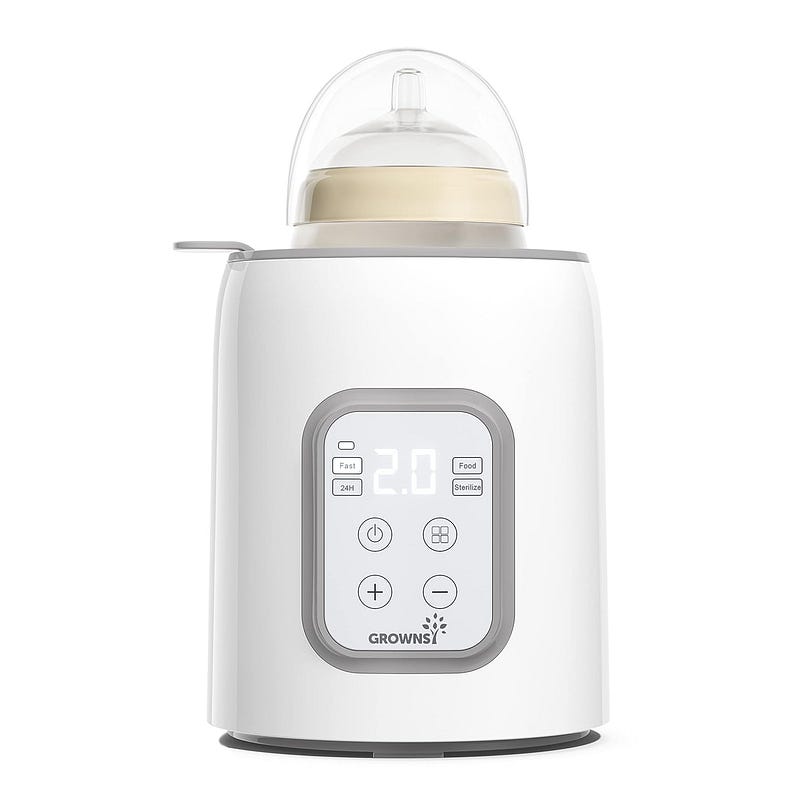
What it is: A small machine that heats bottles to the perfect temperature in 3–5 minutes.
Whether you need it: Not essential. You can warm bottles in warm water. But when you’re exhausted, every minute counts.
My story: At first, I warmed bottles by running them under hot water. It took forever. The water temperature was inconsistent. Sometimes the bottle was too hot, sometimes too cold.
My husband bought a bottle warmer without asking me. I thought it was a waste.
Then I used it. Push one button. Perfectly warm bottle in three minutes. Every single time.
I apologized for doubting him.
What it does:
- Heats bottles evenly to safe temperature
- Faster than water bath method
- No guessing if it’s the right temperature
- Some models have preset timings for different bottle sizes
What to look for:
- Fast heating (under 5 minutes)
- Fits your bottle brand
- Auto shut-off (safety feature)
- Doesn’t beep loudly (won’t wake baby)
Price: Basic ones cost $20–35. Advanced ones with settings cost $40–70.
Real talk: This is a luxury, not a necessity. But when you’re heating six bottles a day, it’s a nice luxury.
What Actually Matters for Sleep
After three kids, I’ve learned something important: baby products don’t create sleep. But the right ones remove obstacles to sleep.
The real sleep helpers:
- Things that keep baby comfortable (swaddles, sleep sacks, white noise)
- Things that make your job easier (carriers, swings, caddies)
- Things that give you peace of mind (monitors, blackout curtains)
What doesn’t help:
- Expensive gadgets that promise miracles
- Complicated systems you’re too tired to use
- Stuff that creates more work instead of less
My Real Amazon Shopping List for Sleep-Deprived Parents
If I had to start over and could only buy 5 things from this list:
- White noise machine ($30) — Single biggest sleep improver
- Blackout curtains ($50) — Extra morning sleep is priceless
- Velcro swaddles — 3 pack ($40) — Essential for newborn sleep
- Baby carrier ($45) — Saves your arms and sanity
- Video monitor ($75) — Peace of mind = better sleep for you
Total: $240 for the core items that genuinely help with sleep.
The Truth About Baby Sleep
No product will make your baby sleep through the night at two weeks old. That’s developmentally impossible for most babies.
But these products will:
- Help your baby sleep longer stretches
- Make night wakings faster and easier
- Let you get more rest between wakings
- Reduce the stress that makes sleep deprivation worse
Realistic expectations:
- Newborns (0–3 months): 2–4 hour sleep stretches
- 3–6 months: 4–6 hour stretches (some longer)
- 6–12 months: 6–8 hour stretches (many sleep through)
The products on this list won’t magically give you eight hours of uninterrupted sleep overnight. But they’ll help you go from surviving to functioning.
Final Tips From a Mom Who’s Been There
Buy what you need now, not what you might need later. Don’t stockpile stuff for six-month-olds when you have a newborn.
Amazon Prime is worth it. Two-day (or same-day) shipping saves you when you realize you need something immediately.
Read reviews from parents, not experts. Other tired parents will tell you what actually works.
Keep receipts and boxes. Some babies hate products other babies love. Return what doesn’t work.
Don’t feel guilty about using products. Wearing your baby in a carrier isn’t spoiling them. Using a swing isn’t lazy parenting. Do what works.
You Will Sleep Again
I know it doesn’t feel like it at 4 AM when you’ve been awake for 20 hours. But you will sleep again.
These products won’t fix everything. But they’ll make the sleep-deprived phase more manageable.
Your baby won’t remember whether you used a fancy bassinet or a simple one. But you’ll remember feeling less exhausted. And that matters.
Three kids later, these are the items still sitting in my Amazon purchase history with “would buy again” in my mental notes.
Not because they’re perfect. But because they worked when I needed them most.
And sometimes, that’s all you can ask for.