I came home from work exhausted during my second diverticulitis flare-up.
My stomach hurt. I was tired. The last thing I wanted to do was stand in the kitchen cooking.
But I needed to eat. And I needed to eat the RIGHT foods to help me heal.
I stared at my slow cooker sitting in the cabinet. I’d gotten it as a wedding gift three years ago. Used it maybe twice.
That night, I threw chicken breast, carrots, and broth in it. Set it on low. Went to bed.
Eight hours later, I had the most tender, easy-to-digest chicken I’d ever eaten.
That slow cooker became my best friend. For flare-ups. For recovery. For maintenance.
Here are 15 recipes that got me through the hard times and keep me healthy now.
Why Slow Cookers Are Perfect for Diverticulitis
Slow cooking does something magical. It breaks down everything.
What happens during slow cooking:
- Meat becomes incredibly tender (easy to digest)
- Vegetables get soft (gentle on your stomach)
- Flavors blend together (everything tastes better)
- You do almost no work (just dump and go)
During a flare-up: You need soft, tender food. Slow cookers make everything soft.
After healing: You need high-fiber meals. Slow cookers make beans and vegetables delicious.
Best part: Dump ingredients in the morning. Come home to ready dinner. No thinking required.
The Rules I Follow
Rule 1: During flare-ups, no high-fiber ingredients. No beans. No whole grains. Just soft stuff.
Rule 2: After healing, load up on fiber. Beans, vegetables, brown rice.
Rule 3: Always remove chicken skin before cooking. Fat can cause issues.
Rule 4: Cut everything small. Easier to digest.
Rule 5: Don’t open the lid to check. Every time you open it, you add 20 minutes of cooking time.
Now let’s get to the recipes.
Low-Fiber Recipes (During Flare-Ups)
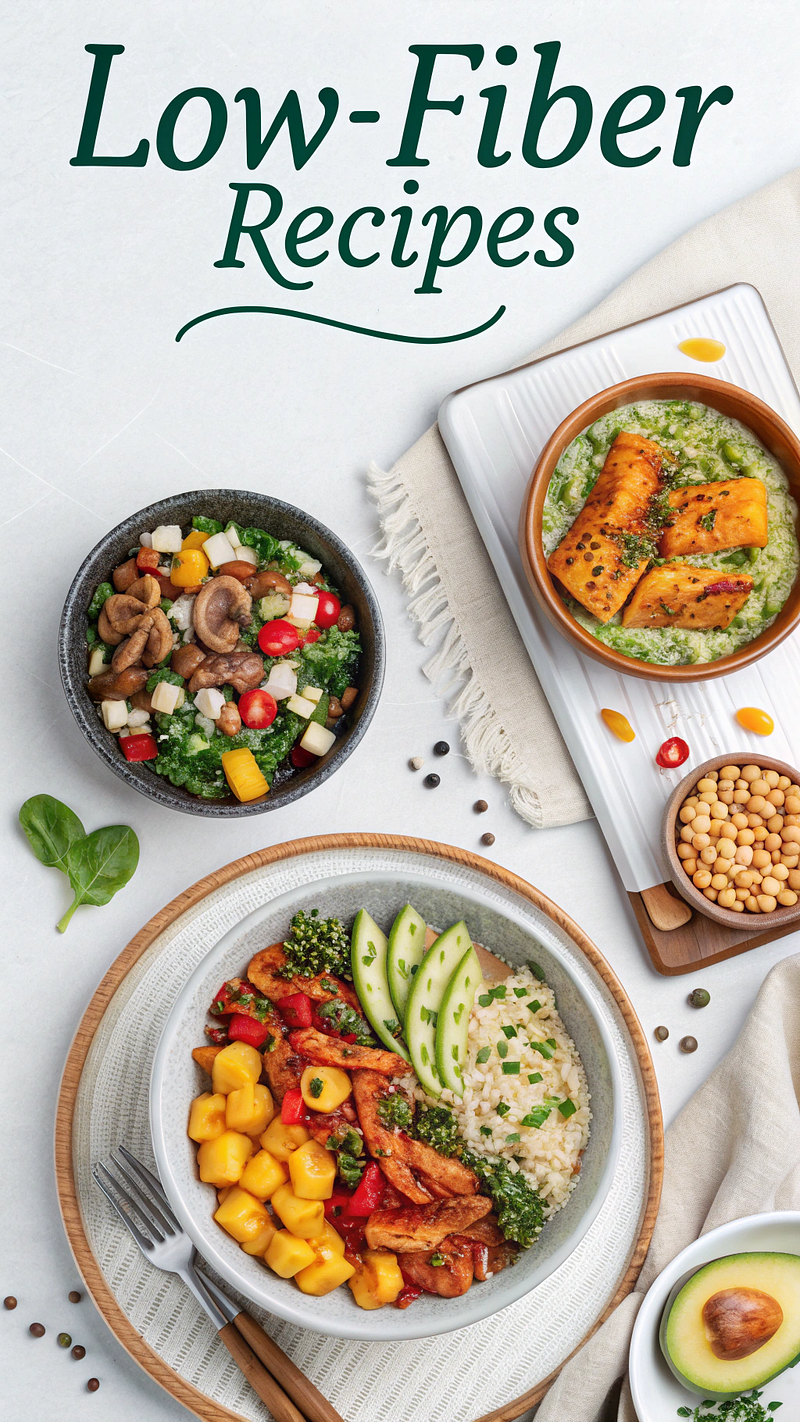
These five recipes saved me when I was in pain and couldn’t eat much.
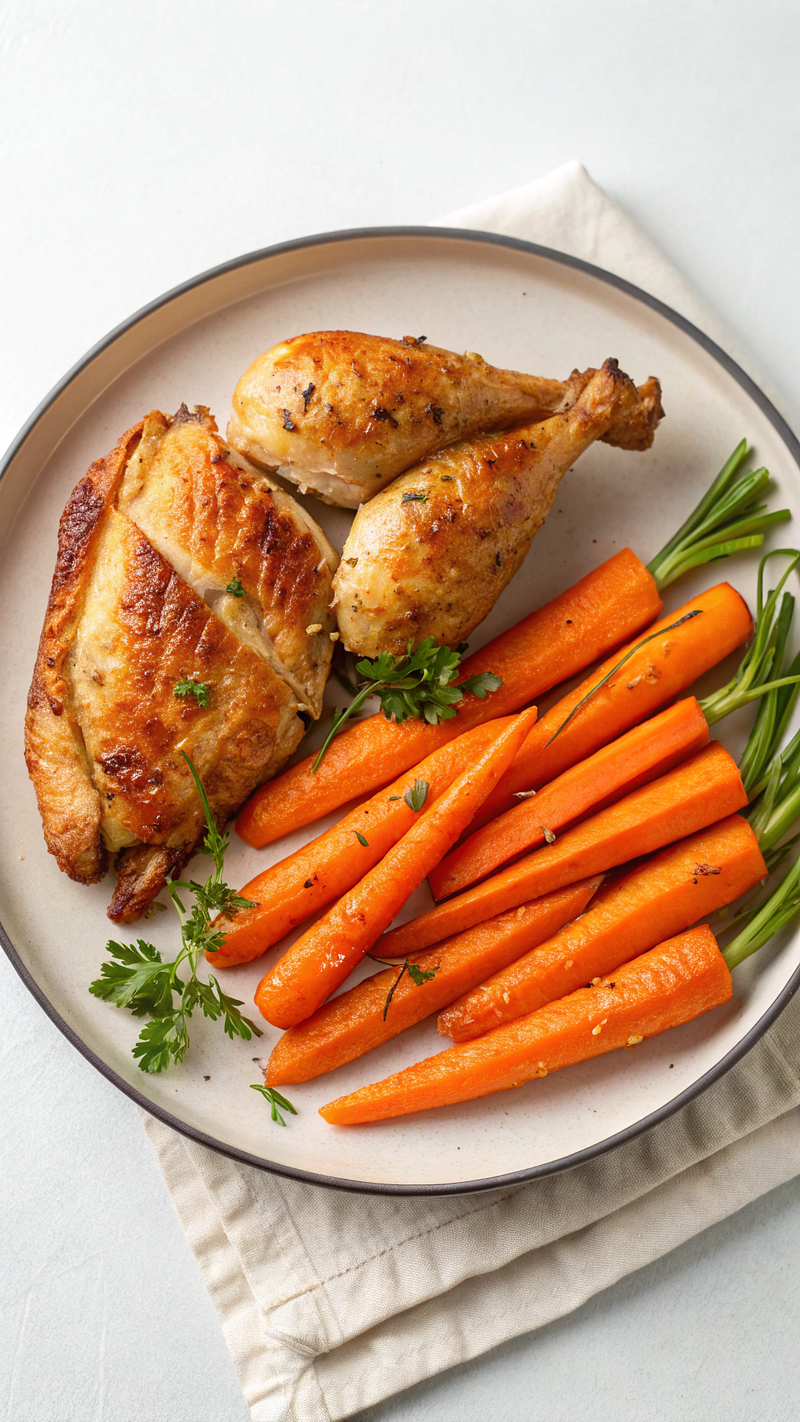
1. Simple Chicken and Carrots
Best for: First few days after a flare-up starts
Ingredients:
- 4 chicken breasts (boneless, skinless)
- 4 carrots (peeled, cut into chunks)
- 4 cups chicken broth (low sodium)
- 1 teaspoon salt
- 1/2 teaspoon black pepper
How to make it:
- Put everything in the slow cooker
- Cook on low for 6–8 hours
- Shred the chicken with two forks
- Serve chicken and carrots with the broth
Why it works: Everything gets super tender. Easy to chew and digest. The broth is soothing.
My experience: This was my go-to during every flare-up. I ate it for three days straight once.
Fiber: About 2 grams per serving
Serves: 4 people
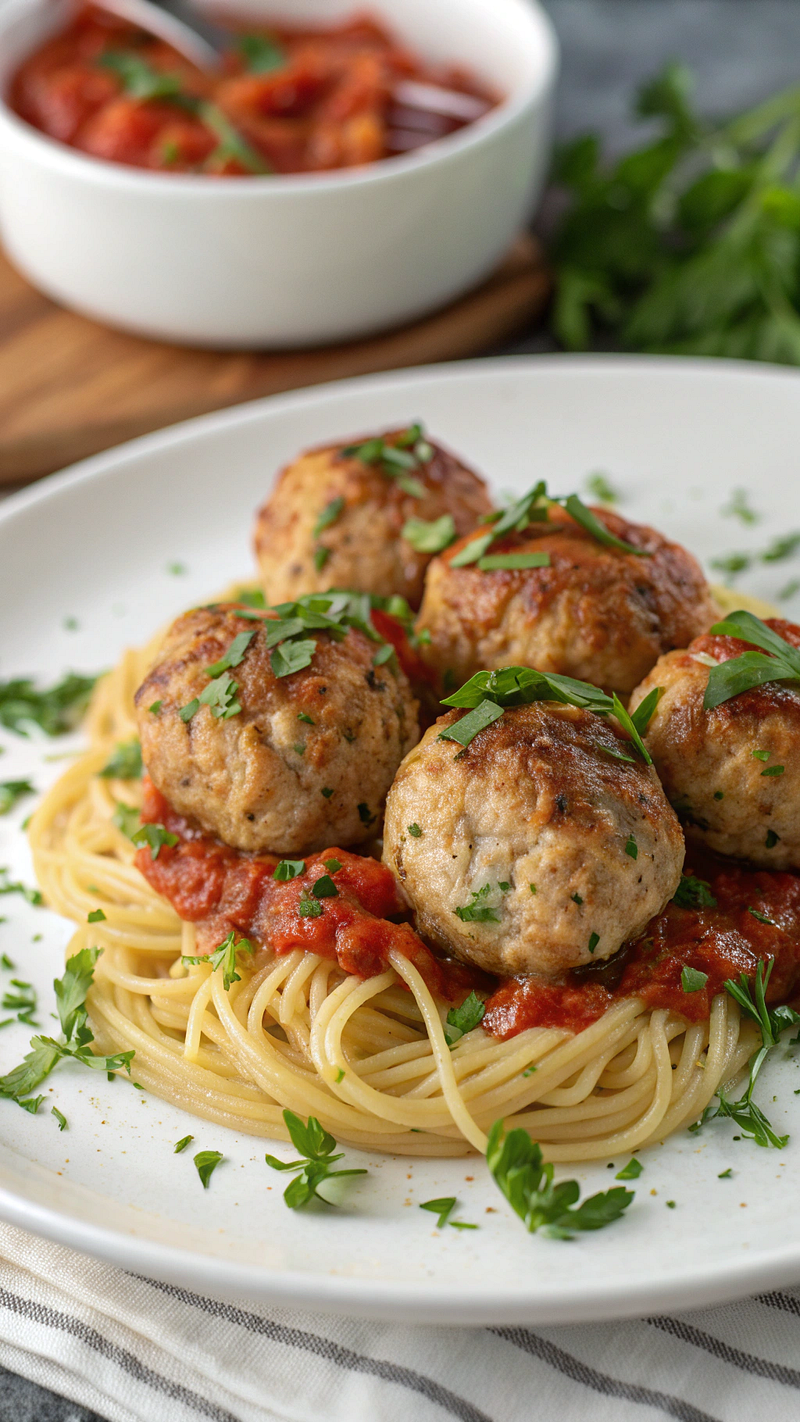
2. Tender Turkey Meatballs
Best for: When you want something different from chicken
Ingredients:
- 1 pound ground turkey
- 1/2 cup white bread crumbs
- 1 egg
- 2 cups chicken broth
- 1 teaspoon Italian seasoning
- Salt and pepper
How to make it:
- Mix turkey, bread crumbs, egg, and seasonings
- Form into small meatballs (about 1 inch)
- Place in slow cooker
- Pour broth over them
- Cook on low for 4–5 hours
Why it works: Ground meat is easier to digest than whole pieces. Meatballs stay moist in the broth.
Serving suggestion: Serve over white rice with extra broth poured on top.
My tip: Make them small. Easier to eat when your stomach is sensitive.
Fiber: About 1 gram per serving
Serves: 4 people
3. Soft Fish Stew
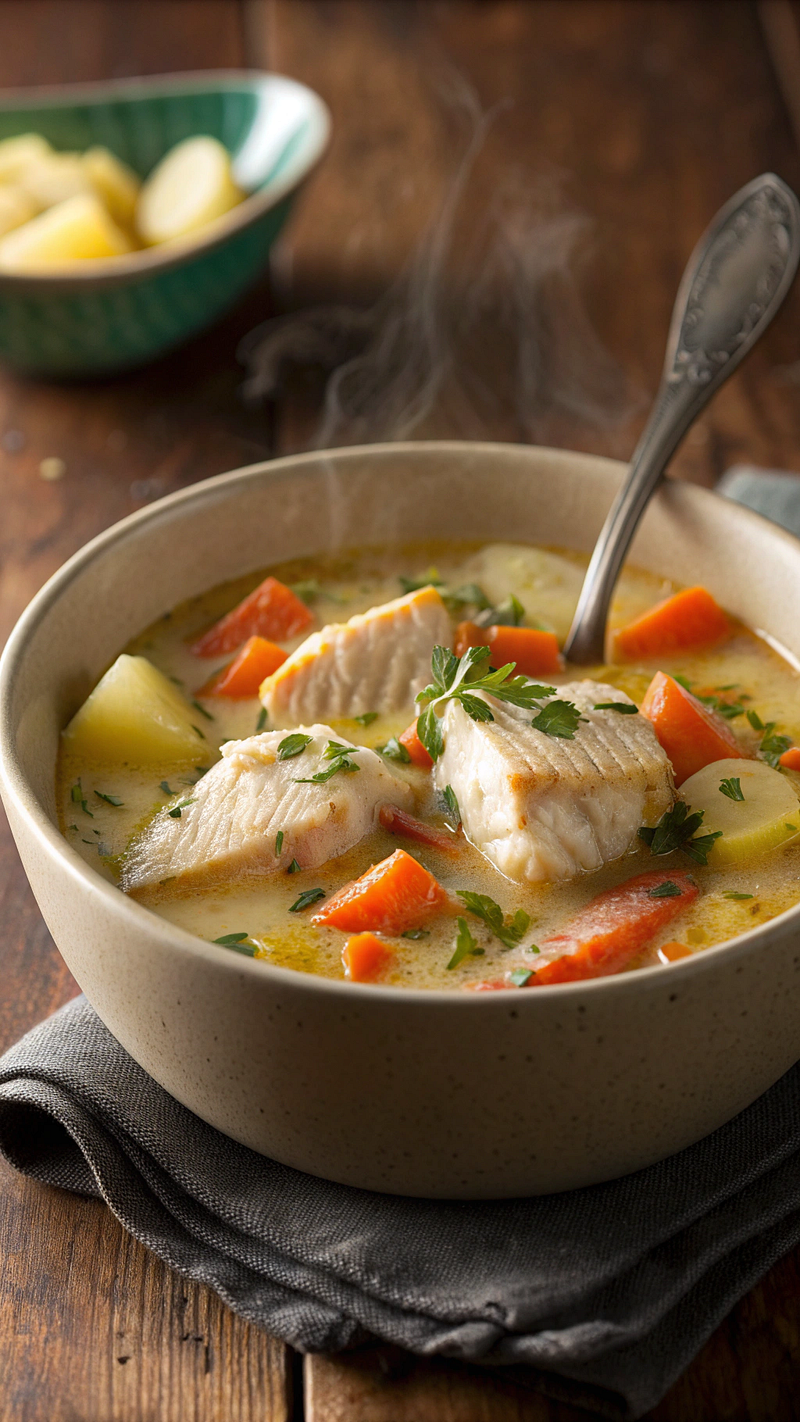
Best for: When you need protein but chicken is boring
Ingredients:
- 1 pound white fish (cod or tilapia)
- 3 potatoes (peeled, diced small)
- 3 carrots (peeled, diced small)
- 4 cups fish or chicken broth
- 1 teaspoon dill
- Salt and pepper
How to make it:
- Put potatoes and carrots in slow cooker
- Add broth and seasonings
- Cook on low for 5 hours
- Add fish pieces for the last 30 minutes
- Fish will flake apart easily when done
Why it works: Fish is very easy to digest. Everything cooks into a soft stew.
My experience: I discovered this when I got tired of poultry. The fish basically melts.
Important: Don’t overcook the fish. Add it at the end or it falls apart completely.
Fiber: About 3 grams per serving
Serves: 4 people
4. Chicken and White Rice Porridge
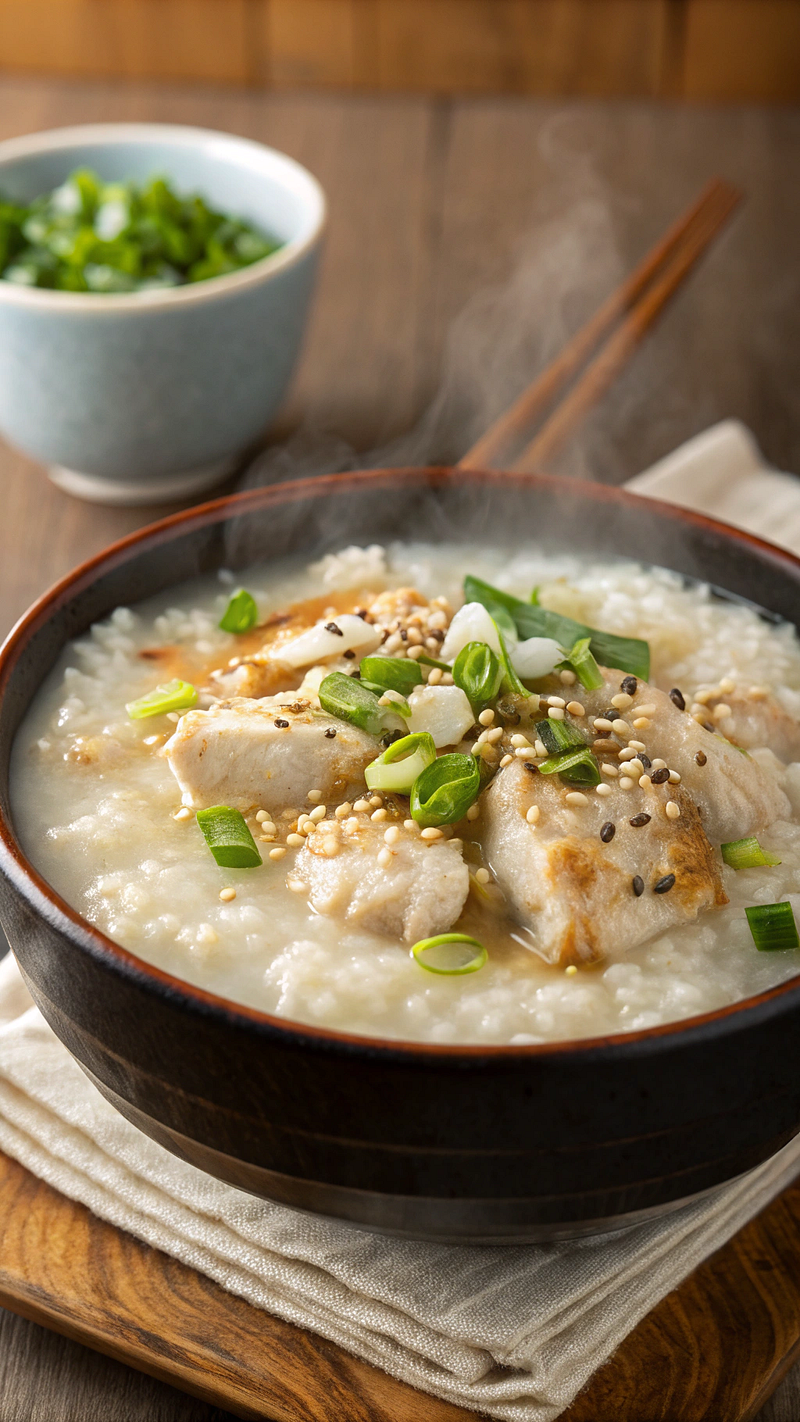
Best for: Really bad flare-up days when you need something very gentle
Ingredients:
- 2 chicken breasts (boneless, skinless)
- 1 cup white rice
- 6 cups chicken broth
- 1 teaspoon ginger (fresh or powder)
- Salt to taste
How to make it:
- Put chicken in slow cooker
- Add rice, broth, and ginger
- Cook on low for 6–7 hours
- Shred chicken
- Stir everything together into a porridge
Why it works: This is like comfort food for your stomach. Everything breaks down into soft mush.
My memory: My mom made something like this when I was sick as a kid. It’s soothing.
Consistency: Should be thick like porridge, not soup. Add more broth if needed.
Fiber: About 1 gram per serving
Serves: 4–6 people
5. Beef Tips (Very Tender)
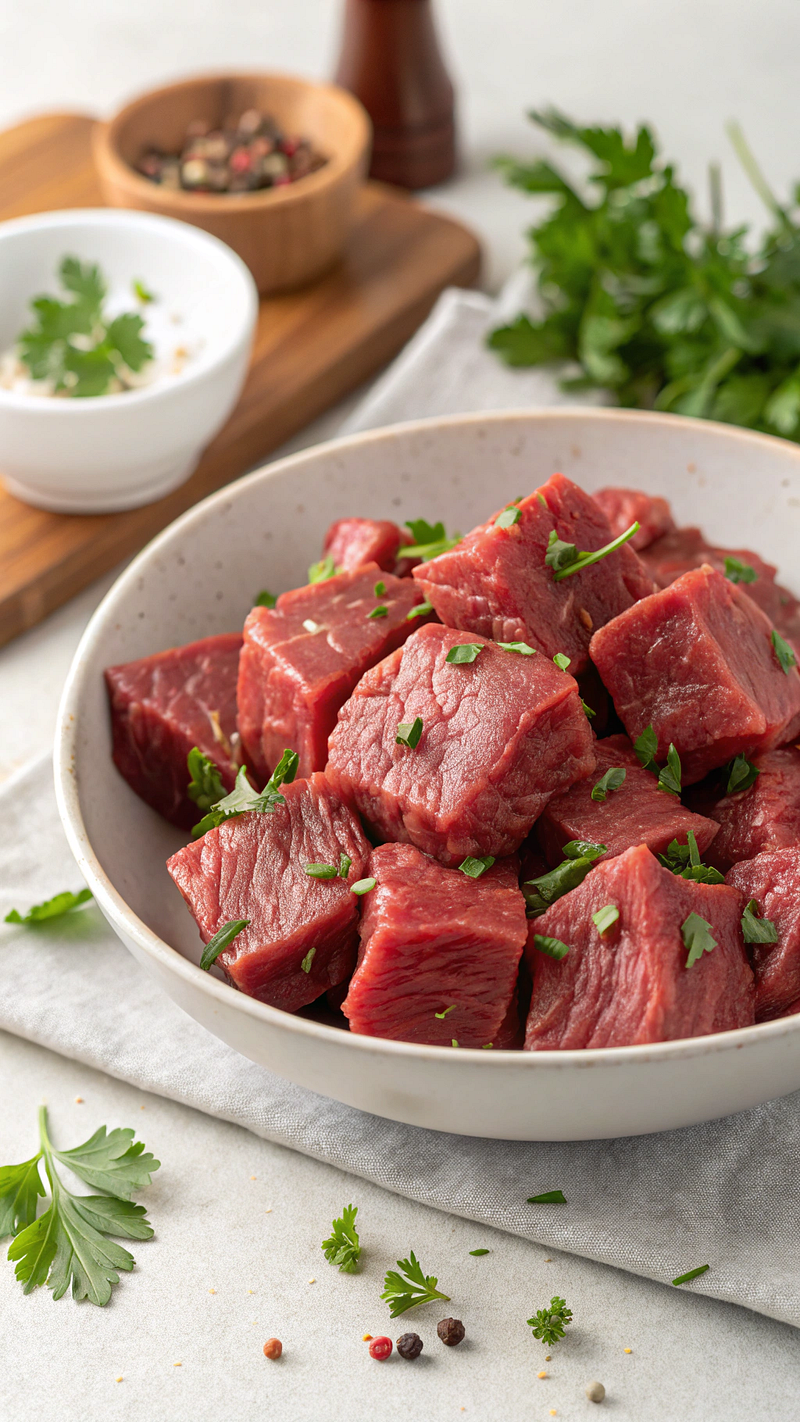
Best for: Late recovery when you can handle a little red meat
Ingredients:
- 1 pound beef stew meat (cut small)
- 3 potatoes (peeled, cubed)
- 2 carrots (peeled, sliced)
- 2 cups beef broth
- 1 tablespoon cornstarch mixed with 2 tablespoons water
- Salt and pepper
How to make it:
- Put beef, potatoes, carrots in slow cooker
- Pour broth over everything
- Season with salt and pepper
- Cook on low for 8 hours
- Add cornstarch mixture last 15 minutes to thicken
Why it works: Long cooking makes the beef fall-apart tender. Easier to digest than regular steak.
Important note: Only eat this late in recovery. Red meat can trigger problems if you eat it too early.
My rule: I wait until I’ve been pain-free for at least 10 days before eating this.
Fiber: About 3 grams per serving
Serves: 4 people
High-Fiber Recipes (After Healing)
Once I was healed, these recipes helped me stay healthy and prevent future flare-ups.
6. Chicken and White Bean Chili
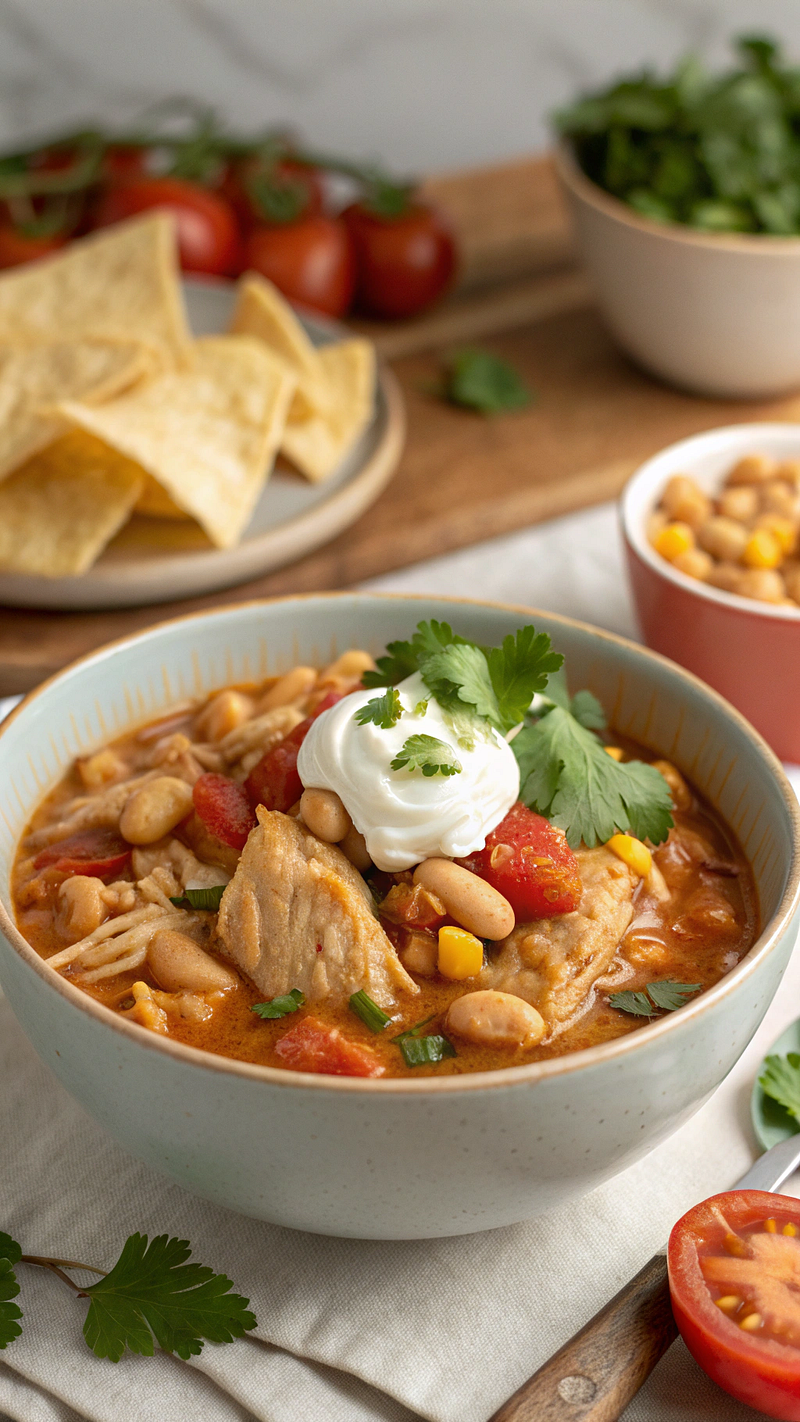
Best for: Maintenance phase, cold weather
Ingredients:
- 3 chicken breasts
- 2 cans white beans (drained, rinsed)
- 1 onion (diced)
- 1 bell pepper (diced)
- 2 cups chicken broth
- 1 teaspoon cumin
- 1 teaspoon chili powder
- Salt and pepper
How to make it:
- Put everything in slow cooker
- Cook on low for 6 hours
- Shred chicken
- Stir and serve
Why it works: Beans are fiber powerhouses. Chicken adds protein.
Fiber per serving: About 12 grams
My tip: Top with avocado for healthy fats.
Serves: 6 people
7. Lentil and Vegetable Soup
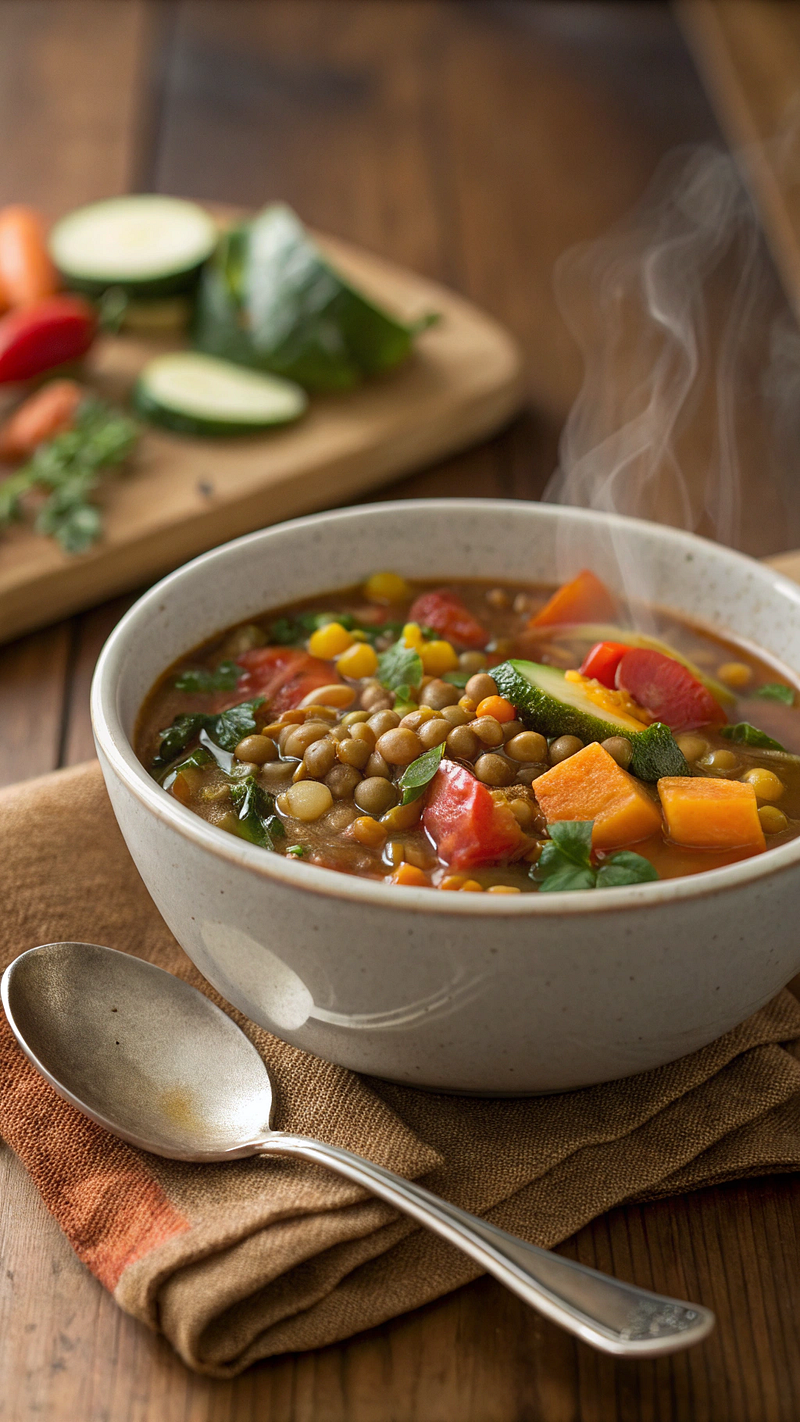
Best for: Maximum fiber in one meal
Ingredients:
- 2 cups dried lentils (rinsed)
- 3 carrots (diced)
- 2 celery stalks (diced)
- 1 onion (diced)
- 6 cups vegetable broth
- 1 can diced tomatoes
- 2 teaspoons Italian seasoning
- Salt and pepper
How to make it:
- Put everything in slow cooker
- Stir well
- Cook on low for 7–8 hours
- Lentils should be soft
Why it works: Lentils have tons of fiber. Vegetables add more. This is prevention in a bowl.
Fiber per serving: About 15 grams
My experience: I eat this once a week. Haven’t had a flare-up since I started.
Pro tip: Freezes great. Make big batch, freeze portions.
Serves: 8 people
8. Turkey and Black Bean Stew
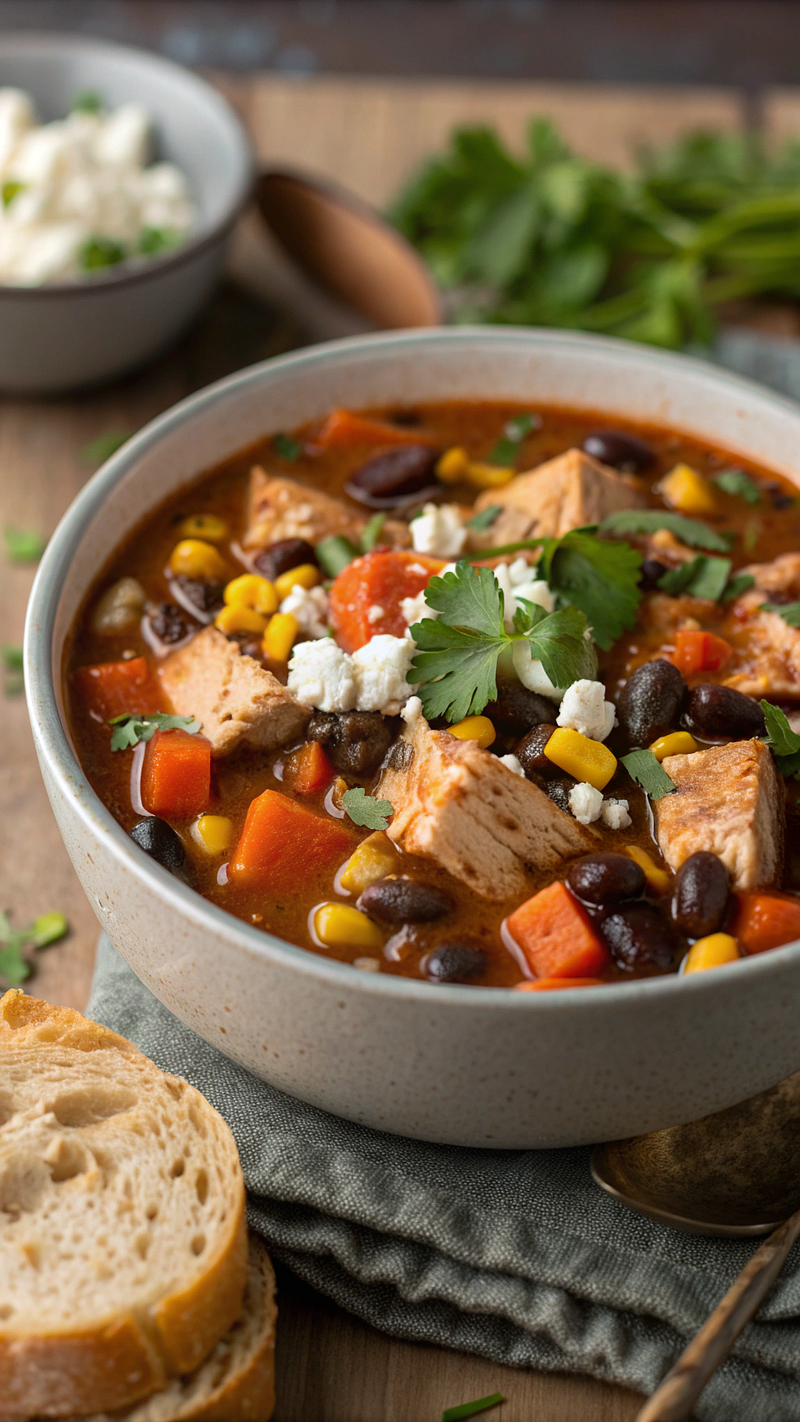
Best for: Hearty, filling, high-fiber dinner
Ingredients:
- 1 pound ground turkey
- 2 cans black beans (drained)
- 1 can diced tomatoes
- 1 onion (diced)
- 2 bell peppers (diced)
- 3 cups chicken broth
- 2 teaspoons cumin
- 1 teaspoon paprika
- Salt and pepper
How to make it:
- Brown turkey in a pan first (optional but better)
- Add everything to slow cooker
- Cook on low for 6 hours
- Stir and serve
Why it works: Black beans are high-fiber. Turkey is lean protein.
Fiber per serving: About 11 grams
Serving idea: Serve over brown rice for even more fiber.
Serves: 6 people
9. Quinoa Stuffed Peppers
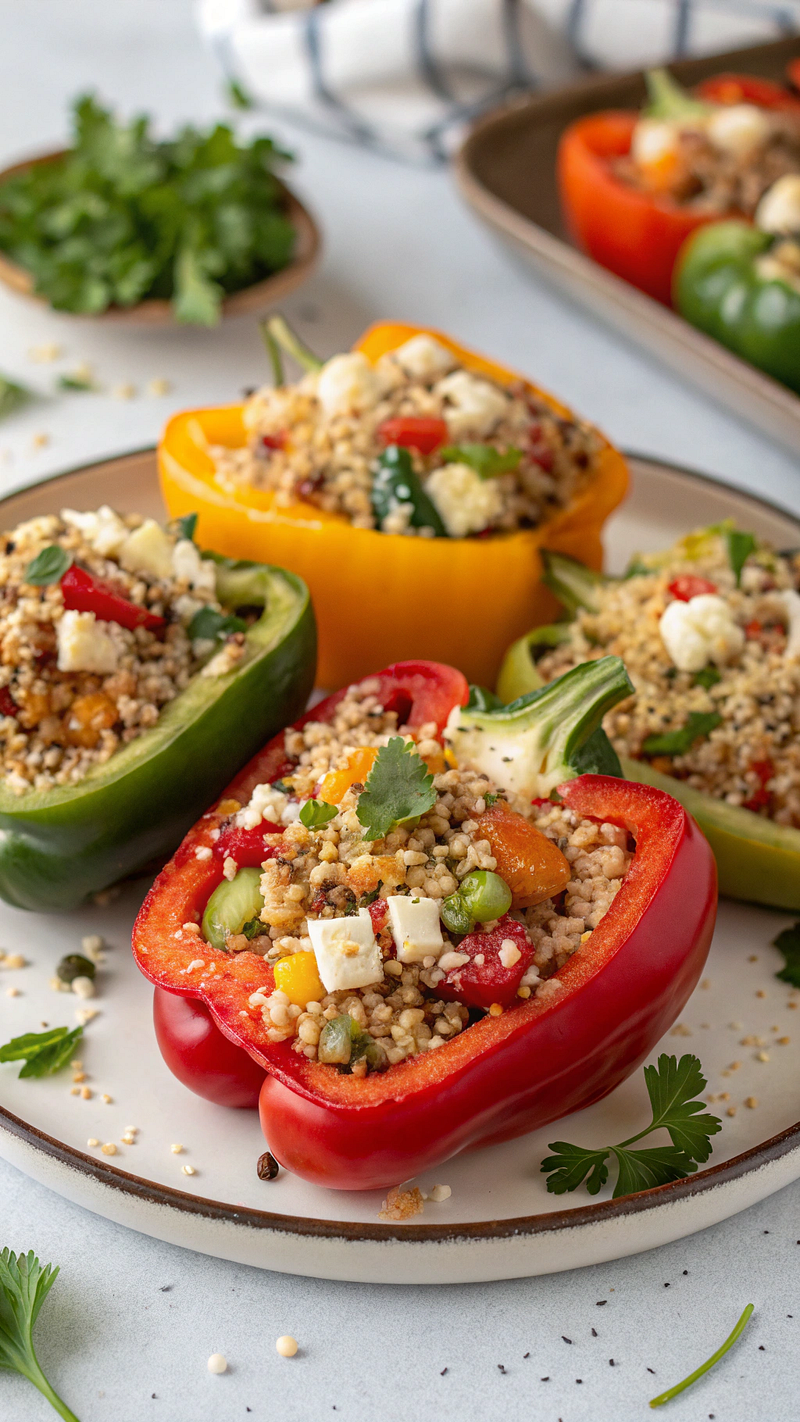
Best for: Vegetarian high-fiber meal
Ingredients:
- 6 bell peppers (tops cut off, seeds removed)
- 2 cups cooked quinoa
- 1 can black beans
- 1 can corn (drained)
- 1 cup tomato sauce
- 1 teaspoon cumin
- Shredded cheese (optional)
How to make it:
- Mix quinoa, beans, corn, half the tomato sauce, and cumin
- Stuff mixture into peppers
- Place stuffed peppers in slow cooker
- Pour remaining sauce over tops
- Cook on low for 4–5 hours
- Add cheese on top last 15 minutes if using
Why it works: Quinoa and beans both high-fiber. Peppers add vegetables.
Fiber per serving: About 10 grams
My tip: Make sure slow cooker is big enough to fit all peppers standing up.
Serves: 6 people
10. Chicken and Brown Rice with Vegetables
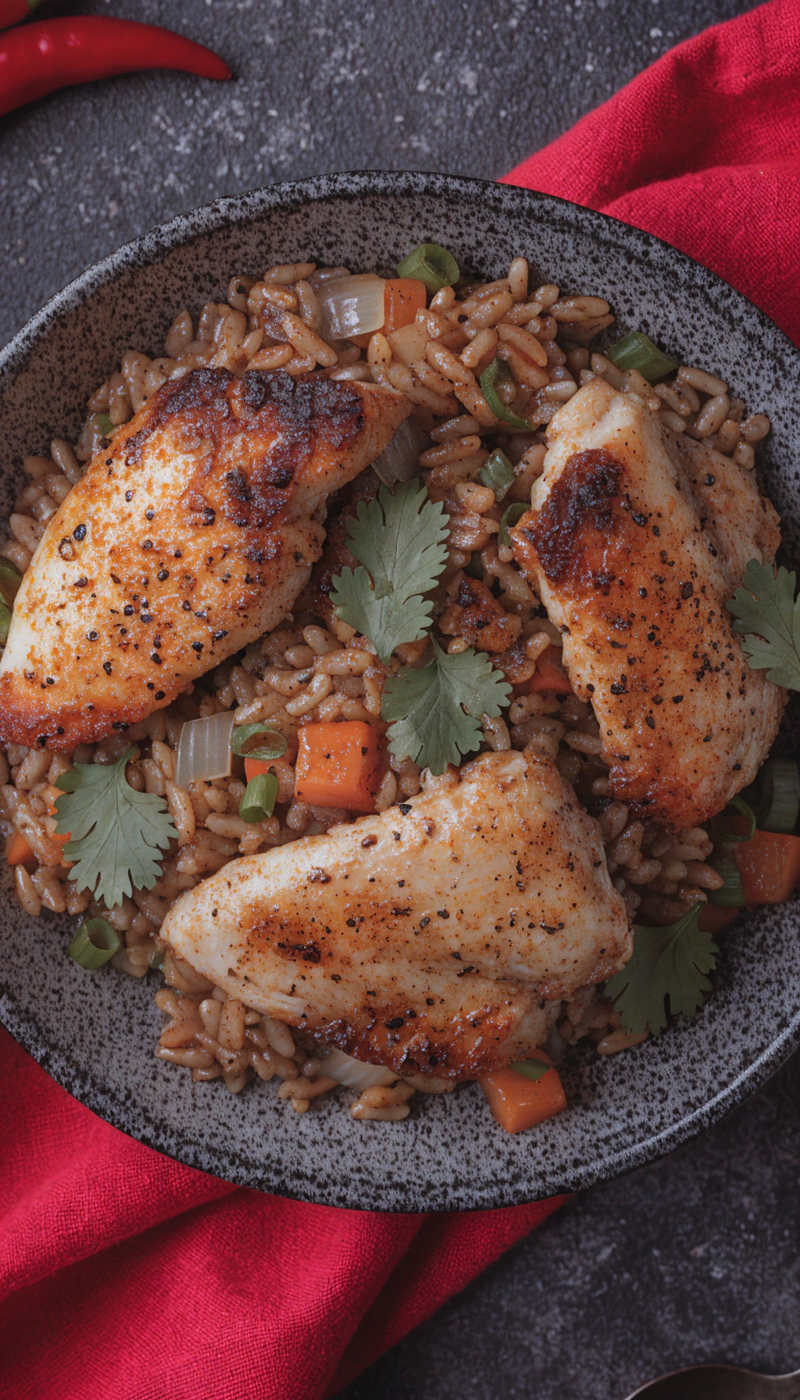
Best for: Complete meal in one pot
Ingredients:
- 4 chicken breasts
- 2 cups brown rice
- 4 cups chicken broth
- 3 carrots (diced)
- 2 cups broccoli florets
- 1 onion (diced)
- 2 teaspoons garlic powder
- Salt and pepper
How to make it:
- Put chicken, rice, carrots, onion in slow cooker
- Pour broth over everything
- Season with garlic powder, salt, pepper
- Cook on low for 5 hours
- Add broccoli last 30 minutes
- Shred chicken and stir
Why it works: Brown rice has way more fiber than white. Vegetables add even more.
Fiber per serving: About 8 grams
My experience: This is my Sunday meal prep staple. Makes enough for the week.
Serves: 6–8 people
11. Vegetarian Chili (High-Fiber)
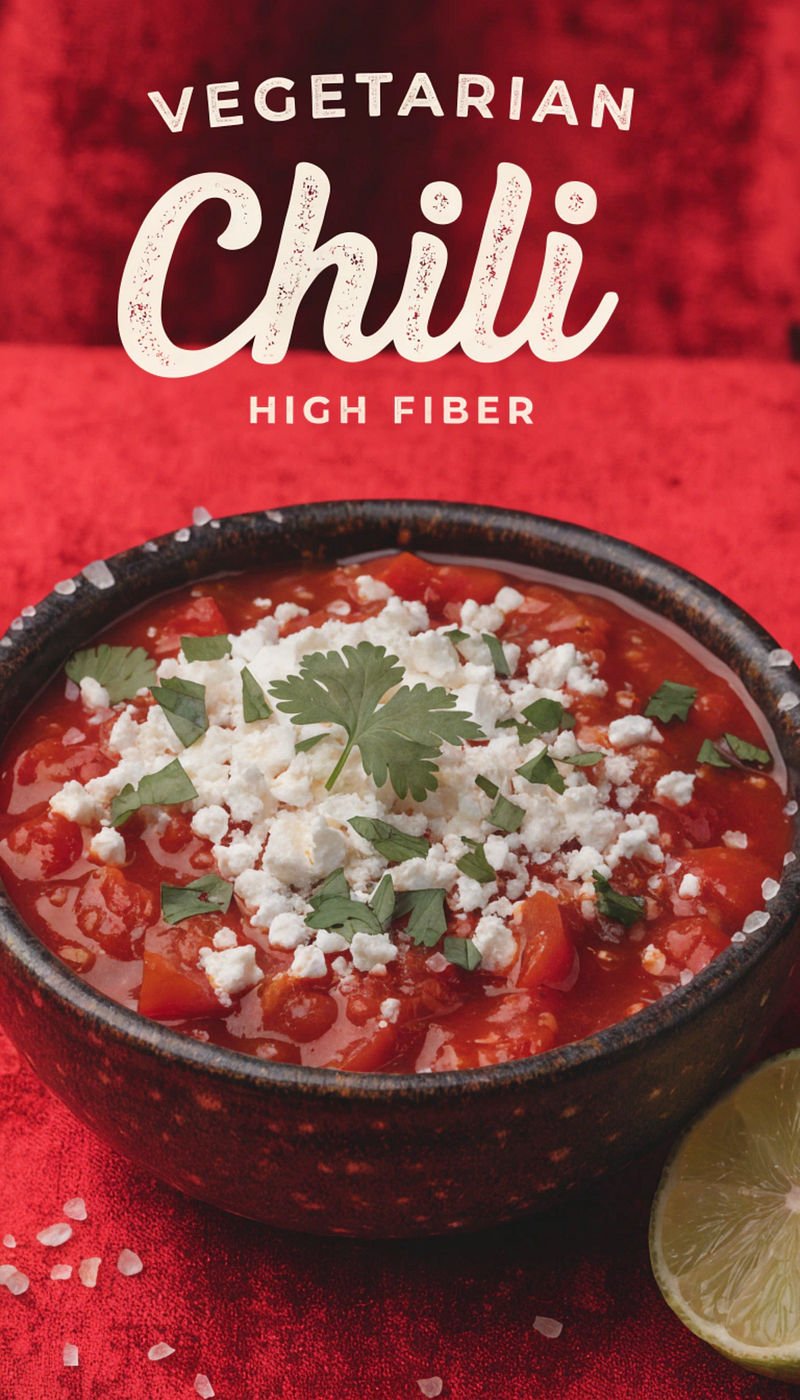
Best for: Meatless Monday or vegetarian option
Ingredients:
- 2 cans kidney beans
- 2 cans black beans
- 1 can chickpeas
- 2 cans diced tomatoes
- 1 onion (diced)
- 2 bell peppers (diced)
- 3 tablespoons chili powder
- 1 tablespoon cumin
- Salt and pepper
How to make it:
- Drain and rinse all beans
- Put everything in slow cooker
- Stir well
- Cook on low for 6–8 hours
Why it works: Three different beans = fiber overload in the best way.
Fiber per serving: About 18 grams
Pro tip: This is even better the next day. Flavors blend overnight.
Serves: 8 people
12. Chicken and Sweet Potato Curry

Best for: Something different with lots of flavor
Ingredients:
- 4 chicken thighs (skinless)
- 2 large sweet potatoes (peeled, cubed)
- 1 can coconut milk
- 1 onion (diced)
- 2 cups chicken broth
- 2 tablespoons curry powder
- 1 teaspoon ginger
- Salt to taste
How to make it:
- Put chicken and sweet potatoes in slow cooker
- Mix coconut milk, broth, curry powder, ginger
- Pour over chicken and potatoes
- Add onion
- Cook on low for 6 hours
- Shred chicken if desired
Why it works: Sweet potatoes are high-fiber. Curry makes it taste amazing.
Fiber per serving: About 7 grams
Serving idea: Serve over brown rice.
Serves: 4–6 people
13. Beef and Barley Soup
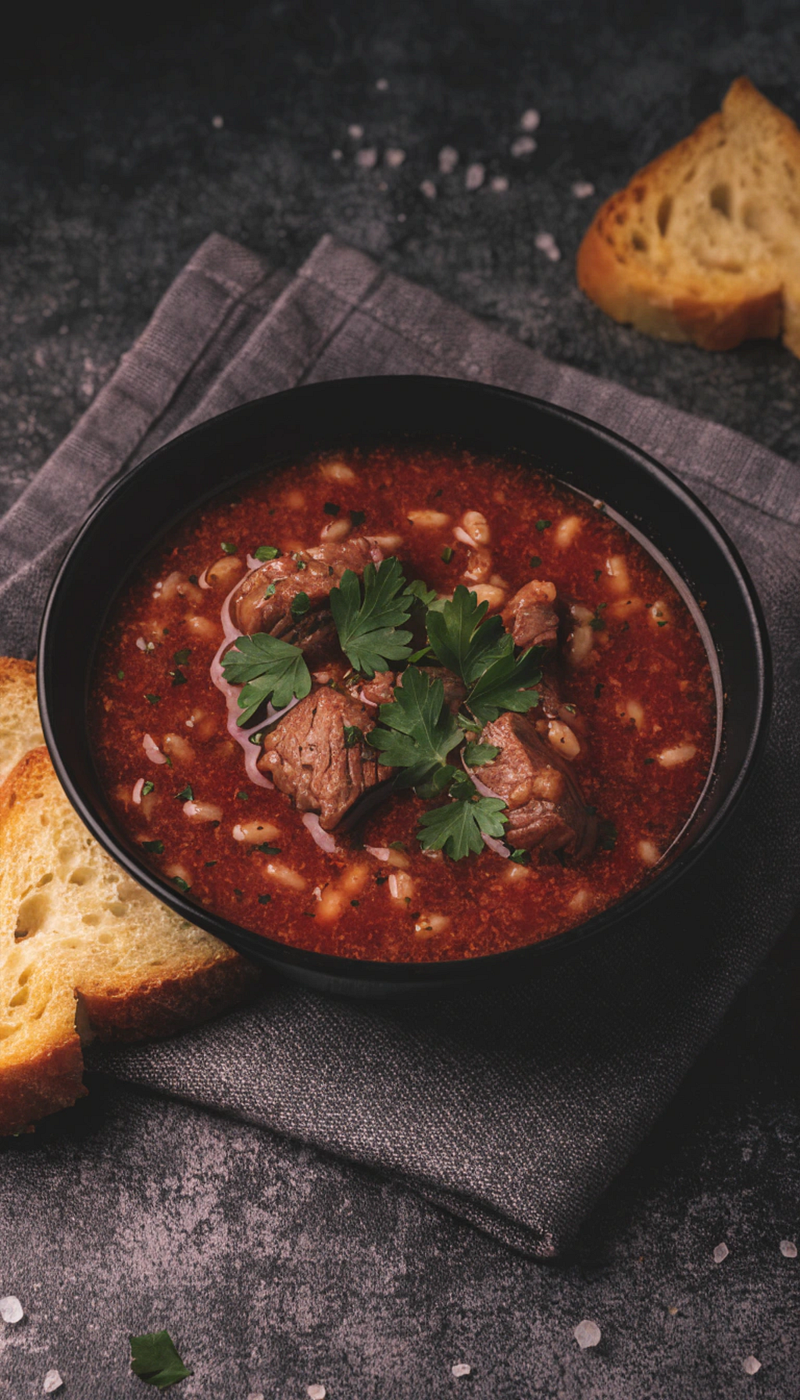
Best for: Comfort food that’s actually healthy
Ingredients:
- 1 pound beef stew meat (small pieces)
- 1 cup pearl barley
- 4 carrots (diced)
- 2 celery stalks (diced)
- 1 onion (diced)
- 6 cups beef broth
- 2 bay leaves
- Salt and pepper
How to make it:
- Put everything in slow cooker
- Stir well
- Cook on low for 8 hours
- Remove bay leaves before serving
Why it works: Barley is a high-fiber grain. Long cooking makes beef very tender.
Fiber per serving: About 9 grams
Important: Only eat this occasionally. Too much red meat can trigger issues.
Serves: 6–8 people
14. Minestrone Soup
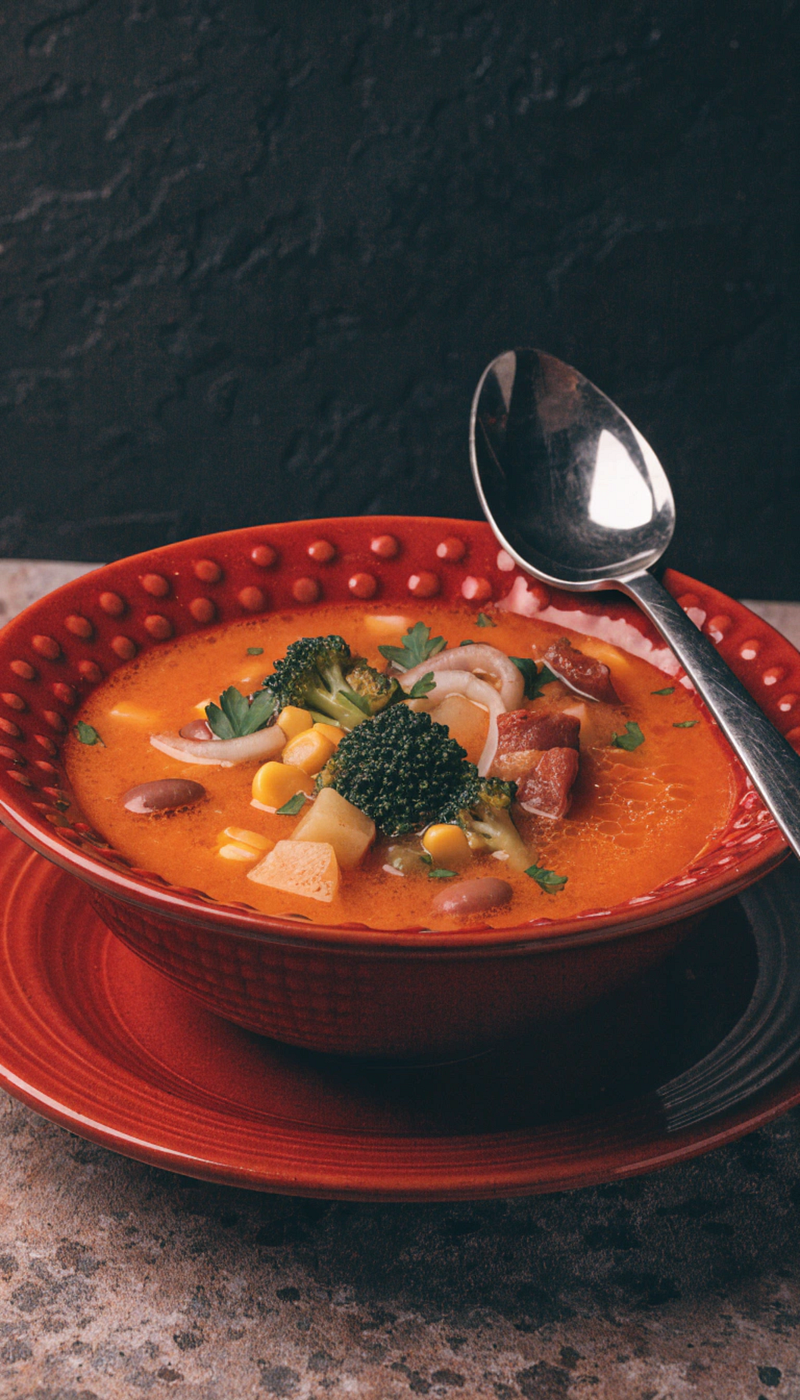
Best for: Vegetable-packed, high-fiber meal
Ingredients:
- 1 can kidney beans
- 1 can white beans
- 3 carrots (diced)
- 2 celery stalks (diced)
- 1 zucchini (diced)
- 1 can diced tomatoes
- 6 cups vegetable broth
- 1 cup small pasta (whole wheat)
- 2 teaspoons Italian seasoning
- Salt and pepper
How to make it:
- Put everything except pasta in slow cooker
- Cook on low for 6 hours
- Add pasta last 30 minutes
- Pasta cooks right in the soup
Why it works: Beans, vegetables, and whole wheat pasta = fiber triple threat.
Fiber per serving: About 12 grams
My memory: My grandma used to make this. Now I make it her way but easier.
Serves: 8 people
15. Pork Tenderloin with Apples and Sweet Potatoes
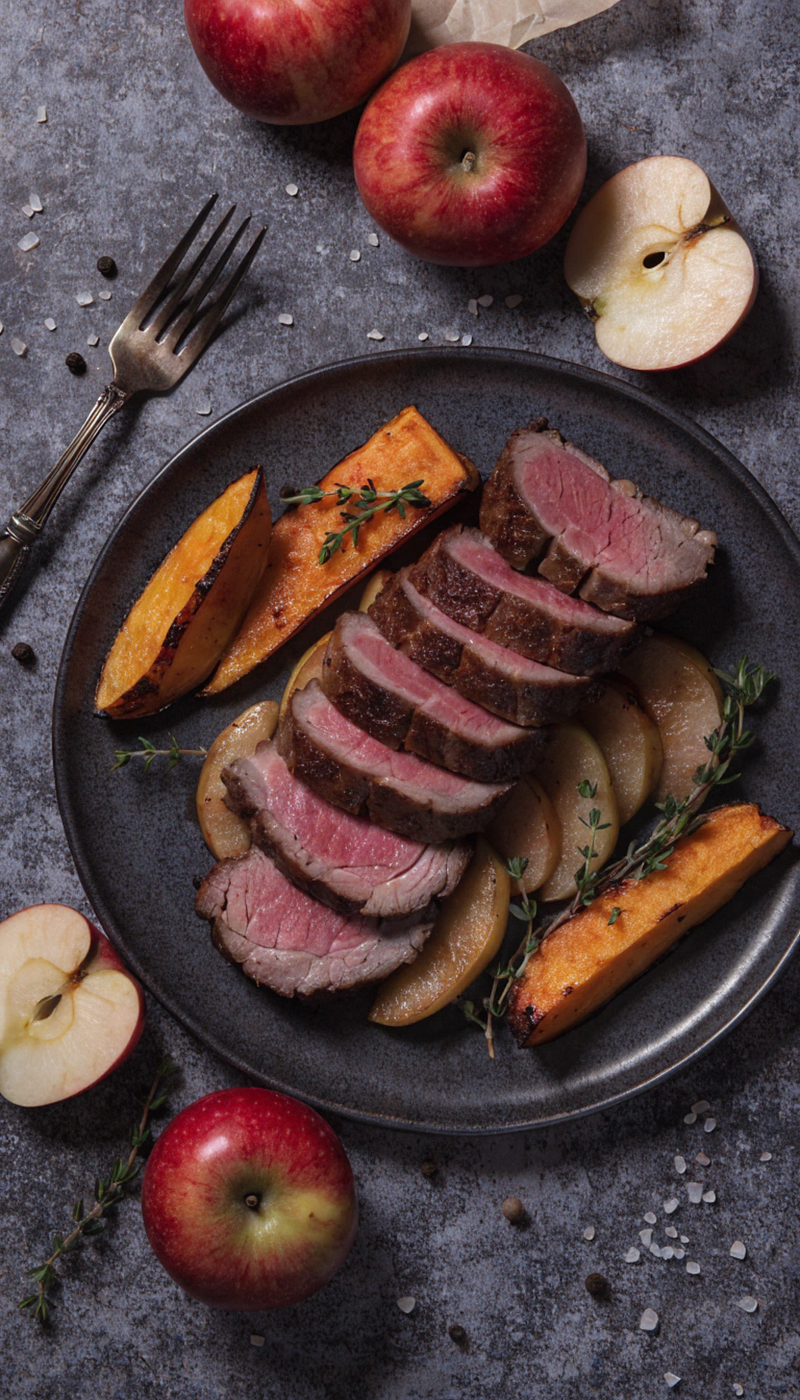
Best for: Fall/winter comfort meal
Ingredients:
- 1 pork tenderloin (about 1.5 pounds)
- 2 sweet potatoes (peeled, cubed)
- 2 apples (cored, sliced)
- 1 onion (sliced)
- 1 cup apple cider or broth
- 1 teaspoon cinnamon
- 1 teaspoon sage
- Salt and pepper
How to make it:
- Put sweet potatoes and onions in bottom of slow cooker
- Place pork tenderloin on top
- Arrange apple slices around it
- Pour cider over everything
- Sprinkle with cinnamon and sage
- Cook on low for 6–7 hours
Why it works: Sweet potatoes and apples both high-fiber. Pork stays tender.
Fiber per serving: About 6 grams
My tip: The apples and sweet potatoes get caramelized. So good.
Serves: 4–6 people
My Slow Cooker Tips After 50+ Meals
Tip 1: Layer smart. Put vegetables on the bottom (they cook slower). Meat on top.
Tip 2: Don’t overfill. Only fill 2/3 full. Needs room for steam.
Tip 3: Trim all fat from meat. Fat can trigger digestive issues.
Tip 4: Add delicate vegetables (like spinach or zucchini) in the last 30 minutes. They get mushy otherwise.
Tip 5: Use liners for easy cleanup. Life-changing.
Tip 6: Cold ingredients take longer. If using frozen chicken, add 1–2 hours.
My Weekly Slow Cooker Routine
I cook something in my slow cooker 3–4 times per week.
Sunday: Make big batch (usually lentil soup or chili). Freeze portions.
Tuesday: Another big batch (usually chicken-based). Lunches all week.
Thursday: Quick recipe with whatever vegetables I have.
This keeps me eating high-fiber meals without spending hours cooking.
What I Learned About Slow Cooking and Digestion
Discovery 1: Food that’s cooked longer is easier to digest. The slow cooker breaks down everything.
Discovery 2: I digest beans way better when they’re slow-cooked. Less gas, less discomfort.
Discovery 3: Slow-cooked chicken is gentler on my stomach than grilled chicken. Don’t know why, but it’s true.
Discovery 4: Making soup in the slow cooker is easier than the stove. And it tastes better.
Freezing and Reheating Tips
Most of these recipes freeze great.
How I freeze:
- Let food cool completely
- Put in freezer containers or bags
- Label with name and date
- Freeze up to 3 months
How I reheat:
- Microwave: 3–4 minutes, stirring halfway
- Stove: Warm on low, add a little water or broth if needed
What freezes best:
- Soups and stews
- Chili
- Anything with beans
- Shredded chicken dishes
What doesn’t freeze well:
- Potatoes get mushy
- Rice can get weird
Shopping List Essentials
I always keep these in my pantry:
Proteins:
- Chicken breasts
- Ground turkey
- Beef stew meat (occasional)
Canned goods:
- Black beans
- White beans
- Kidney beans
- Chickpeas
- Diced tomatoes
- Chicken broth
- Beef broth
Vegetables (fresh or frozen):
- Carrots
- Celery
- Onions
- Bell peppers
- Sweet potatoes
Grains:
- Brown rice
- Quinoa
- Lentils (dried)
- Pearl barley
Seasonings:
- Italian seasoning
- Cumin
- Chili powder
- Garlic powder
- Salt and pepper
With these ingredients, I can make any of these recipes without a special store trip.
How Slow Cooking Changed My Life With Diverticulitis
Before slow cooking: I’d come home tired, order takeout, eat trigger foods, feel bad.
After discovering slow cooking: I come home to ready meals. Healthy meals. Food that keeps me feeling good.
The results:
- Flare-ups dropped from every 3 months to once a year
- Eating high-fiber became easy instead of hard
- I save money (no takeout)
- I eat healthier overall
Best part: I spend maybe 15 minutes of active cooking time. The slow cooker does everything else.
Start With These Three
If you’re new to slow cooking, start simple:
Recipe 1: Simple Chicken and Carrots (during flare-up)
Recipe 2: Chicken and White Bean Chili (after healing)
Recipe 3: Lentil and Vegetable Soup (maintenance)
These three taught me everything I needed to know.
Final Thoughts
I bought my slow cooker years ago. It sat in a cabinet unused.
Now I use it 3–4 times per week.
It’s the reason I eat high-fiber meals consistently. It’s the reason my flare-ups are rare.
During flare-ups, it makes gentle, easy-to-digest food.
After healing, it makes the high-fiber meals that keep me healthy.
All I do: Dump ingredients in the morning. Come home to dinner.
No standing at the stove. No complicated recipes. No excuses for not eating right.
These 15 recipes got me through the worst times and keep me healthy now.
Pick one and try it this week. Your slow cooker is probably sitting in a cabinet too.
Time to put it to work.