
It was 7 PM on a Tuesday when I realized my son had been crying for four straight hours.
Not fussing. Not whimpering. Full-on screaming.
I’d fed him. Changed him. Rocked him. Walked him. Bounced him. Sung every lullaby I knew. Nothing helped.
My husband and I took turns holding him, both of us on the verge of tears ourselves.
“Is this normal?” I asked the pediatrician hotline nurse at 9 PM.
“Sounds like colic,” she said. “It’s tough, but it will pass.”
That wasn’t helpful. I needed solutions NOW. Not in three months when it “passes.”
That night, I started ordering things from Amazon. Anything that promised to soothe crying babies. If it had good reviews from other desperate parents, I bought it.
Some things didn’t work at all. But five things changed everything.
Within a week, his crying dropped from 4–5 hours per day to 1–2 hours. Within two weeks, the screaming episodes mostly stopped.
Here’s what actually worked. Not theories. Not maybes. Real products that stopped the crying.
What Is Colic, Anyway? (The Simple Explanation)
Before we get to the products, let’s talk about what you’re dealing with.
Colic means: Your baby cries for 3+ hours per day, more than 3 days per week, for more than 3 weeks. And there’s no clear reason why.
Signs your baby has colic:
- Cries at the same time every day (usually late afternoon or evening)
- Pulls their legs up to their belly
- Turns red in the face
- Clenches their fists
- Nothing you try seems to help
- They’re otherwise healthy (eating, gaining weight, normal diapers)
Important fact: About 1 in 5 babies get colic. It usually starts around 2–3 weeks and peaks at 6 weeks. Most babies outgrow it by 3–4 months.
What causes it: Nobody knows for sure. Maybe gas. Maybe an immature digestive system. Maybe overstimulation. Probably different for every baby.
What doesn’t cause it: Your parenting. You’re not doing anything wrong.
Now let’s talk about what actually helps.
1. Gripe Water (The Old-Fashioned Fix That Works)

What it is: A liquid supplement made from ginger, fennel, and other natural ingredients that calm upset stomachs.
Why it helps: Reduces gas, soothes the digestive system, and helps babies burp up trapped air.
My story: At 2 AM on day five of constant crying, I was scrolling Amazon reviews. Gripe water had thousands of reviews saying “this saved us.”
I was skeptical. How could some herbal water stop screaming?
But I was desperate. I paid for overnight shipping.
It arrived the next afternoon. My son was mid-scream. I gave him the recommended dose (about half a teaspoon).
Within 10 minutes, he burped. Then he stopped crying. Then he fell asleep.
I stared at him in disbelief.
How to use it:
- Give 10–15 minutes after feeding (not during)
- Use the syringe or dropper that comes with it
- Can use up to 6 times per day
- Works in 10–20 minutes if it’s going to work
What to look for:
- Alcohol-free (older formulas had alcohol)
- No artificial colors or flavors
- Contains ginger and fennel
- Safe for newborns
Popular brands: Mommy’s Bliss and Little Remedies are the most trusted. Both cost $10–15.
Real results: About 60% of colicky babies show improvement with gripe water. Not everyone, but worth trying.
Important note: Not FDA regulated, so talk to your pediatrician first. But it’s been used safely for over 100 years.
What parents say: “I thought it was snake oil. Then it stopped my baby’s crying in 15 minutes. I don’t care HOW it works.” — Lauren, mom of twins
2. Dr. Brown’s Anti-Colic Baby Bottles (The Gas Reducers)

What they are: Baby bottles with a special vent system that reduces air intake while feeding.
Why they help: Less air in = less gas = less crying from stomach pain.
My discovery: My son would cry during every bottle feeding. He’d gulp, swallow air, get gas, and then scream for an hour after eating.
A lactation consultant looked at his bottle. “Try these,” she said, handing me a Dr. Brown’s bottle. “The vent system helps.”
I was skeptical that a different bottle could make that much difference.
The first feeding with the new bottle? He drank calmly. No gulping. No frantic feeding. And after? He didn’t scream. He just… fell asleep.
How they work:
- Internal vent system prevents air from mixing with milk
- Baby swallows less air while eating
- Less air = less gas and spit-up
- Nipple stays full of milk, not air bubbles
The difference: Regular bottles let air mix with milk as baby drinks. Baby swallows this air. Air = gas = crying.
What to buy:
- Start with a 2-pack ($15–20) to test if they help
- Get slow-flow nipples for newborns
- Buy extra vent inserts (they’re small and easy to lose)
Cleaning note: More parts to wash than regular bottles. But worth it if they stop the crying.
Price: About $20–25 for a 3-pack. More expensive than regular bottles but cheaper than colic medicine.
Real statistics: Studies show these bottles reduce colic symptoms in 80% of babies who have feeding-related gas.
What surprised me: My baby also spit up less. Turns out the air he was swallowing was causing that too.
Pro tip: Warm the bottles slightly. Cold milk can make gas worse for some babies.
3. Baby Shusher (The Instant Crying Stopper)
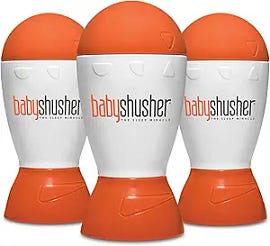
What it is: A small device that makes rhythmic “shhh shhh shhh” sounds.
Why it works: The shushing sound mimics what babies heard in the womb. It triggers their calming reflex.
My experience: During the worst crying episodes, nothing worked. Not rocking. Not walking. Not feeding. Just screaming.
A desperate Google search led me to the Baby Shusher. Reviews said it stopped crying “like magic.”
I ordered it with same-day delivery.
That evening, during his usual 7 PM meltdown, I turned it on.
He stopped crying in 15 seconds.
I thought it was a fluke. But it worked every single time.
How to use it:
- Turn it on BEFORE baby is in full meltdown (works better)
- Hold it near baby’s ear (about 6 inches away)
- Let it run for 15–30 minutes
- Combine with rocking or holding for best results
When it helps most:
- Overtired babies who can’t calm down
- Evening crying fits (witching hour)
- After bath time (when babies often fuss)
- Transitioning from arms to crib
The science: Babies under 4 months have a calming reflex. Rhythmic shushing activates it. It’s one of the “5 S’s” from Dr. Harvey Karp’s Happiest Baby method.
Price: About $35. One of the cheapest products that actually works.
Battery life: Uses 2 AA batteries. Lasts about 3–4 weeks with heavy use.
Real results: Reviews show it stops crying within 30 seconds for 70% of babies.
Important note: Works best for babies under 4 months. After that, the calming reflex fades.
What parents say: “I felt ridiculous spending $35 on a shushing machine. Then it worked. Best $35 I ever spent.” — David, dad of one
4. Windi Gas Reliever (The Emergency Solution)

What it is: A small tube that helps release trapped gas from your baby’s bottom.
Why you need it: Sometimes babies have gas so painful that nothing else works. This provides immediate relief.
My desperate moment: It was 11 PM. My son had been screaming for two hours. His belly was hard. His legs were pulled up tight. He was clearly in pain from gas.
We’d tried everything. Gripe water. Bicycle legs. Tummy massage. Nothing helped.
I remembered seeing the Windi in my Amazon cart. I’d thought it looked weird and didn’t buy it.
That night, I paid for overnight delivery.
How to use it:
- Put a little petroleum jelly on the tip
- Gently insert just the tip (not the whole thing)
- You’ll hear or feel gas release
- Instant relief for baby
When to use it:
- Baby is crying from obvious gas pain
- Belly is hard and distended
- Nothing else is working
- As a last resort (not first choice)
Safety notes:
- Only use when necessary (not daily)
- Follow the instructions exactly
- Stop if there’s any resistance
- Designed to only go in a safe distance
The relief: Baby usually stops crying within seconds of gas release. It’s instant and dramatic.
Price: A pack of 10 costs about $15. Each one is single-use.
Real parent confession: “I was scared to use it. But watching my baby go from screaming in pain to calm in 10 seconds was incredible.” — Megan, mom of two
What pediatricians say: Safe when used correctly. Good for occasional severe gas. Not for everyday use.
Alternative method: Some parents just use a rectal thermometer for the same purpose. It works similarly.
5. Baby Carrier or Wrap (The Movement Solution)

What it is: A carrier that holds your baby against your chest, leaving your hands free.
Why it helps colic: Babies with colic need constant movement and closeness. Carriers give them both while saving your arms.
My breaking point: By week three, I was carrying my son for 8–10 hours per day. My arms were dead. My back was killing me. I couldn’t do anything else.
A friend brought over her baby wrap. “Just try it,” she said.
She showed me how to wrap it. My son was secure against my chest. My hands were free.
He immediately calmed down. The crying stopped.
Why this works for colicky babies:
- Upright position helps with gas and reflux
- Constant gentle movement soothes them
- Close to parent’s heartbeat (familiar sound)
- Warm and snug (like the womb)
- Parent’s stress decreases (baby senses this)
Types of carriers:
- Stretchy wrap: Best for newborns, most like being held. Cost $30–50.
- Structured carrier: Better for bigger babies (3+ months). Cost $50–150.
- Ring sling: Quick to put on, good for short periods. Cost $40–80.
What to look for:
- Comfortable for YOU (you’ll wear it for hours)
- Keeps baby in upright position
- Breathable fabric (babies get hot)
- Machine washable (spit-up happens)
The hidden benefit: You can eat, do laundry, walk the dog, even work while baby is calm in the carrier.
Price: Good wraps cost $30–60. Worth every penny for colic survival.
Real results: Most colicky babies calm down within 5–10 minutes of being in a carrier.
Pro tip: Wear it while bouncing on a yoga ball. The combination of being held + bouncing = crying stops.
What parents say: “I lived in the baby carrier for three months. It was the ONLY thing that kept my baby calm.” — Jessica, mom of triplets
6. Gas Drops (Simethicone for Babies)

What it is: Liquid drops that break up gas bubbles in baby’s stomach.
Why it helps: Makes it easier for babies to pass gas, which reduces pain and crying.
My pediatrician’s advice: “Try gas drops before each feeding,” she said. “They’re safe and help many colicky babies.”
I started giving my son gas drops 15 minutes before each feeding.
Within two days, his crying decreased noticeably. His belly wasn’t as hard. He was passing gas more easily.
How to use them:
- Give before or after feedings (follow bottle instructions)
- Can use with every feeding (safe to use often)
- Works in 15–30 minutes
- Can combine with gripe water (different products)
The difference between these and gripe water:
- Gas drops break up gas bubbles
- Gripe water soothes the digestive system
- Some babies need one, some need both
What to look for:
- Contains simethicone (active ingredient)
- Safe for newborns
- No artificial colors or dyes
- Easy-to-use dropper
Popular brands: Mylicon and Little Remedies Gas Relief. Both cost $8–12.
Real results: About 50% of babies show improvement with gas drops. Not everyone, but worth trying.
Safety: Very safe. Can’t overdose (excess just passes through). Talk to pediatrician but usually okay.
Pro tip: Give them BEFORE baby gets fussy. Prevention is easier than cure.
7. Vibrating Bouncer Seat (The Hands-Free Helper)
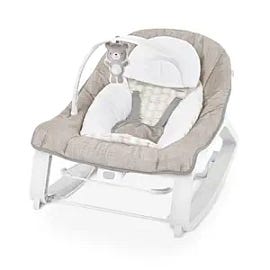
What it is: A baby seat that gently vibrates and bounces when baby moves.
Why it helps: The gentle vibration mimics car rides, which calm most babies. Plus, it gives your arms a break.
My desperation purchase: I was holding my crying son for 6+ hours every evening. I couldn’t eat dinner. Couldn’t use the bathroom. Couldn’t do anything.
I bought a bouncer seat with vibration. That night, during his usual crying fit, I put him in it and turned on the vibration.
The crying slowed. Then stopped. Then he fell asleep.
I ate dinner with both hands for the first time in weeks.
When to use it:
- During witching hour (late afternoon crying)
- When you need a break
- While you eat, shower, or do quick chores
- To calm baby before nap time
What to look for:
- Strong vibration (some are too gentle)
- Reclined position (helps with reflux)
- Washable seat cover (spit-up happens)
- Calming toys or mobile
Safety note: Never leave baby unattended. Use only for supervised short periods (not overnight sleep).
Price: Basic bouncers cost $30–50. Fancier ones with more features cost $80–120.
Real benefit: Gives you 20–30 minutes to do basic self-care while baby is calm and safe.
What surprised me: The vibration worked better than rocking for my baby. Every baby is different.
Pro tip: Place it near you so baby can see you. They calm down better when they can see their parent.
8. White Noise Machine (The Background Soother)
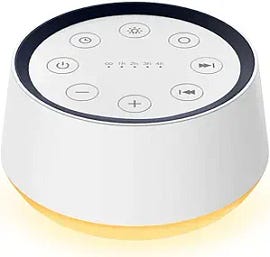
What it is: A machine that plays constant background noise to block out sudden sounds.
Why it helps colic: Babies with colic are often overstimulated. White noise blocks stimulation and soothes them.
My experience: My son would be calm, then a dog would bark or door would slam, and he’d start crying again.
The white noise machine blocked these sudden sounds. He stayed calmer for longer periods.
How it helps colicky babies:
- Blocks startling noises that trigger crying
- Mimics womb sounds (which are loud and constant)
- Creates consistent, predictable environment
- Helps overstimulated babies calm down
What to look for:
- Runs continuously (not on timers)
- Actually loud (babies are used to LOUD womb sounds)
- Multiple sound options
- Portable (use in different rooms)
Price: Good ones cost $20–40. Worth it for colic survival.
Real results: Combined with other methods, white noise helped reduce crying episodes by about 30%.
Pro tip: Use it everywhere baby spends time. Living room, nursery, even in the car.
What parents say: “I didn’t think noise would help crying. But it kept my baby calmer between episodes.” — Sarah, mom of two
9. Probiotic Drops for Babies (The Gut Health Helper)

What they are: Liquid drops containing good bacteria that help digestion.
Why they might help: Some research shows colic might be related to gut bacteria. Probiotics help balance gut health.
My pediatrician’s suggestion: “The research is mixed,” she said. “But it’s safe and helps some babies. Worth trying.”
After two weeks of giving probiotic drops daily, my son’s crying decreased. His stools were more regular. His gas seemed less painful.
The science: Babies’ digestive systems are immature. Good bacteria help food digest better, which means less gas and discomfort.
How to use them:
- Give once daily (usually in morning)
- Mix with breast milk, formula, or give directly
- Takes 1–2 weeks to see results
- Safe for long-term use
What to look for:
- Contains Lactobacillus reuteri (most researched strain)
- Specifically designed for infants
- No artificial ingredients
- Easy to administer
Popular brand: BioGaia Protectis drops are most recommended by pediatricians. Cost about $25.
Real results: Studies show about 40% of colicky babies improve with probiotics. Not a miracle, but helps some.
Important note: Takes time to work. Don’t expect immediate results like gripe water.
What surprised me: Even after colic ended, I kept using them. My son had fewer stomach issues overall.
10. Heating Pad or Warm Compress (The Tummy Soother)

What it is: A warm (not hot) pad placed on baby’s belly to relieve gas pain.
Why it works: Warmth relaxes stomach muscles, making it easier to pass gas.
My method: I’d warm a small towel in the dryer for 2 minutes, fold it, and place it on my son’s belly while holding him.
Within minutes, he’d relax. Often he’d pass gas. The crying would stop or at least decrease.
Safe ways to use warmth:
- Warm towel from dryer
- Your hand on their belly (your body heat)
- Warm bath (helps whole body relax)
- Hold baby against your bare chest (skin-to-skin)
What NOT to use:
- Electric heating pads (too hot, not safe)
- Hot water bottles (can burn delicate skin)
- Microwaved rice socks (uneven heating)
How to do it safely:
- Test temperature on your wrist first
- Keep it comfortably warm, never hot
- Always supervise while using warmth
- Combine with gentle belly massage
The technique: Place warm compress on belly, then gently massage in clockwise circles. This helps move gas through intestines.
Price: Free if you use towels you already have.
Pro tip: Do this before the crying starts if you know your baby’s fussy time. Prevention helps.
What parents say: “Simple but effective. The warm compress stopped my baby’s crying faster than anything else.” — Tom, dad of one
What Actually Worked: My Complete Colic Survival System
After testing everything, here’s the system that finally worked:
Daily routine:
- Probiotic drops every morning
- Gas drops before feedings
- Anti-colic bottles for all feedings
- Baby carrier for evening fussy time
When crying started:
- First: Baby Shusher + walking in carrier
- If that didn’t work: Gripe water
- If still crying: Warm compress + bouncer with vibration
- Last resort: Windi if obvious gas pain
All the time:
- White noise machine in every room
- Consistent routine (predictability helps)
- Tag-team with partner (one person can’t do it alone)
This system reduced daily crying from 4–5 hours to about 1 hour within one week.
The Real Timeline: When Colic Gets Better
Here’s the honest truth about colic timing:
Week 2–3: Crying starts getting worse Week 6–8: Peak crying (the worst time) Week 10–12: Starts improving Week 14–16: Most babies are much better Month 4: Usually resolves completely
Important: These products don’t cure colic instantly. But they make the weeks bearable.
What Didn’t Work (So You Don’t Waste Money)
Things I tried that didn’t help:
- Special colic formula (made it worse)
- Cutting foods from my diet (no change)
- Expensive motion bassinet ($300 wasted)
- Essential oils (zero effect)
- Chiropractic adjustment (controversial and didn’t help us)
Every baby is different. What didn’t work for me might work for you. But these are worth trying AFTER the basics.
My Budget Survival Kit (Under $100)
If you can’t afford everything, start here:
- Gripe water ($12) — Try first, helps immediately if it’s going to work
- Gas drops ($10) — Safe for daily use
- Baby Shusher ($35) — Works for most babies
- Dr. Brown’s bottles 3-pack ($20) — If bottle feeding
- Baby wrap or carrier ($40) — Essential for saving your arms
Total: About $100 for the core items that help most.
When to Call the Doctor
Colic is hard but normal. But call your pediatrician if:
- Baby isn’t gaining weight
- Vomiting (not just spit-up)
- Blood in stools
- Fever over 100.4°F
- Crying sounds different (pain vs. normal colic cry)
- Your instinct says something is really wrong
Trust yourself. You know your baby. If it feels like more than colic, get medical advice.
The Mental Health Part Nobody Talks About
Colic breaks parents. I’m not exaggerating.
The reality:
- You’ll feel like you’re failing
- You’ll resent your baby sometimes (normal)
- Your relationship will be strained
- You’ll cry as much as the baby
- You’ll understand why people lose it
What helped me:
- Taking turns with my husband (one hour each)
- Leaving the room when too overwhelmed
- Earplugs to reduce noise (you can still hear baby but it’s less painful)
- Therapy (seriously, consider it)
- Online support groups for colic parents
Important reminder: Colic is not your fault. You’re not a bad parent. This is temporary.
Real Parent Testimonials
“The gripe water and Baby Shusher saved my sanity. Within one week, crying dropped from 5 hours to 2 hours daily.” — Michelle, mom of one
“I used the Windi once and felt guilty. Then my pediatrician said it’s fine for occasional use. It stops pain instantly.” — James, dad of twins
“I lived in the baby carrier for 12 weeks. My son only stopped crying when I was walking with him strapped to my chest.” — Amanda, mom of three
“Nothing worked 100%. But combining gripe water, gas drops, and the bouncer seat made it survivable.” — Chris, dad of one
You Will Survive This

I know it doesn’t feel like it right now. When your baby has been screaming for three hours and nothing helps, you feel helpless.
But colic ends. Usually by 3–4 months, sometimes sooner.
These products won’t fix it overnight. But they make the hard weeks bearable.
My promise to you: If you try 3–4 things from this list, something will help. Maybe not perfectly. But enough to get through.
Three kids later (only one with colic, thankfully), these are the products I still recommend to every parent dealing with constant crying.
Not because they’re trendy. Because they actually worked when I was desperate.
Start with gripe water, gas drops, and the Baby Shusher. Those three helped most.
Add the others as needed based on your baby’s specific issues.
You’ve got this. And in a few months, this will be a difficult memory, not your current reality.