Luxury spending habits are evolving, especially among high-net-worth individuals and younger affluent buyers. Today’s wealthy consumers prioritize exclusivity, craftsmanship, cultural relevance, and long-term value rather than purely traditional status symbols. Based on current market trends, three luxury categories stand out for their strong demand, resale potential, and everyday usability.
1. Limited-Edition Luxury Sneakers: Fashion Assets With Resale Power

Market Overview
Limited-edition luxury sneakers have become one of the most valuable fashion investments for wealthy male shoppers. Alongside luxury watches, high-end sneakers are increasingly viewed as collectible assets rather than simple footwear. The global luxury footwear market is expected to reach $38–$41 billion by 2025, with premium casual sneakers leading the growth.
Luxury brands such as Louis Vuitton, Dior, Prada, and Gucci have successfully merged high fashion with streetwear culture, creating products that appeal strongly to Millennials and Gen Z luxury buyers.
Key Benefits of Luxury Sneakers
High Investment Potential
Certain collectible sneakers have resold for over $35,000, with some limited releases appreciating by up to 400% within months of launch.
Scarcity and Exclusivity
Limited production runs ensure rarity, which helps preserve resale value and demand over time.
Cultural and Social Status
Collaborations with celebrities, athletes, and designers instantly elevate sneakers into cultural icons and collectible fashion statements.
Comfort Meets Luxury
Wealthy consumers increasingly prefer luxury items that combine premium materials with everyday comfort and versatility.
High-Profile Brand Collaborations
Partnerships between luxury fashion houses and streetwear labels create some of the most sought-after footwear in the resale market.
2. Niche Beauty and Luxury Fragrances

Market Overview
The niche beauty and fragrance segment is experiencing rapid growth and is projected to achieve the fastest compound annual growth rate of 5.12% between 2025 and 2032. This growth is fueled by demand for authentic, artisanal, and personalized luxury products.
Affluent consumers are moving away from mass-market scents and toward boutique fragrance houses that emphasize craftsmanship and exclusivity.
Why Wealthy Buyers Choose Niche Fragrances
Personal Expression and Identity
Customized and niche perfumes allow wealthy consumers to create unique scent profiles that reflect individuality and refinement.
Accessible Luxury Purchases
Luxury beauty products offer a lower entry point into high-end markets while still delivering prestige and quality.
Artisanal Craftsmanship
High-end fragrances focus on rare ingredients, small-batch production, and traditional perfume-making techniques.
Sustainable and Ethical Innovation
Biotechnology and lab-created ingredients appeal to environmentally conscious luxury buyers seeking ethical alternatives.
Emotional Storytelling
Luxury fragrance brands build strong emotional connections through heritage, storytelling, and artistic inspiration.
Collectibility and Exclusivity
Limited-edition releases and exclusive formulations become valuable collectibles within luxury fragrance communities.
3. High-End Eyewear: Everyday Luxury With Style Impact
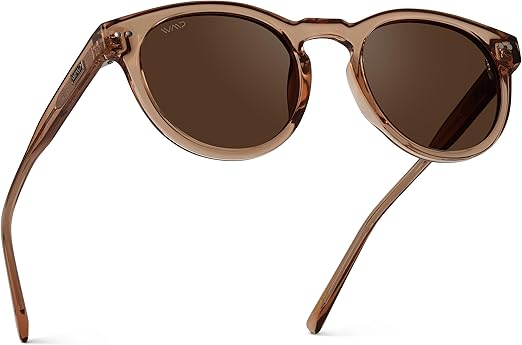
Market Overview
Luxury eyewear continues to gain momentum, with growth rates between 3% and 5% in 2024, making it one of the fastest-growing segments in the luxury fashion market. Consumers are increasingly drawn to bold design innovation and specialist eyewear brands.
Eyewear has evolved from a functional accessory into a core fashion statement.
Benefits of Investing in Luxury Eyewear
Design Innovation
Luxury brands are pushing creative boundaries with bold silhouettes, artistic detailing, and fashion-forward designs.
Daily Wear Value
Sunglasses and optical frames are worn every day, offering constant utility and long-term value.
Premium Materials
High-end eyewear uses superior materials such as titanium frames, premium acetate, and scratch-resistant lenses for durability.
Brand Differentiation
Specialist luxury eyewear brands help wearers stand out with distinctive designs not found in mass-market collections.
Celebrity and Designer Influence
Collaborations and celebrity endorsements continue to drive demand and cultural relevance.
Seasonless Versatility
Luxury eyewear works across seasons, outfits, and occasions, making it a practical yet stylish investment.
Why These Luxury Categories Appeal to Wealthy Consumers
Limited-edition sneakers, niche beauty products, and high-end eyewear share key characteristics that attract affluent buyers:
-
Practical daily use combined with strong resale and investment potential
-
High levels of personal expression and status signaling
-
Exceptional craftsmanship and established brand heritage
-
Scarcity and exclusivity that protect long-term value
-
Strong appeal to Millennials and Gen Z, who are reshaping modern luxury consumption
Final Insight
As luxury buying behavior shifts toward wearable investments and personalized prestige, these three categories continue to dominate high-end consumer spending. They reflect a modern approach to luxury—one that balances function, individuality, and financial intelligence.