I was three weeks into my new diet when I fell asleep at my desk.
Not dozed off. Actually fell asleep. Head on the keyboard. Drooling.
My coworker shook my shoulder. “You okay?”
I lifted my head. “I’m just tired. Been tired for weeks.”
“How’s your diet going?” she asked.
“Great. I’ve lost 8 pounds.”
Non Member Read From Here!!!
She looked at me. “You look exhausted.”
I was. I could barely keep my eyes open past 3 PM. My workouts felt impossible. I’d given up coffee because it “wasn’t healthy.” I was eating salads for lunch. Doing everything “right.”
And I felt like garbage.
That’s when I started researching why dieting makes people so tired. What I learned changed everything.
The problem wasn’t the diet itself. It was HOW I was dieting.
Here’s what’s actually making you exhausted and how to fix it.
The Real Reasons Dieting Drains Your Energy
Most people blame the wrong things. They think they’re just “adjusting” or need more willpower.
The truth? Your body is screaming that something is wrong.
Reason 1: You’re Not Eating Enough Calories

This is the biggest one.
You think: “Fewer calories = faster weight loss.”
Your body thinks: “We’re starving. Shut down everything non-essential.”
What actually happens:
- Your metabolism slows down
- Your body conserves energy
- You feel tired, cold, and foggy
- You move less without realizing it
- Weight loss stops even though you’re miserable
My mistake: I was eating 1200 calories per day. I’m a 6-foot tall man who exercises. I needed at least 2000 calories.
No wonder I was exhausted.
The science: A study published in the Journal of Clinical Endocrinology found that severe calorie restriction can drop your metabolic rate by 20–30%. Your body literally slows down to save energy.
How to fix it:
- Calculate your actual calorie needs
- Subtract only 300–500 calories for weight loss
- Never go below 1500 calories (men) or 1200 calories (women) without medical supervision
What changed for me: I increased to 1800 calories. Energy came back within three days. Still lost weight, just slower.
Reason 2: You Cut Out Carbs Too Drastically
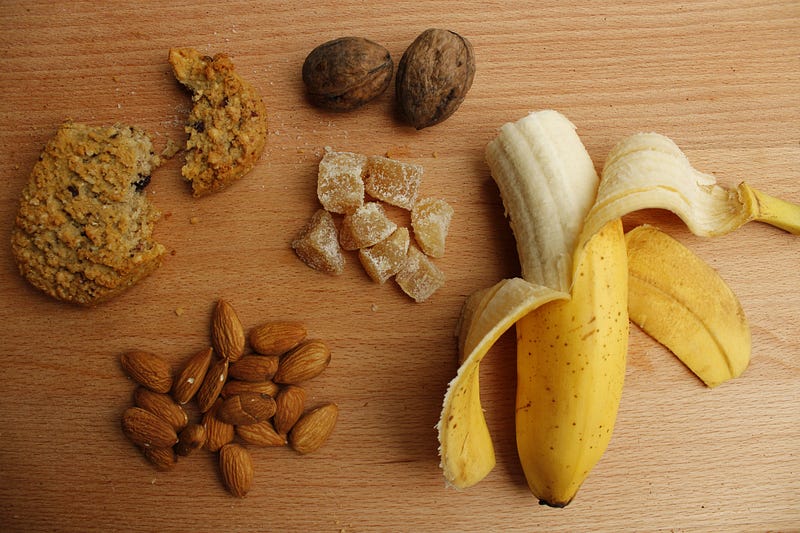
Carbs got a bad reputation. But your brain and muscles run on carbs.
What happens when you go too low:
- Brain fog (your brain is 60% dependent on glucose)
- Muscle weakness
- Constant fatigue
- Irritability
- Sugar cravings that make you miserable
My experience: I went from eating pasta, bread, and rice to basically zero carbs. I felt like a zombie.
The science: Your brain uses about 120 grams of glucose per day. That’s 480 calories just for your brain to function. Cut carbs too low and your brain literally doesn’t have fuel.
The truth about carbs:
- You need them for energy
- They’re not the enemy
- The TYPE of carb matters more than avoiding them entirely
How to fix it:
- Aim for 100–150 grams of carbs per day minimum
- Choose whole grains, fruits, vegetables
- Time carbs around your workouts for best results
What worked for me: I added back oatmeal for breakfast and brown rice with dinner. Energy returned. Workouts improved. Still lost weight.
Reason 3: You’re Not Getting Enough Protein

When you cut calories, your body needs MORE protein, not less.
Why protein matters during dieting:
- Preserves muscle mass
- Keeps you full longer
- Takes more energy to digest (boosts metabolism)
- Stabilizes blood sugar
- Prevents energy crashes
My mistake: I was eating maybe 50 grams of protein per day. Mostly from lettuce and tomatoes (which have almost no protein).
The science: Research shows you need 0.7–1 gram of protein per pound of body weight when dieting. For me at 180 pounds, that’s 126–180 grams per day.
I was getting less than half that.
Signs you’re not eating enough protein:
- Constantly hungry even after eating
- Losing muscle along with fat
- Tired and weak
- Hair falling out
- Nails breaking easily
How to fix it:
- Eat protein at every meal
- Aim for 20–30 grams per meal
- Include chicken, fish, eggs, Greek yogurt, beans, tofu
What changed: I started eating eggs for breakfast, chicken for lunch, fish for dinner. Added Greek yogurt as snacks. Energy skyrocketed.
Reason 4: You’re Deficient in Key Nutrients

When you cut calories, you’re also cutting nutrients. Unless you’re careful.
The nutrients most people lack when dieting:
Iron: Carries oxygen to your cells. Low iron = exhaustion.
- Found in: red meat, spinach, beans, fortified cereals
- Women especially need this
B Vitamins: Turn food into energy. Without them, you can’t make energy from your food.
- Found in: whole grains, eggs, leafy greens, meat
Magnesium: Involved in 300+ energy-producing reactions in your body.
- Found in: nuts, seeds, dark chocolate, whole grains, bananas
Vitamin D: Low levels linked to fatigue and depression.
- Found in: sunlight, fatty fish, fortified milk, supplements
My blood work: After two months of dieting, my doctor found I was low in iron and vitamin D. Explained everything.
How to fix it:
- Take a quality multivitamin while dieting
- Eat a variety of foods (not just salads)
- Consider getting blood work done
- Supplement specific deficiencies
Recommended: Nature Made Multi For Her or Multi For Him — covers basic nutritional needs while dieting.
Reason 5: You’re Not Drinking Enough Water

Dehydration makes you tired. Even mild dehydration (2% fluid loss) causes fatigue.
What happens when you’re dehydrated:
- Blood volume drops
- Your heart works harder
- Less oxygen reaches your brain and muscles
- You feel exhausted
The diet connection: When you cut carbs, you lose water weight first. That’s why you lose 5 pounds the first week. But you also lose the water you need.
My realization: I was drinking maybe 3 glasses of water per day. Not nearly enough.
How much you actually need:
- Basic formula: Your body weight in pounds ÷ 2 = ounces of water per day
- If you weigh 150 pounds, drink 75 ounces (about 9 cups)
- More if you exercise or it’s hot
How to fix it:
- Get a large water bottle and track intake
- Drink water before each meal
- If you’re tired, drink water first before reaching for coffee
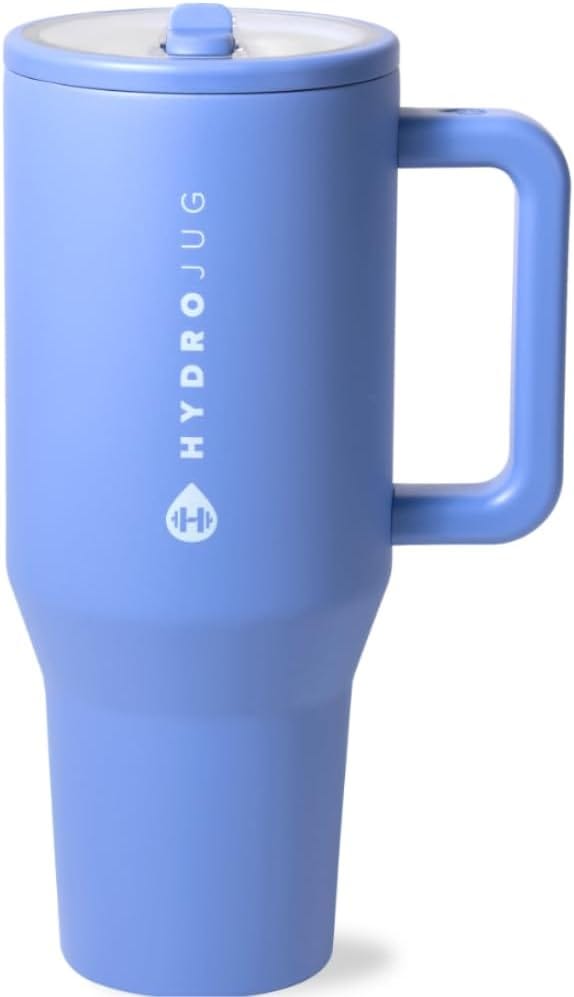
Recommended: HydroJug 73oz Water Bottle — holds enough water for most of the day, makes tracking easy, keeps water cold.
Reason 6: You Cut Out Coffee or Pre-Workout

Some people cut coffee because they think it’s “unhealthy” or interferes with their diet.
Big mistake if coffee was part of your routine.
What happens:
- Caffeine withdrawal causes severe fatigue
- Takes 7–10 days to adjust
- During dieting, when you’re already tired, this doubles the exhaustion
My experience: I quit coffee cold turkey when I started my diet. Thought I was being healthy. Instead, I got headaches and could barely function for a week.
The truth about caffeine:
- It’s not bad for you in moderate amounts
- Can actually help with workouts
- May slightly boost metabolism
- Helps with appetite control
How to fix it:
- If coffee helps you, keep drinking it
- Stick to 1–2 cups per day
- Skip the sugar and cream (or use minimal amounts)
- Time it before workouts for best effect
Alternative: If you want a pre-workout boost without regular coffee, consider a quality pre-workout supplement.
Recommended: Optimum Nutrition Amino Energy provides energy boost, has amino acids for muscle preservation, comes in great flavors, under 10 calories per serving.
Reason 7: You’re Overexercising

You think: “If I eat less AND exercise more, I’ll lose weight faster.”
Your body thinks: “This is unsustainable. Shutting down.”
The overexercise trap:
- You cut calories
- You add extra workouts
- You don’t eat enough to fuel the exercise
- Your body is in massive energy deficit
- You feel destroyed
My disaster: I was eating 1200 calories and working out 90 minutes per day. Every day. No rest.
After three weeks, I could barely lift my arms. Walking up stairs felt impossible.
The science: Your body needs energy for:
- Basic functions (heart, lungs, brain)
- Daily movement
- Exercise
- Recovery from exercise
- Digestion
When you don’t give it enough fuel, it can’t do all these things.
How to fix it:
- Exercise moderately while dieting
- 30–45 minutes, 4–5 times per week is plenty
- Take rest days seriously
- If you exercise more, eat more
- Focus on maintaining muscle, not destroying yourself
What worked: I cut back to 4 workouts per week, 45 minutes each. Felt better. Still lost weight.
Reason 8: You’re Not Sleeping Enough

When you diet, sleep becomes MORE important, not less.
Why sleep matters during weight loss:
- Your body repairs muscle during sleep
- Lack of sleep increases hunger hormones
- You make worse food decisions when tired
- Your metabolism slows down
The vicious cycle:
- Diet makes you tired
- You sleep poorly because you’re hungry
- Poor sleep makes you more tired
- You eat worse foods because you’re exhausted
- You feel terrible
My problem: I was so hungry at night that I couldn’t sleep well. I’d wake up at 3 AM thinking about food.
How to fix it:
- Save some calories for a small evening snack
- Eat protein before bed (helps with hunger)
- Keep bedroom cool and dark
- Aim for 7–9 hours
- Don’t diet if you’re already sleep-deprived
What helped me: I started eating Greek yogurt an hour before bed. Protein kept me full enough to sleep through the night.
The Signs Your Diet Is Too Extreme
Pay attention to these warning signs:
Physical signs:
- Tired all day, every day
- Can’t complete normal workouts
- Constantly cold
- Hair falling out
- Nails breaking
- Dizzy when standing up
Mental signs:
- Can’t concentrate
- Brain fog
- Irritable and moody
- Obsessing about food
- Can’t think about anything else
Social signs:
- Avoiding social events (food anxiety)
- Declining activities that involve eating
- Relationships suffering
If you have multiple signs, your diet is too extreme.
How I Fixed My Energy While Still Losing Weight
Here’s exactly what I changed:
Before (exhausted):
- 1200 calories per day
- Almost no carbs
- Minimal protein
- 90 minutes of exercise daily
- No rest days
- 3 glasses of water per day
- No coffee
After (energized):
- 1800 calories per day
- 150 grams of carbs (mostly whole grains)
- 140 grams of protein
- 45 minutes of exercise 4–5 times per week
- 2 rest days per week
- 10 glasses of water per day
- 1–2 cups of coffee
The results:
- Energy returned within one week
- Still lost weight (just slower — 1 pound per week instead of 2)
- Workouts improved
- Mood improved
- Sustainable long-term
Total weight lost: 35 pounds over 8 months. Still off. Still have energy.
My Daily Eating Schedule That Keeps Energy High

Breakfast (7 AM — 450 calories):
- 3 eggs
- 1 cup oatmeal with berries
- Coffee
Mid-morning snack (10 AM — 150 calories):
- Greek yogurt
Lunch (12:30 PM — 500 calories):
- Chicken breast (6 oz)
- Brown rice (1 cup)
- Mixed vegetables
- Olive oil drizzle
Pre-workout (3 PM — 100 calories):
- Banana
- Small scoop of pre-workout
Dinner (7 PM — 500 calories):
- Salmon or turkey
- Sweet potato
- Large salad
Evening (9 PM — 100 calories):
- Protein shake or Greek yogurt
Total: 1800 calories, 150g carbs, 140g protein, plenty of nutrients
Energy level: Consistent all day. No crashes.
The Supplements That Actually Helped
I’m not big on supplements. But these three made a noticeable difference:
1. Quality Multivitamin
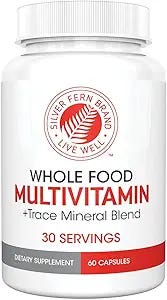
When dieting, you’re not eating as much food. A multivitamin fills nutritional gaps.
What it does:
- Provides B vitamins for energy production
- Covers iron, magnesium, vitamin D
- Ensures you’re not deficient
Recommended: Nature Made Multi For Him/Her ($12–15 on Amazon)
- USP verified (quality tested)
- Contains all essential nutrients
- One pill per day
- No weird additives
My experience: After two weeks of taking it daily, I noticed my energy was more stable. Not a huge boost, but noticeable.
2. Electrolyte Powder

When you cut carbs and calories, you lose electrolytes. This causes fatigue, headaches, and weakness.
What it does:
- Replaces sodium, potassium, magnesium
- Helps with hydration
- Prevents the “diet flu” feeling
Recommended: LMNT Electrolyte Drink Mix ($45 for 30 packets on Amazon, but also available in smaller quantities)
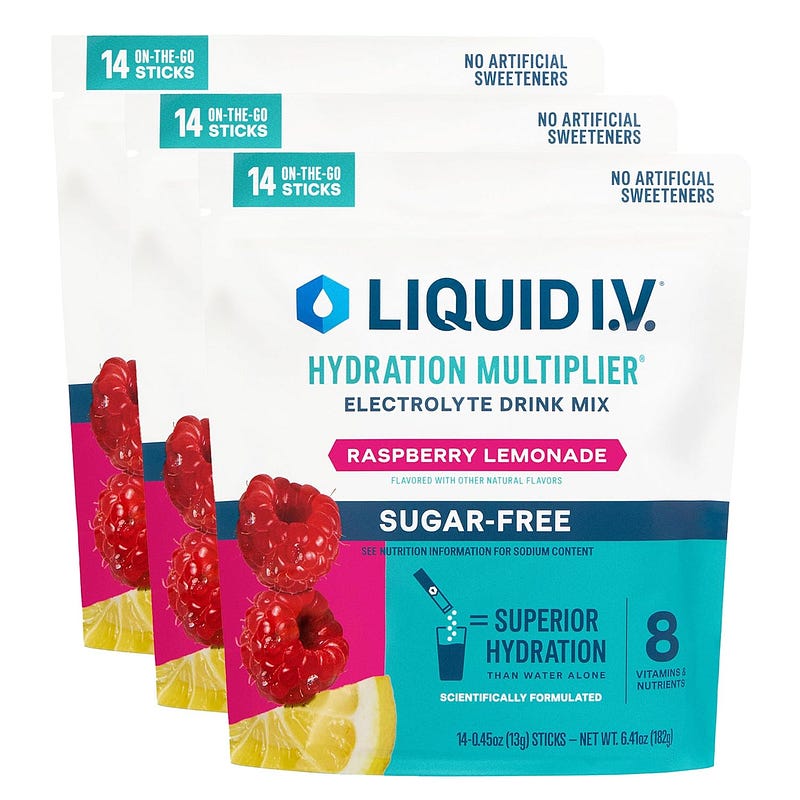
If that’s above budget, a good alternative: Liquid I.V. Hydration Multiplier ($25 for 16 packets on Amazon)
- Easy to mix in water
- Multiple flavors
- No sugar or low sugar options
- Helps with energy and hydration
My experience: Game changer on workout days. Prevented the afternoon energy crash.
3. Protein Powder

Makes hitting protein goals easy without extra cooking.
What it does:
- Convenient protein source
- Keeps you full
- Preserves muscle during weight loss
- Can use as meal replacement or snack
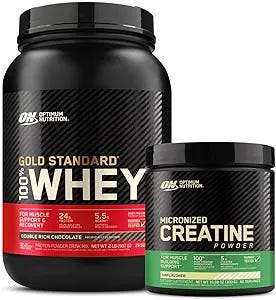
Recommended: Optimum Nutrition Gold Standard Whey ($30–35 for 2 pounds on Amazon)
- 24g protein per scoop
- Mixes easily
- Great flavors
- Trusted brand
My experience: Having a protein shake at 3 PM prevented the evening energy crash and kept me from overeating at dinner.
The 3-Day Energy Test
If you’re dieting and feeling tired, try this:
Day 1–3: Add 300 calories per day
- 100 calories from carbs (fruit or whole grains)
- 100 calories from protein (Greek yogurt or chicken)
- 100 calories from healthy fats (nuts or avocado)
Also:
- Drink 2 extra glasses of water
- Get 8 hours of sleep
After 3 days:
- If energy improves: Your diet was too extreme
- If no change: See a doctor (might be medical)
For me, energy returned within 2 days of increasing calories slightly.
When to See a Doctor
Sometimes fatigue isn’t about your diet. See a doctor if:
- Fatigue doesn’t improve after adjusting diet
- You’re losing hair rapidly
- You’re always cold
- You’re gaining weight despite eating less
- You have other symptoms (pain, digestive issues)
Could be thyroid issues, anemia, or other medical conditions.
I got blood work done. Found low iron and vitamin D. Fixed those, felt even better.
The Bottom Line
Dieting shouldn’t make you miserable and exhausted.
If you’re tired all the time, something is wrong.
The most common problems:
- Not eating enough calories
- Cutting carbs too low
- Not enough protein
- Missing key nutrients
- Dehydration
- Overexercising
- Poor sleep
The fixes are simple:
- Eat a bit more (300–500 calorie deficit, not 800)
- Include carbs (100–150g per day)
- Prioritize protein (0.7–1g per pound of body weight)
- Take a multivitamin
- Drink enough water
- Exercise moderately, not excessively
- Sleep 7–9 hours
My results after fixing these:
- Energy returned within one week
- Lost 35 pounds over 8 months (sustainable)
- Kept the weight off for 2 years now
- Still have energy to live my life
You can lose weight without being exhausted. You just need to do it right.
Stop punishing your body. Start fueling it properly.
The weight will come off. And you’ll actually feel good while it happens.
Essential Products That Helped My Journey
- HydroJug 73oz Water Bottle — Made drinking enough water automatic instead of a chore.
2. Liquid I.V. Hydration Multiplier — Prevented the afternoon energy crash, especially on workout days.
3. Optimum Nutrition Gold Standard Whey Protein ($30–35) — Made hitting protein goals easy without extra cooking and planning.
These three products, combined with smarter eating, transformed my dieting experience from miserable to manageable.
The total investment? Under $100. The return? Getting my life back while still losing weight.